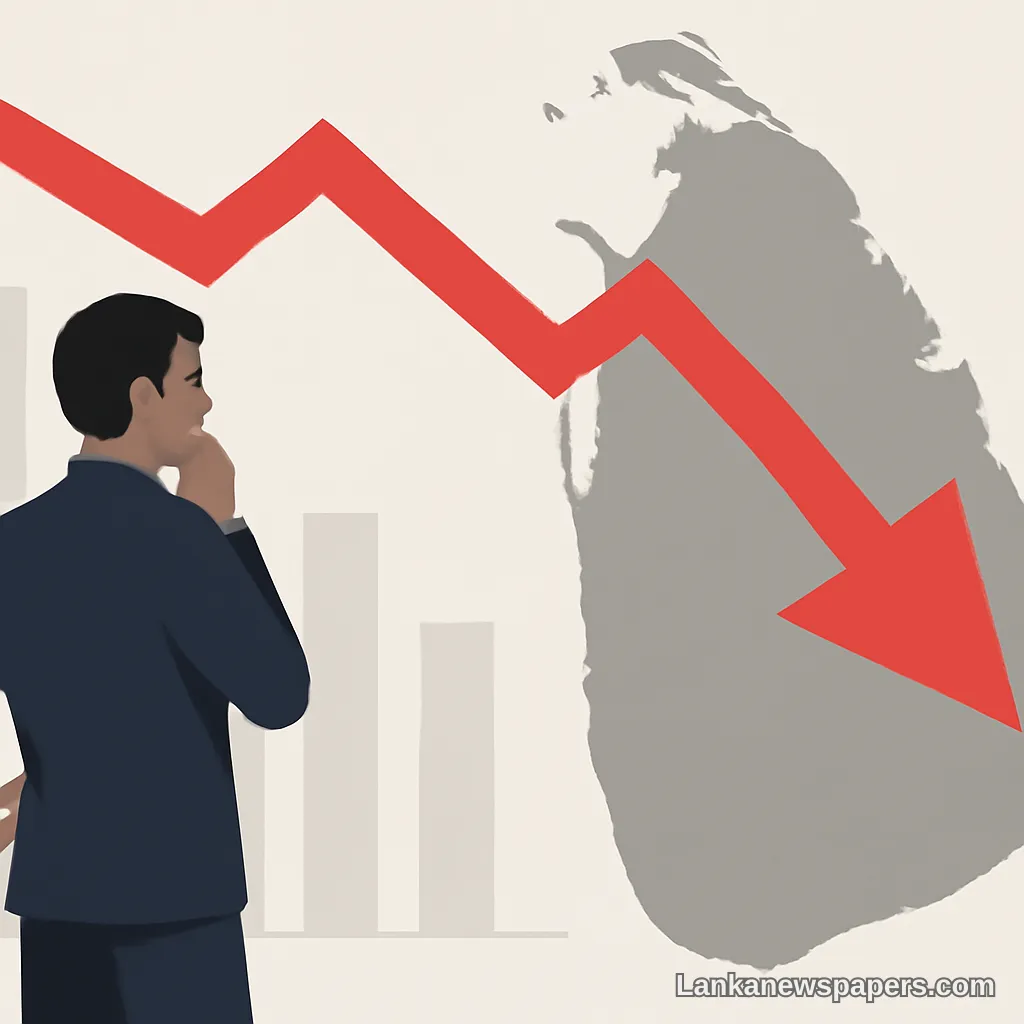
Sri Lanka's state-owned enterprises (SOEs) are facing a difficult financial outlook for 2025, with projections indicating that several key government-owned institutions are set to record losses during the year, raising fresh concerns about the country's ongoing economic recovery efforts.
A Persistent Challenge for the Economy
State-owned enterprises have long been a source of fiscal pressure for the Sri Lankan government, with chronic inefficiencies, mounting debt, and operational shortcomings contributing to recurring financial deficits across multiple entities. The projected losses in 2025 signal that despite reform efforts undertaken as part of the country's International Monetary Fund (IMF) programme, significant challenges remain in turning around these institutions.
The underperformance of SOEs has historically placed a heavy burden on state finances, often requiring government bailouts that strain public resources and complicate Sri Lanka's broader debt management strategy.
Reform Pressure Intensifies
Authorities have been under increasing pressure from international creditors and economic advisors to restructure or privatise underperforming state entities as a condition of continued financial assistance. The SOE reform agenda forms a critical pillar of Sri Lanka's economic stabilisation programme, and continued losses could jeopardise progress made in restoring fiscal discipline.
- Several major SOEs continue to operate without achieving financial sustainability
- Government subsidies and transfers to loss-making entities remain a concern
- Structural reforms have been slow to produce tangible financial improvements
Implications for Recovery
Sri Lanka has been navigating one of its worst economic crises in recent memory, and the health of state-owned enterprises plays a direct role in the government's ability to meet fiscal targets. Persistent SOE losses could undermine efforts to reduce the fiscal deficit and restore investor confidence in the island nation's economy.
Reforming state-owned enterprises remains one of the most complex and politically sensitive tasks facing the Sri Lankan government as it works to rebuild economic stability.
Economists and policy analysts are urging the government to accelerate structural reforms, improve corporate governance within SOEs, and explore viable options including public-private partnerships to reduce the financial drain these institutions place on the national budget.
As 2025 progresses, the performance of state-owned enterprises will remain under close scrutiny from both domestic stakeholders and international financial institutions monitoring Sri Lanka's economic trajectory.


💬 Join the Discussion 0
Be the first to share your view on this story.