Middle East Conflict Pushes 6.1 Million More Into Hunger in Somalia, Sri Lanka and Afghanistan, Warns WFP
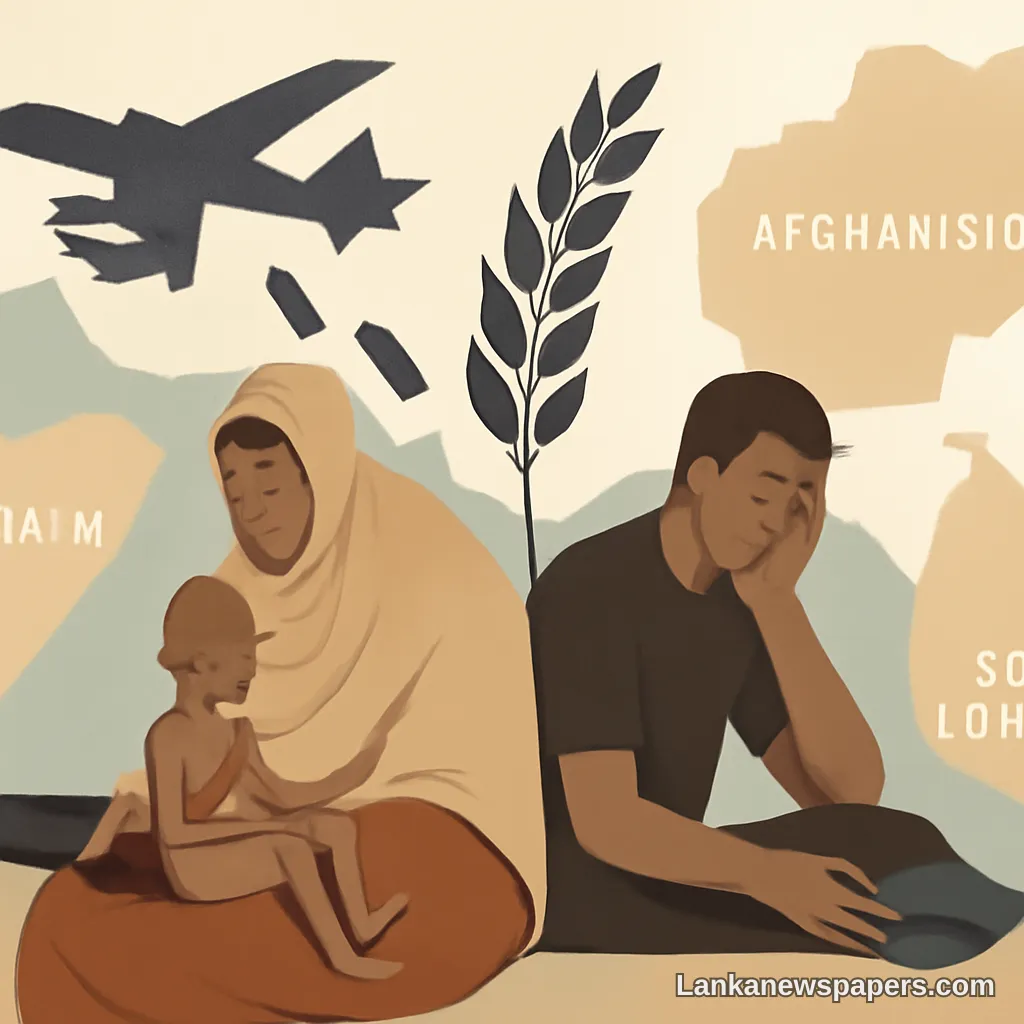
The ongoing crisis in the Middle East is sending devastating economic shockwaves far beyond the region, with the World Food Programme (WFP) warning that an additional 6.1 million people across Somalia, Sri Lanka, and Afghanistan have been pushed into hunger as a direct consequence.
A Ripple Effect Felt Across Vulnerable Nations
According to the WFP, the conflict in the Middle East has triggered a cascade of economic pressures — including rising fuel prices, disrupted trade routes, and reduced remittances — that are hitting some of the world's most food-insecure populations hardest. Sri Lanka, still recovering from its worst economic crisis in decades, is among the three nations specifically identified as bearing a significant share of this growing burden.
The agency's findings underscore how geopolitical instability in one part of the world can rapidly translate into food insecurity in entirely separate regions, particularly in countries where household incomes remain fragile and food systems lack resilience.
Sri Lanka's Vulnerability Highlighted
For Sri Lanka, the warning arrives at a particularly sensitive time. The island nation has been working to stabilise its economy following the 2022 financial collapse, but millions of citizens remain vulnerable to external shocks. Rising import costs linked to global fuel and commodity price increases — themselves inflamed by the Middle East conflict — are straining household food budgets across the country.
Food prices in local markets have remained elevated, and the purchasing power of lower-income families continues to be eroded. The WFP's assessment suggests that progress made in reducing hunger since the peak of the economic crisis could be at risk of being reversed.
A Collective Crisis Demanding Global Attention
Somalia and Afghanistan, the other two nations named in the WFP report, are already among the most severely food-insecure countries in the world. The addition of 6.1 million newly hunger-affected people across all three nations represents a stark reminder of how interconnected global systems have become.
The WFP has called on the international community to scale up humanitarian funding and support to address the growing shortfall in food assistance. The agency warned that without urgent intervention, the situation across these nations could deteriorate further in the coming months.
The conflict in the Middle East is not a distant crisis — its consequences are being felt on the plates of families in Colombo, Kabul and Mogadishu alike.
Aid organisations operating in Sri Lanka are expected to reassess their resource allocations in light of the WFP's findings, as pressure mounts on both local authorities and international partners to prevent a worsening of food insecurity across the country.



💬 Join the Discussion 0
Be the first to share your view on this story.