WHO Chief Warns Ebola Outbreak Had Dangerous Head-Start, Raising Global Alarm
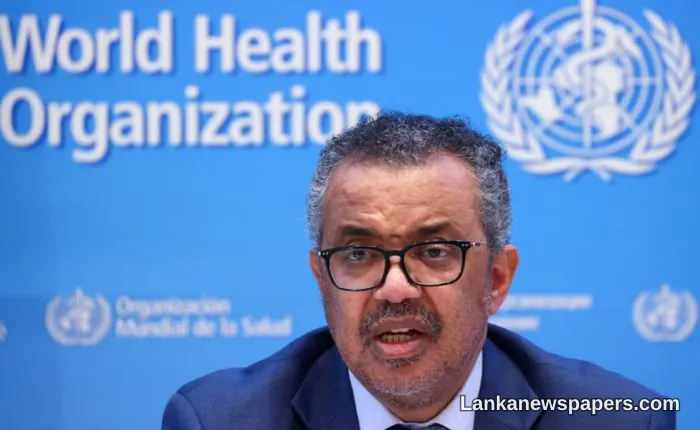
The head of the World Health Organization has sounded a stark warning over the latest Ebola outbreak, cautioning that the deadly virus had gained a significant advantage before health authorities were able to mount a coordinated response.
Speaking at a press conference in Geneva on Wednesday, WHO Director-General Tedros Adhanom Ghebreyesus said the Ebola virus had been given what he described as a "big head-start," a phrase that underscored the urgency with which global health officials are now treating the situation.
A Race Against a Deadly Virus
The warning from Dr. Tedros signals growing concern within the international health community that delays in detection and reporting may have allowed the virus to spread further than it otherwise would have. Ebola is known for its high fatality rate and its ability to overwhelm health systems when outbreaks are not contained swiftly.
Public health experts have long stressed that early identification and rapid containment are critical in limiting the spread of Ebola, which transmits through direct contact with the bodily fluids of infected individuals.
What This Means for Global Health Preparedness
The remarks from the WHO chief serve as a reminder of the persistent vulnerabilities in global disease surveillance systems, particularly in regions where healthcare infrastructure remains fragile. When an outbreak gains momentum before responders can act, the consequences can be devastating both locally and internationally.
- Ebola is caused by the Ebola virus and belongs to the family Filoviridae
- The disease can kill up to 90 percent of those infected if left untreated
- Vaccines and treatments now exist but must be deployed rapidly to be effective
- Past outbreaks, including the 2014–2016 West Africa crisis, have demonstrated the catastrophic cost of delayed responses
For Sri Lanka, while the direct risk of an Ebola outbreak remains low given its geographic distance from the affected region, health authorities and the travelling public are advised to remain informed and vigilant, particularly those involved in international travel or humanitarian work in affected areas.
The WHO Director-General's warning is a call to action not just for the countries directly affected, but for the entire international community to remain alert and ready to respond.
The WHO has indicated it is working closely with national health authorities and partner organisations to scale up surveillance, contact tracing, and logistical support in the affected region. Further updates are expected as the situation develops.


💬 Join the Discussion 0
Be the first to share your view on this story.