Sri Lanka Intensifies Island-Wide Dengue Crackdown as Death Toll Continues to Rise
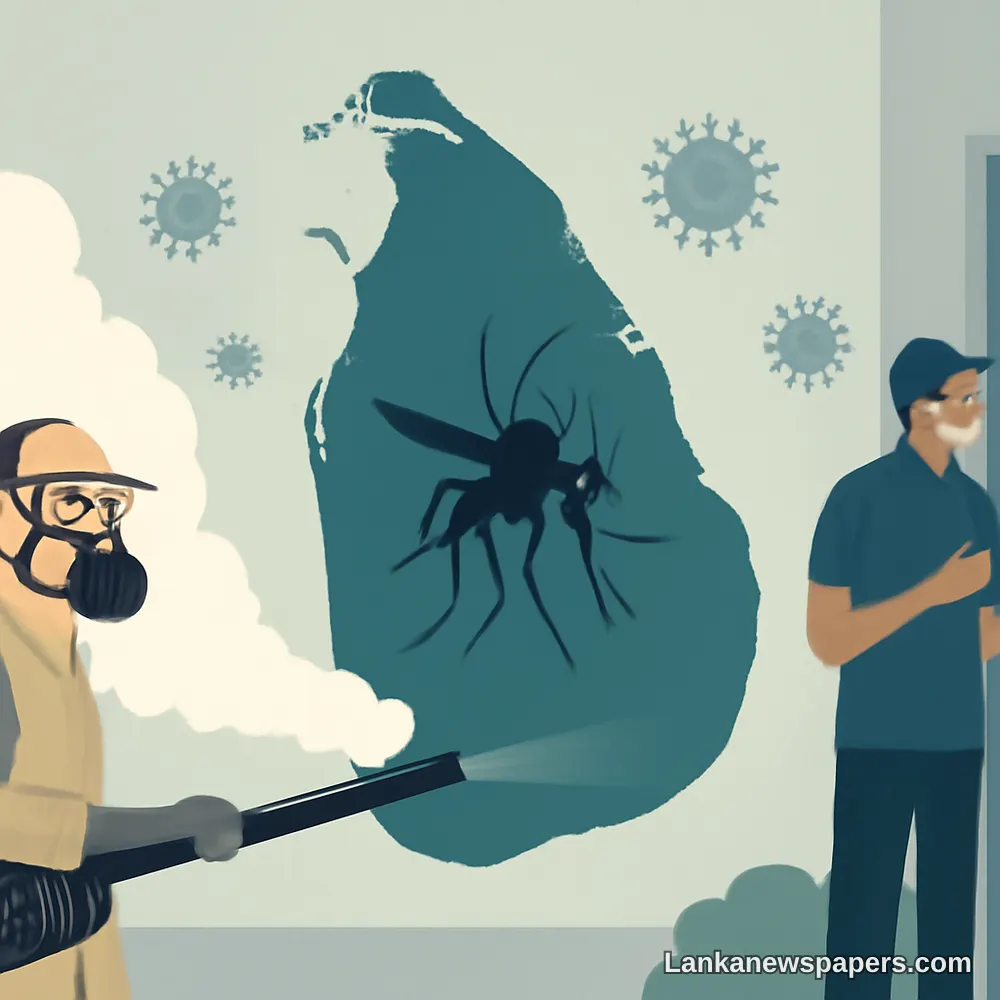
Authorities Scale Up Response as Dengue Claims More Lives
Sri Lanka has launched an expanded nationwide campaign to combat the growing dengue fever crisis, as health authorities report a rising number of deaths attributed to the mosquito-borne disease across the island.
A Public Health Emergency Demanding Urgent Action
Health officials have moved to intensify anti-dengue measures in response to an alarming surge in cases, with multiple fatalities recorded in recent weeks. The escalating situation has prompted authorities to broaden the scope of their intervention efforts beyond previously targeted high-risk areas.
The expanded drive encompasses increased fumigation operations, community awareness programmes, and the deployment of public health inspectors to identify and eliminate mosquito breeding grounds in residential, commercial, and public spaces.
Communities Urged to Play Their Part
Authorities are calling on the public to take an active role in preventing the spread of the disease by maintaining clean surroundings and removing stagnant water from their homes and neighbourhoods — the primary breeding environment for the Aedes aegypti mosquito responsible for transmitting dengue.
- Empty and clean water storage containers regularly
- Dispose of discarded tyres, tins, and other items that collect rainwater
- Use mosquito repellents and protective clothing, particularly during peak mosquito activity hours
- Seek immediate medical attention if symptoms such as high fever, severe headache, or body pain develop
Seasonal Concerns Heighten Urgency
Dengue outbreaks in Sri Lanka typically worsen during and after periods of heavy rainfall, when standing water becomes widespread. Health experts warn that without sustained community cooperation alongside government intervention, case numbers could continue to climb in the weeks ahead.
Dengue is preventable, and the key lies in collective responsibility — every household must ensure there are no breeding sites on their premises.
Sri Lanka has historically faced recurring dengue outbreaks, with certain years recording tens of thousands of cases and significant loss of life. Health authorities are urging all citizens, particularly those in densely populated urban areas, to remain vigilant and report suspected breeding sites to their local public health offices without delay.



💬 Join the Discussion 4
See what readers are saying — and add your view.
about time honestly, better late than never i guess
my whole street has dengue cases, where are the health officers?
every year same thing, goverment only reacts after ppl die
true no, if they did this in March wouldnt be so bad now