Sri Lanka's Dengue Crisis Deepens as Cases Breach 76,000 Mark Before July's End
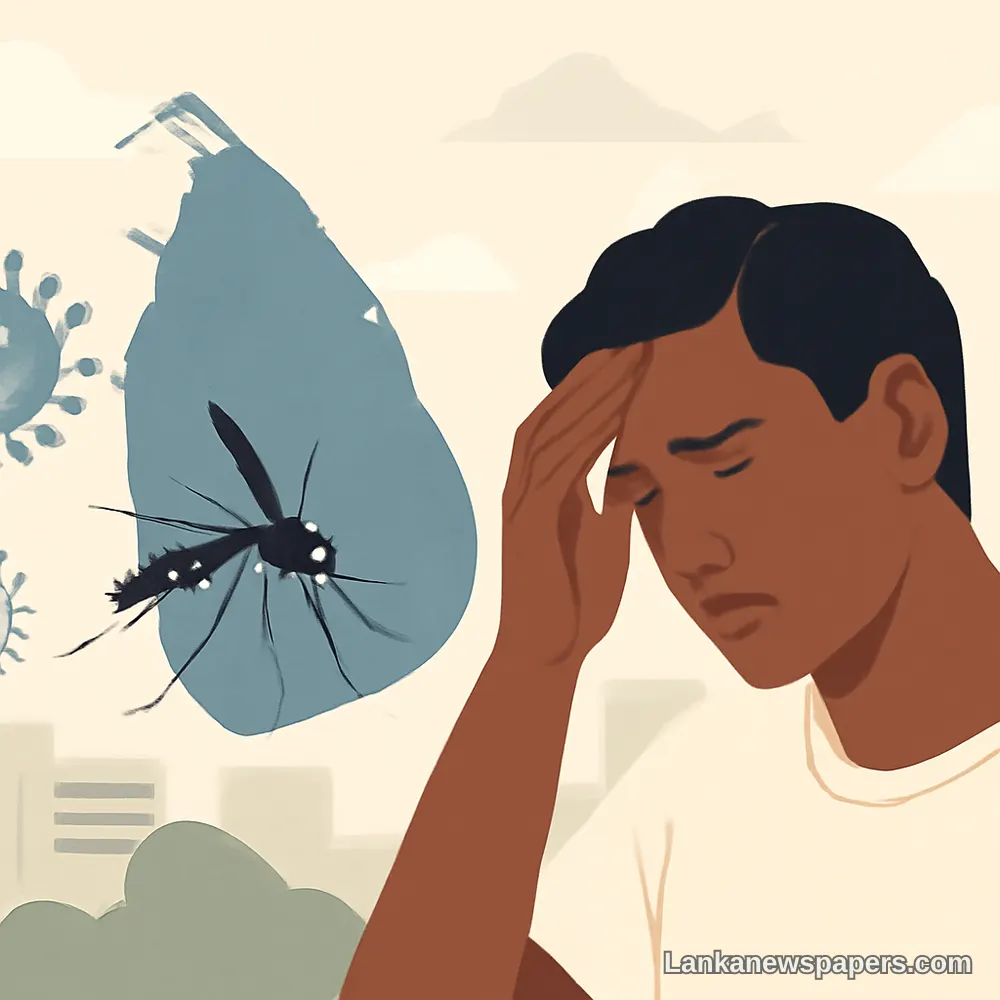
Sri Lanka is grappling with a severe dengue outbreak, with the total number of reported cases surpassing 76,000 by mid-July, raising urgent public health concerns across the island.
A Mounting Public Health Emergency
Health authorities are on high alert as the dengue situation continues to worsen, with case numbers climbing at an alarming rate well before the year reaches its second half. The figure of 76,000 cases recorded by mid-July signals one of the more serious dengue surges the country has faced in recent years.
Dengue fever, transmitted through the bite of the Aedes aegypti mosquito, remains one of Sri Lanka's most persistent vector-borne diseases. The illness can range from mild flu-like symptoms to severe haemorrhagic fever, which can prove fatal if not treated promptly.
What Is Driving the Surge
Conditions during the monsoon season typically create ideal breeding grounds for mosquitoes, as stagnant water collects in gardens, construction sites, and discarded containers. Public health officials have repeatedly warned that community-level negligence in eliminating such breeding sites contributes significantly to the annual rise in cases.
- Waterlogged areas and poorly maintained drains continue to serve as mosquito breeding hotspots
- Urban and semi-urban communities remain particularly vulnerable
- Hospital resources face increasing pressure as patient numbers grow
Calls for Public Vigilance
Health authorities are urging all Sri Lankans to take immediate preventive action by eliminating standing water around their homes and seeking medical attention at the earliest sign of dengue symptoms.
Residents are advised to use mosquito repellents, wear protective clothing, and ensure that water storage containers are kept securely covered. Early diagnosis and timely medical care remain critical in preventing fatalities.
With the monsoon season still ongoing, authorities warn that case numbers could climb further in the weeks ahead if community-level prevention efforts are not significantly strengthened across all districts.


💬 Join the Discussion 0
Be the first to share your view on this story.