Three Decades On, Tamil Families Renew Calls for Justice Over Chemmani Mass Graves
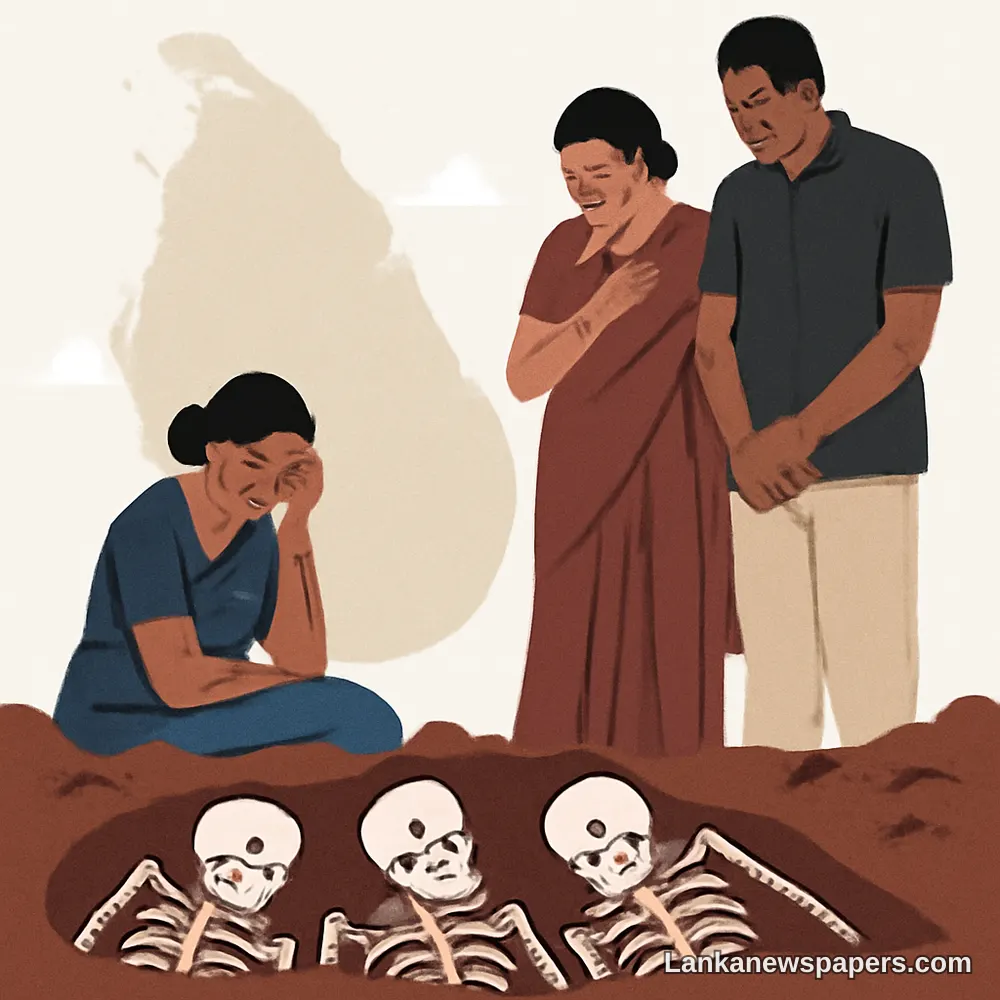
A Wound That Has Never Healed
Decades after the discovery of mass graves at Chemmani in northern Sri Lanka, Tamil families and civil society groups are once again raising their voices, demanding accountability and justice for the victims believed to be buried there.
The Chemmani Mass Graves
The Chemmani site, located near Jaffna, became the centre of national and international attention following revelations by a former Sri Lankan Army soldier who testified that hundreds of bodies of Tamil civilians and alleged combatants had been buried in the area during the final stages of the country's long civil war. Excavations carried out in the late 1990s unearthed skeletal remains, but critics have long argued that the investigations were incomplete and that those responsible were never brought to justice.
For the families of the missing, the site represents not only a tragedy of enormous proportions but also a symbol of the broader culture of impunity that has persisted in post-war Sri Lanka.
Renewed Demands for Accountability
Tamil community representatives and human rights advocates are pressing authorities to conduct thorough, transparent and internationally supervised forensic investigations at Chemmani and other suspected burial sites across the north and east of the island. They argue that successive governments have failed to deliver meaningful accountability for wartime atrocities.
- Families are calling for full disclosure of what occurred at Chemmani and similar sites.
- Advocates are urging the establishment of an independent, credible mechanism to identify victims through DNA testing and forensic analysis.
- Tamil groups are demanding that perpetrators be prosecuted under both domestic and international law.
A Test for Sri Lanka's Transitional Justice Process
The renewed calls come at a time when Sri Lanka's transitional justice mechanisms remain largely stalled. Despite repeated promises to the United Nations Human Rights Council, the government has yet to establish a fully functional accountability framework that satisfies the concerns of Tamil victims and the international community.
For thousands of Tamil families, the bones buried at Chemmani are not historical artefacts — they are fathers, mothers, sons and daughters who were never allowed a proper farewell.
Human rights organisations have consistently highlighted the Chemmani case as emblematic of the unresolved grievances that continue to hamper genuine reconciliation between Sri Lanka's communities. Without truth, they argue, lasting peace remains out of reach.
International Attention
The issue has drawn the attention of international observers and diaspora Tamil communities around the world, who continue to lobby foreign governments and global bodies to maintain pressure on Colombo to act. The United Nations and several Western nations have repeatedly called on Sri Lanka to honour its commitments on accountability and ensure that victims' families receive the truth they have been seeking for so long.
As Sri Lanka navigates its political and economic challenges, the unresolved question of Chemmani serves as a stark reminder that the scars of war cannot be healed through silence alone.

💬 Join the Discussion 2
See what readers are saying — and add your view.
30 years and still no answers. goverment must be held accountable.
which goverment though, so many changed hands since then