Sri Lankan Court Bars Former President Gotabaya Rajapaksa From Travelling Abroad Amid Easter Sunday Bombing Inquiry
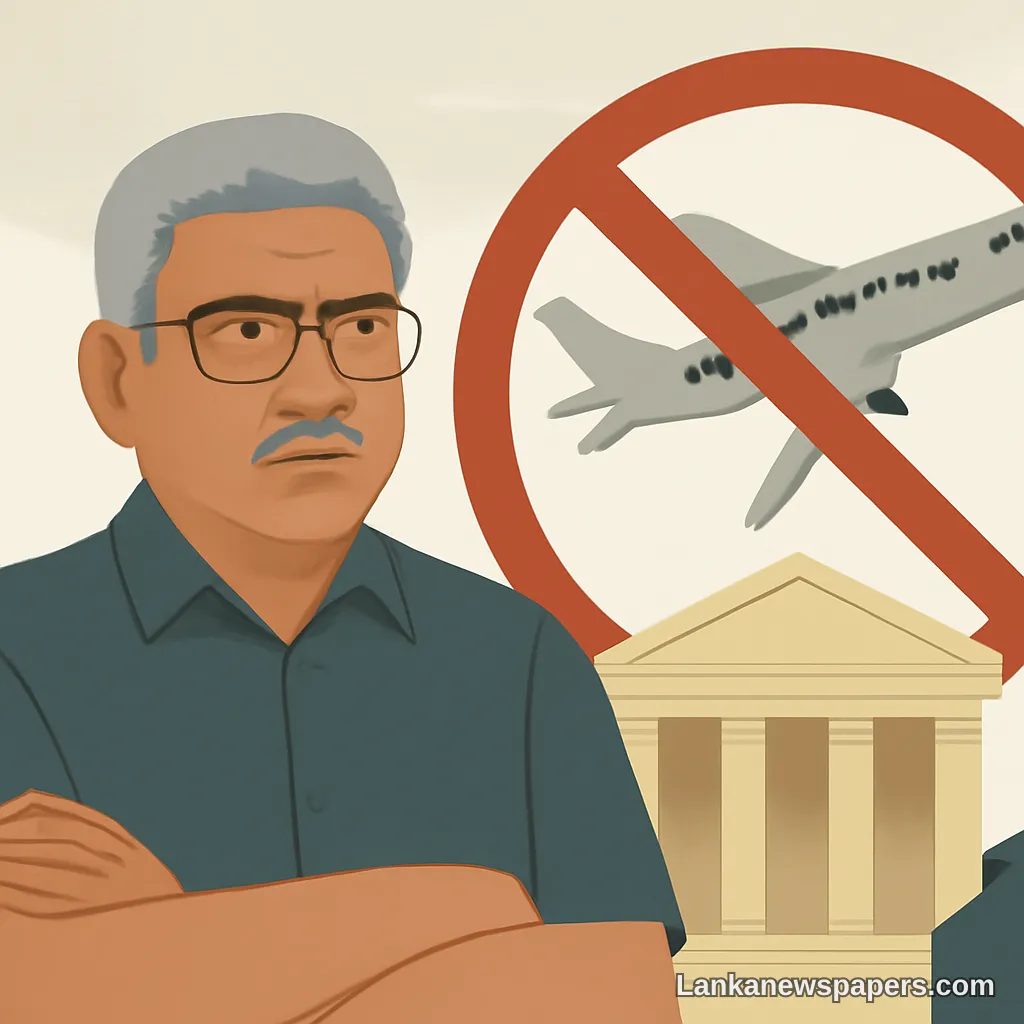
A Sri Lankan court has imposed an overseas travel ban on former President Gotabaya Rajapaksa in connection with the ongoing judicial investigation into the devastating Easter Sunday bombings of 2019, marking a significant legal development in one of the country's most consequential criminal inquiries.
Court Order Restricts Former Leader's Movement
The travel ban prevents Gotabaya Rajapaksa, who served as Sri Lanka's eighth President from 2019 until his resignation in 2022, from leaving the island nation while investigators continue to examine the circumstances surrounding the coordinated terror attacks that killed hundreds of people.
The ruling underscores the judiciary's determination to hold senior figures accountable as the probe into the Easter Sunday atrocities advances, years after the bombings shocked the nation and drew widespread international condemnation.
Background to the Easter Sunday Attacks
On Easter Sunday, 21 April 2019, a series of coordinated suicide bomb attacks struck three churches and three luxury hotels across Sri Lanka, killing more than 260 people and injuring hundreds more. The attacks were carried out by local Islamist extremists linked to the Islamic State.
Investigations in the years since have sought to establish whether intelligence failures and lapses by senior government and security officials allowed the attacks to proceed despite prior warnings. Gotabaya Rajapaksa was serving as Secretary to the Ministry of Defence at the time of the bombings.
Legal and Political Significance
The imposition of a travel ban on a former head of state carries considerable legal and political weight in Sri Lanka. Gotabaya Rajapaksa had fled the country in July 2022 following a mass popular uprising driven by the island's worst economic crisis in decades, before eventually returning to Sri Lanka.
Legal analysts observe that the court's decision signals a renewed push for accountability at the highest levels of government regarding the intelligence and security failures that preceded the 2019 attacks.
The families of victims have long demanded justice and transparency, and many are expected to view the travel restriction as a step, however incremental, toward meaningful accountability for those in positions of authority at the time of the tragedy.
Investigation Continues
Authorities have indicated that the investigation remains active, with the travel ban intended to ensure that key individuals remain available to the court as proceedings develop. No further charges or summons against the former president have been announced at this stage.
Sri Lanka's Easter Sunday bombings continue to cast a long shadow over the country's political landscape, and the latest court order is likely to reignite public debate over accountability, national security, and the rule of law.



💬 Join the Discussion 0
Be the first to share your view on this story.