Sri Lanka's Apparel Sector Faces Competitiveness Threat After US Places Island in Higher Tariff Bracket
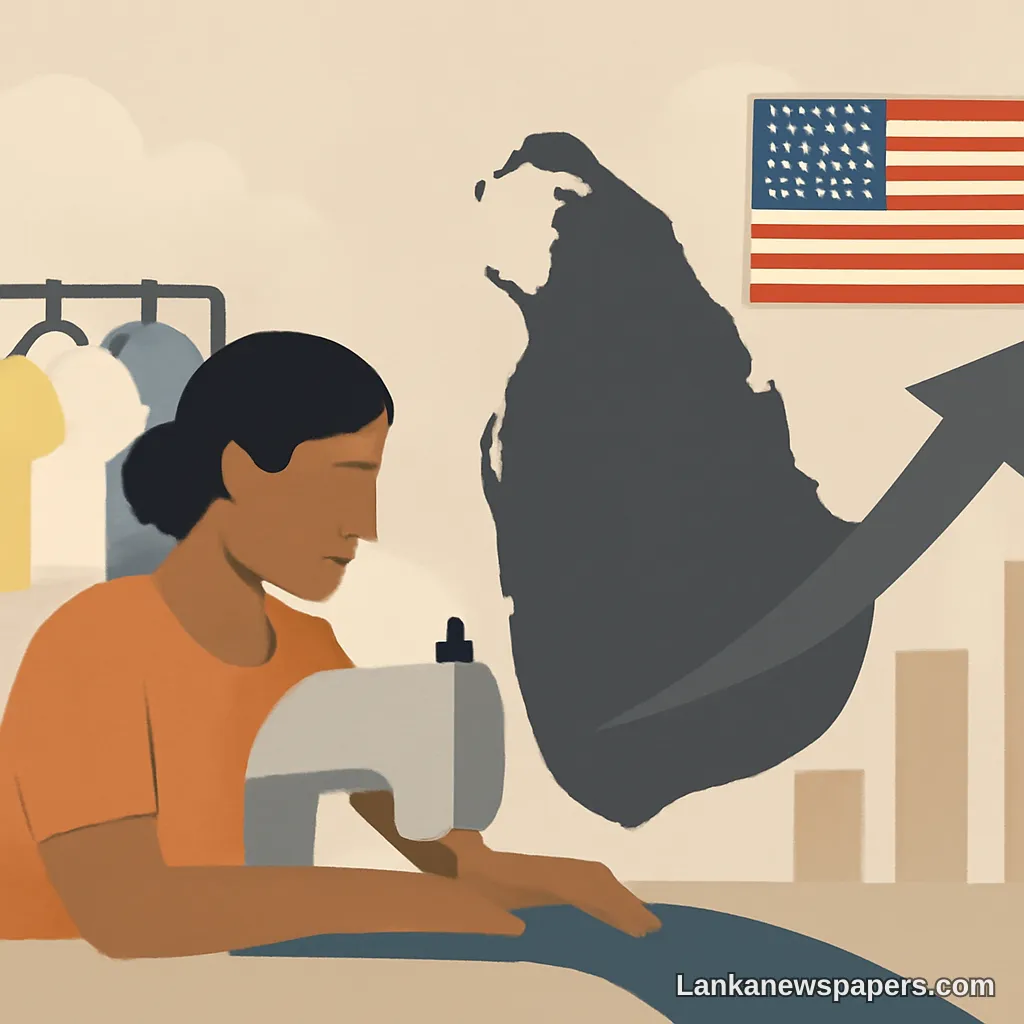
Sri Lanka's garment and apparel industry is facing a significant threat to its global competitiveness after the United States placed the island nation in a higher duty tier, prompting an urgent warning from the sector's leading trade body.
JAAF Raises the Alarm
The Joint Apparel Association Forum (JAAF), which represents Sri Lanka's multi-billion dollar apparel industry, has cautioned that the country's positioning within a higher US tariff bracket could seriously undermine its ability to compete with rival garment-exporting nations in the American market.
The warning comes at a particularly sensitive time for the sector, which has long been one of Sri Lanka's most critical sources of export revenue and foreign exchange earnings, employing hundreds of thousands of workers across the island.
What This Means for Sri Lankan Exporters
Being placed in a higher duty tier by the United States means that Sri Lankan apparel products will face elevated import taxes when entering the American market. This effectively makes locally manufactured garments more expensive for US buyers compared to competitors operating under more favourable duty arrangements.
- Sri Lankan apparel exporters could lose price competitiveness against rival nations with lower duty rates
- American buyers may redirect orders to countries facing lighter tariff burdens
- The development poses risks to export volumes, revenue, and employment within the sector
A Critical Export Industry Under Pressure
The apparel sector stands as one of Sri Lanka's most vital industries, consistently ranking among the country's top export earners. The United States remains one of the most important destination markets for Sri Lankan garments, making any shift in duty arrangements a matter of serious national economic concern.
JAAF has signalled that urgent attention from policymakers and trade negotiators is needed to address the situation and protect the industry's standing in key international markets.
Industry stakeholders are now calling on the government to engage proactively with US trade authorities and explore diplomatic and trade negotiation channels to seek a more favourable classification or secure concessions that would level the playing field for Sri Lankan exporters.
Broader Economic Implications
As Sri Lanka continues its economic recovery following the severe financial crisis of recent years, any erosion of competitiveness in its core export industries carries heightened risks. The apparel sector's ability to generate foreign exchange is considered crucial to sustaining the country's stabilisation efforts and meeting international debt obligations.
Trade observers note that the outcome of any negotiations with Washington will be closely watched by both the industry and the wider business community as a gauge of Sri Lanka's ability to protect its economic interests on the global stage.



💬 Join the Discussion 0
Be the first to share your view on this story.