Sri Lanka Imposes Travel Ban on Former President Over 2019 Easter Sunday Bombings
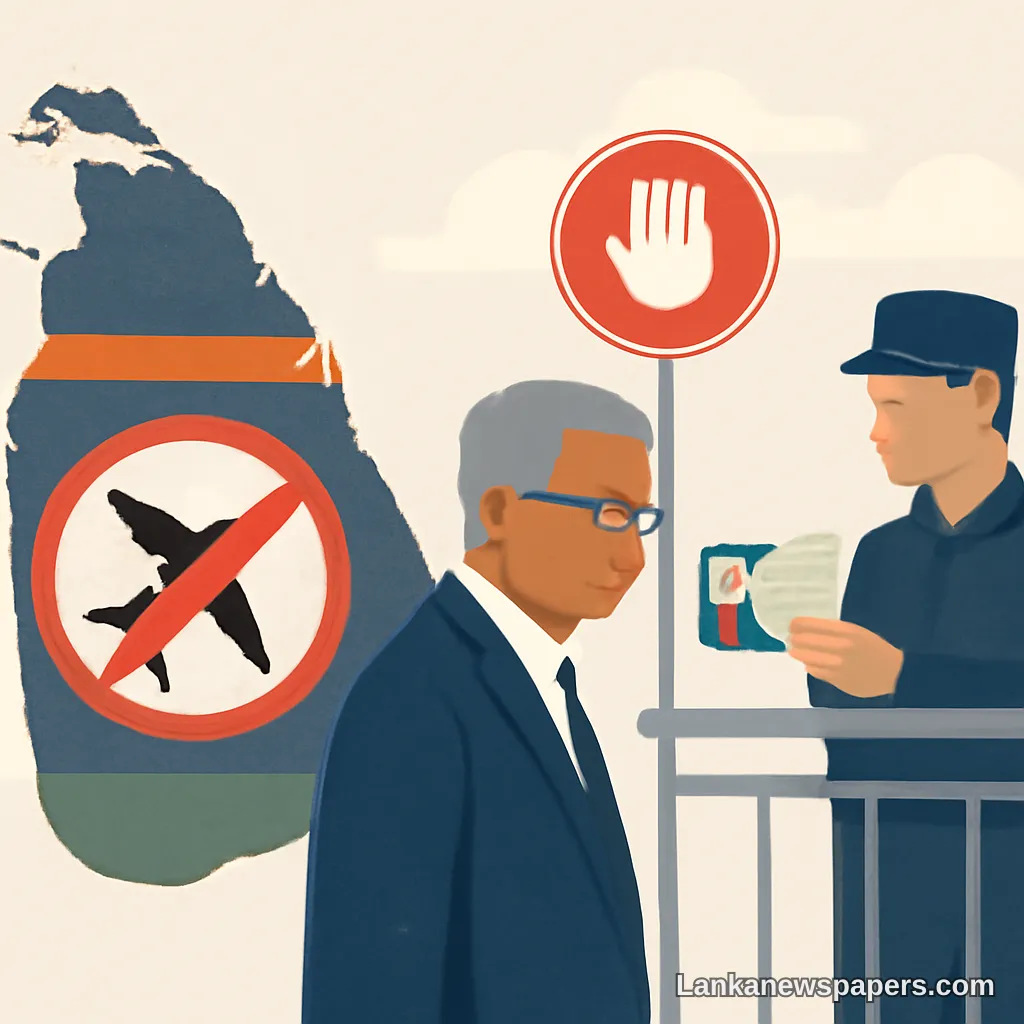
Former Head of State Barred From Leaving Sri Lanka
Sri Lankan authorities have imposed a travel ban on a former president in connection with the devastating Easter Sunday bombings of 2019, a move that marks a significant escalation in the long-running effort to hold senior officials accountable for one of the country's deadliest terrorist attacks.
Background to the Bombings
The Easter Sunday attacks on 21 April 2019 killed more than 260 people and wounded hundreds more when suicide bombers targeted churches and luxury hotels across Sri Lanka. The coordinated strikes sent shockwaves through the island nation and drew widespread international condemnation. In the years since, victims' families and civil society groups have persistently demanded justice and full transparency regarding what security officials knew — and failed to act upon — before the attacks took place.
Accountability Comes to the Highest Level
The travel ban signals that investigators and judicial authorities are now directing scrutiny toward the highest levels of political leadership during the period surrounding the attacks. Critics and survivors' groups have long alleged that intelligence warnings were ignored or suppressed by those in power at the time, contributing to the catastrophic loss of life.
The decision to restrict the former president's movement represents one of the most consequential steps taken by Sri Lankan authorities since the tragedy, indicating that accountability proceedings are advancing beyond lower-ranking officials and security personnel.
Significance for Sri Lanka's Justice Process
Legal analysts note that travel bans of this nature are typically imposed when authorities wish to ensure that a person of interest remains available for questioning or potential prosecution. The development is being closely watched by human rights organisations, foreign governments, and the families of those who lost loved ones in the attacks.
For many Sri Lankans, particularly members of the Christian community whose churches were targeted on that fateful Easter morning, the measure offers a measure of hope that the pursuit of truth and justice will not be abandoned. The path toward full accountability, however, is expected to remain complex and legally challenging in the months ahead.



💬 Join the Discussion 0
Be the first to share your view on this story.