Nearly 300 Buddhist Monks in Sri Lanka Accused of Child Abuse Over Three-Year Period
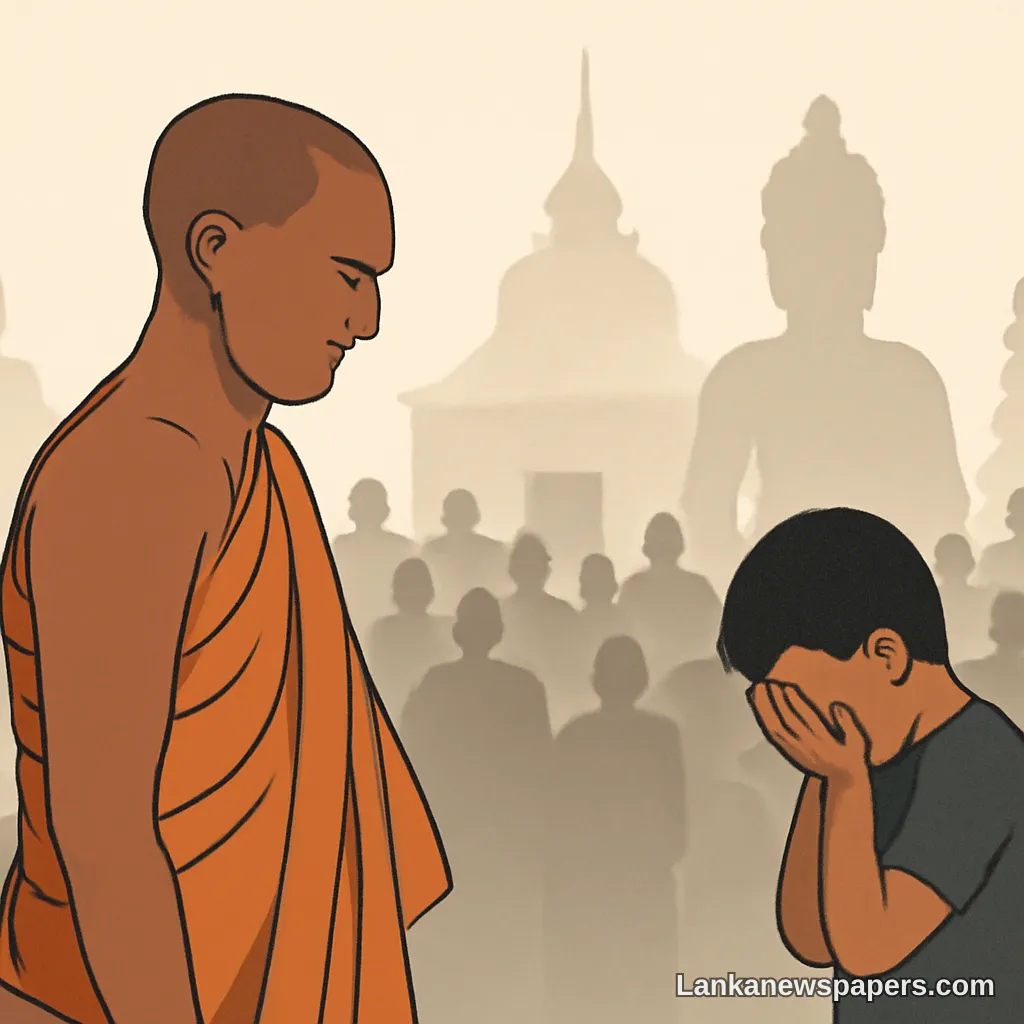
Allegations of child abuse have been levelled against close to 300 Buddhist monks across Sri Lanka over the past three years, in a deeply troubling trend that has drawn renewed scrutiny to safeguarding practices within the country's religious institutions.
Scale of the Allegations
The figures, which span a three-year period, point to a pattern of reported misconduct involving members of the Buddhist clergy — an institution that commands enormous moral authority and public trust in Sri Lanka, where Buddhism is practised by the majority of the population. The sheer volume of accusations has alarmed child rights advocates and raised urgent questions about accountability mechanisms within religious establishments.
A Crisis of Accountability
Critics have long argued that the revered status afforded to Buddhist monks in Sri Lankan society has at times made it difficult for victims and their families to come forward, and has created conditions in which allegations can be suppressed or go uninvestigated. Children who reside in temple premises — often from rural or low-income families who place their sons in the care of monks for religious education — are considered among the most vulnerable.
The volume of complaints raises serious concerns about whether existing child protection frameworks are sufficient to address abuse within religious settings.
Calls for Institutional Reform
Child protection organisations have called on both religious authorities and the Sri Lankan government to take decisive action. Among the measures being urged are:
- Independent investigations into each reported allegation, free from interference by religious bodies
- Stronger legal protections for child victims and witnesses
- Mandatory reporting requirements for institutions housing minors
- Greater transparency from Buddhist chapter authorities regarding internal disciplinary proceedings
Government and Religious Body Response
Sri Lanka's religious and political establishments have historically been slow to publicly address accusations of misconduct involving the clergy. The Buddhist hierarchy, known as the Sangha, holds significant social and political influence, and observers note that this has sometimes complicated efforts to pursue complaints through official channels.
The government has yet to announce any comprehensive policy response specifically targeting child safety within religious institutions, though existing child protection laws technically apply regardless of the setting or status of the accused.
Broader Context
Sri Lanka is a signatory to the United Nations Convention on the Rights of the Child, which obligates the state to protect minors from all forms of abuse and exploitation. Rights groups argue that the reported figures represent not merely an institutional failure, but a broader societal challenge in confronting abuse perpetrated by those in positions of religious authority.
For many families, particularly in rural communities, temples serve as centres of education and community life. Advocates stress that this trust must not be exploited, and that the protection of children must take precedence over the preservation of institutional reputation.

💬 Join the Discussion 0
Be the first to share your view on this story.