General
Oil prices rise and US stocks give back a bit of their record-breaking rally
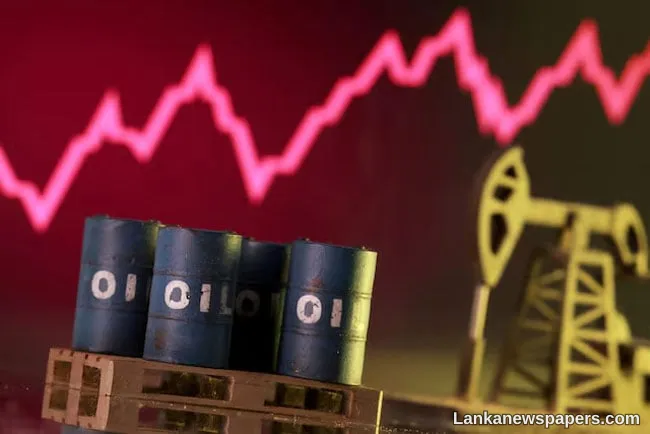
Oil prices increased on Monday due to rising tensions between the United States and Iran, although the changes were not as significant as before. In the U.S., stocks pulled back slightly from their recent record highs. The S&P 500 dropped 0.2% from its peak, marking its second decline in 14 days after the U.S. captured an Iranian-flagged cargo ship accused of trying to avoid its blockade of Iranian ports. The Dow Jones Industrial Average fell by 4 points, or less than 0.1%, while the Nasdaq composite decreased by 0.3%. Brent crude oil, the global benchmark, rose by 5.6% to $95.48 amid concerns that Iran might restrict oil shipments in the Persian Gulf if it continues blocking tankers in the Strait of Hormuz. This shift happened after a previous day when U.S. stocks surged and oil prices dropped following Iran's announcement on Friday that it would reopen the strait to commercial traffic. However, that optimism faded quickly when Iran shut the strait again on Saturday due to the U.S. continuing its blockade of Iranian ports. A critical deadline is approaching on Tuesday night at 8 p.m. Eastern time, which is early Wednesday in Tehran, when a ceasefire agreement between the U.S. and Iran is set to expire. Despite the recent increase in oil prices, they remain significantly lower than the peaks seen during the conflict, which reached above $119 per barrel at the height of fears. The S&P 500 is still performing better than before the war began. Monday’s modest changes indicate that investors believe there might still be a chance for a U.S.-Iran agreement to allow oil to flow again from the Middle East to global markets, which would benefit the economies of both nations.



💬 Join the Discussion 0
Be the first to share your view on this story.