Fuel Prices Would Have Surpassed Rs. 700 Per Litre Without NPP Government, Says Deputy Minister
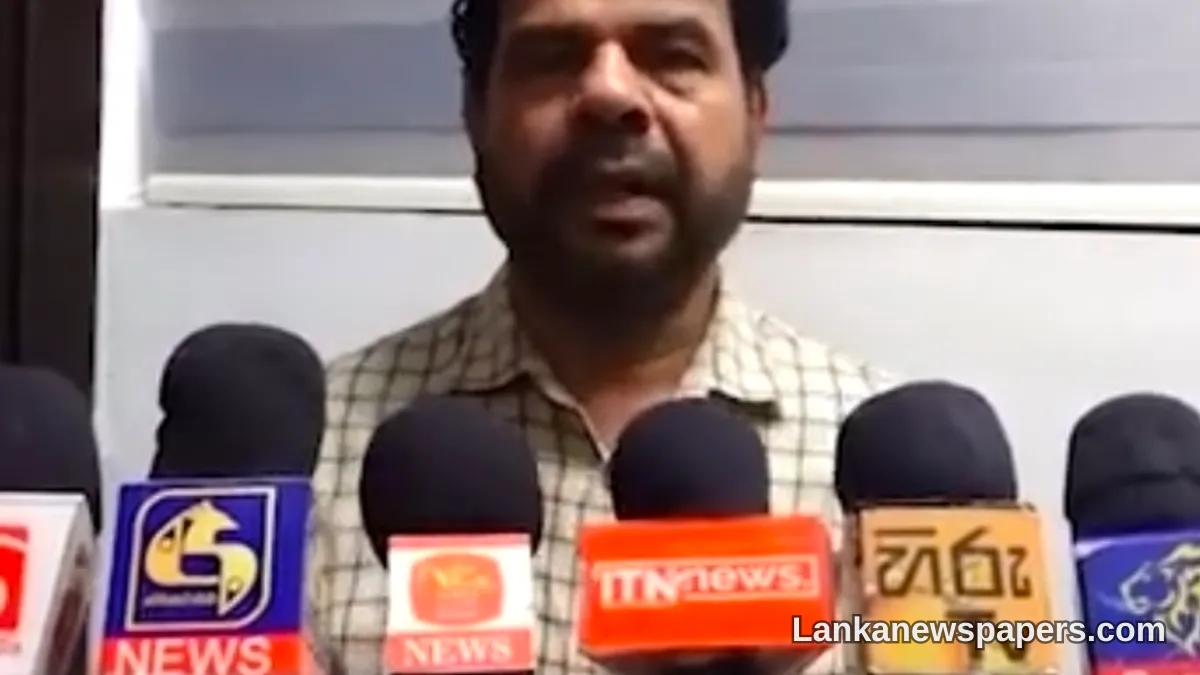
Deputy Minister Namal Karunaratne has asserted that petrol prices in Sri Lanka could have soared beyond Rs. 700 per litre had the National People's Power (NPP) government not come to power, crediting the administration's policies with keeping fuel costs in check for ordinary citizens.
A Bold Claim on Fuel Price Management
Speaking publicly, the Deputy Minister argued that the trajectory of fuel pricing under previous administrations would have pushed costs to unsustainable levels, placing an enormous burden on households and businesses across the island. He maintained that the NPP government's intervention has been instrumental in preventing such a scenario from materialising.
The claim comes at a time when the cost of living remains a deeply sensitive issue for Sri Lankans, many of whom are still navigating the economic hardships that followed the country's severe financial crisis in recent years. Fuel prices have a direct impact on transportation, food supply chains, and the broader economy.
Government Taking Credit for Economic Stabilisation
The Deputy Minister's remarks reflect a broader effort by the NPP administration to highlight what it describes as meaningful progress in managing the country's economic recovery. Officials within the government have repeatedly pointed to fuel pricing and energy sector decisions as evidence of responsible governance since assuming office.
Critics, however, may question whether such projections are grounded in concrete policy analysis or serve primarily as political messaging ahead of ongoing public scrutiny of the government's economic record.
Fuel Prices Remain a Key Concern for Sri Lankans
Petrol prices have been a flashpoint in Sri Lanka's political discourse since the 2022 economic crisis, during which acute fuel shortages led to lengthy queues at filling stations and widespread public frustration. The memory of that period continues to shape how citizens evaluate government performance on energy and cost-of-living matters.
- Sri Lanka experienced a catastrophic fuel shortage during the 2022 economic crisis
- Fuel pricing directly affects transportation costs, food prices, and daily livelihoods
- The NPP government has positioned economic stabilisation as a central pillar of its administration
As the government continues to navigate Sri Lanka's path toward full economic recovery, statements such as those made by Deputy Minister Karunaratne are likely to fuel further debate over which policies have genuinely benefited the public and which claims remain open to scrutiny.


💬 Join the Discussion 0
Be the first to share your view on this story.