China Steps Back from Colombo Logistics Hub — But Its Influence in Sri Lanka Is Far From Over
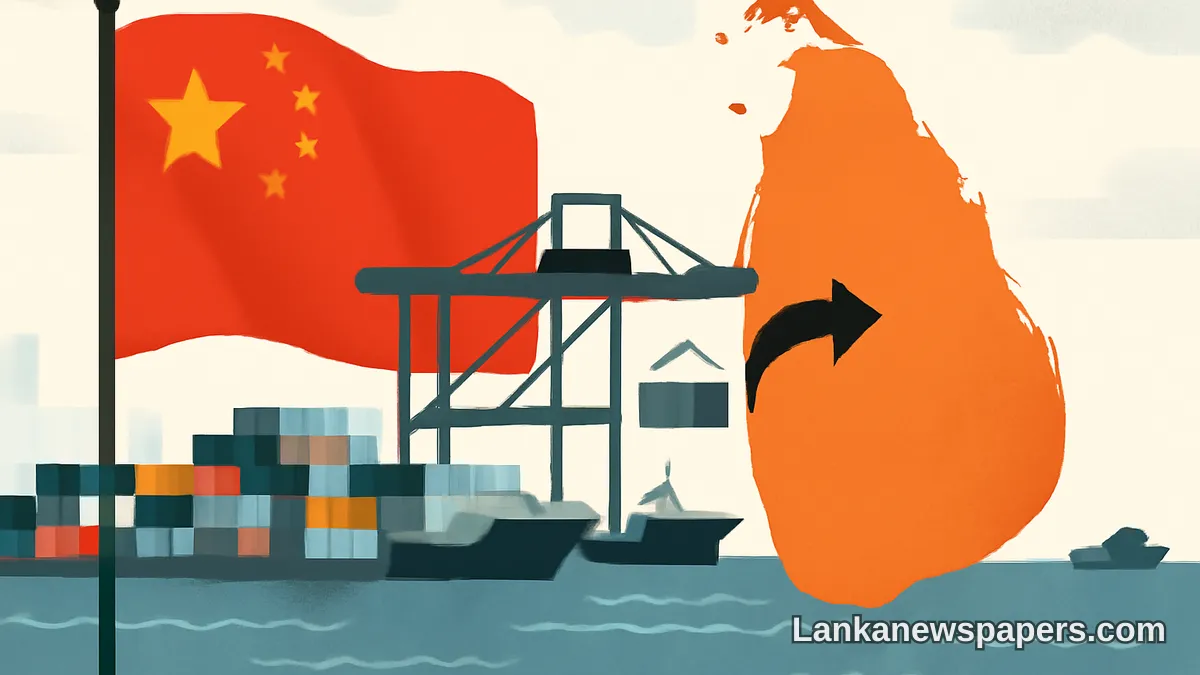
China's withdrawal from a key logistics hub in Colombo has drawn significant attention across the region, raising questions about the shifting balance of power in Sri Lanka and what the development signals for neighbouring India.
A Strategic Retreat — Or Simply a Repositioning?
China has pulled back from its involvement in the Colombo logistics hub, a facility that had been seen as a critical node in Beijing's broader maritime ambitions across the Indian Ocean region. While the exit may appear to represent a diminishing Chinese presence, analysts caution against reading too much into a single development.
Despite stepping away from the logistics facility, China continues to maintain a substantial footprint in Sri Lanka through a range of infrastructure investments, port agreements, and economic partnerships that have been cultivated over many years. The Hambantota Port, leased to a Chinese state-owned enterprise on a 99-year agreement, remains one of the most prominent symbols of Beijing's enduring strategic interests on the island.
What Prompted the Exit?
The precise reasons behind China's withdrawal from the Colombo hub have not been fully disclosed publicly. However, observers point to a combination of factors, including Sri Lanka's ongoing efforts to rebalance its foreign relationships following the country's severe economic crisis, as well as growing pressure from Western nations and regional powers to diversify away from heavy dependence on Chinese-backed projects.
Sri Lanka, which has been navigating a delicate diplomatic path as it works to recover economically, appears to be carefully managing its relationships with multiple global powers simultaneously — a balancing act that has become increasingly complex in recent years.
India Watches Closely
For India, the development carries considerable strategic weight. New Delhi has long viewed Chinese infrastructure projects in Sri Lanka with concern, given the island nation's proximity to India's southern coastline and its position along some of the world's busiest shipping lanes.
India has itself been actively deepening its economic and diplomatic ties with Sri Lanka, including through energy connectivity projects, port development initiatives, and lines of credit. The partial Chinese retreat from the Colombo hub may create an opening for Indian interests to expand their presence — though experts warn that China's overall influence in the country remains deeply entrenched.
The Bigger Picture
Sri Lanka sits at the heart of a broader geopolitical competition playing out across the Indian Ocean, with China, India, and Western powers all vying for influence. The country's ports, logistics infrastructure, and strategic location make it a prize that no major power is willing to concede lightly.
- China retains its 99-year lease on Hambantota Port through a state-owned enterprise
- Indian investment in Sri Lankan infrastructure has been growing steadily
- Sri Lanka continues to pursue a multi-alignment foreign policy
- The Colombo Port remains one of South Asia's busiest transshipment hubs
For Sri Lanka, the challenge lies in leveraging its strategic geography to attract investment and support from multiple partners without becoming overly beholden to any single power. As the country continues its economic recovery, the choices it makes on infrastructure partnerships will have lasting consequences for its sovereignty and regional relationships.
China may have stepped back from one facility, but its presence in Sri Lanka — built through years of lending, construction, and diplomacy — is not something that disappears overnight.
How India responds to the evolving dynamics, and whether it can translate this moment into a more meaningful strategic partnership with Colombo, will be closely watched by policymakers and analysts across the region in the months ahead.



💬 Join the Discussion 1
See what readers are saying — and add your view.
They "stepped back" but the debt is still there no? Nothing really changed.