Amnesty International Warns Sri Lanka's New Counterterrorism Bill Could Repeat Historical Rights Abuses
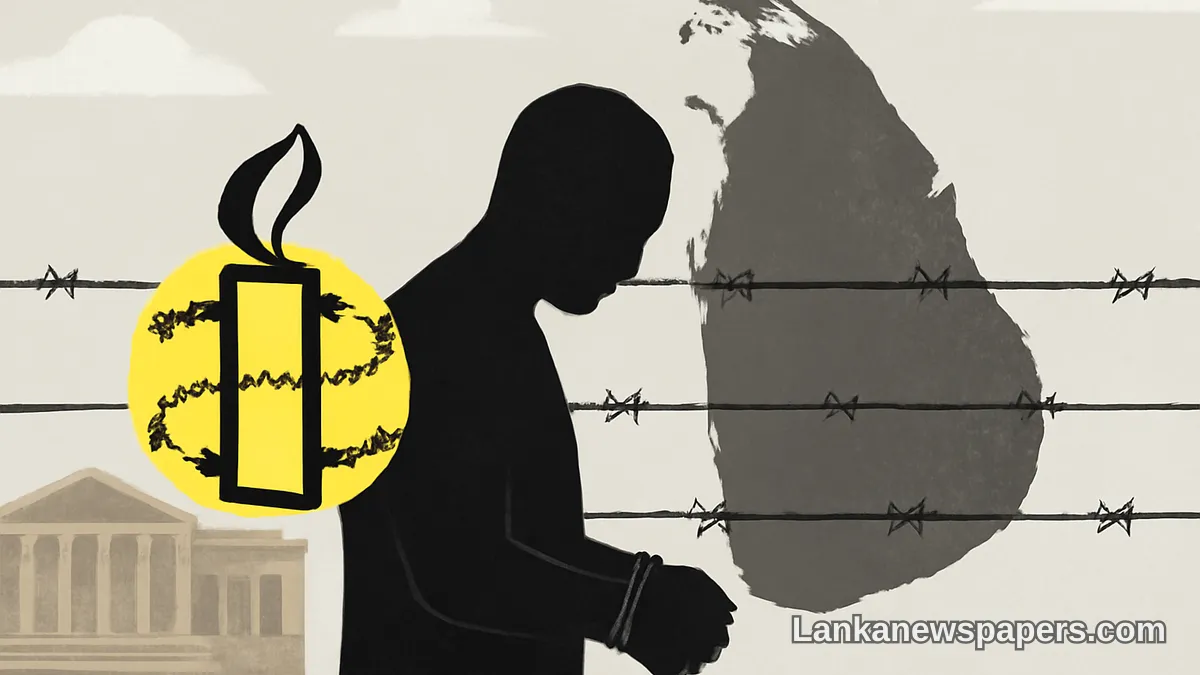
Amnesty International has raised serious concerns over Sri Lanka's proposed counterterrorism legislation, warning that the new bill risks repeating the same human rights violations that plagued the country under its predecessor, the widely criticised Prevention of Terrorism Act (PTA).
A Familiar Pattern of Concern
The global human rights organisation issued the warning as Sri Lanka moves forward with its draft Anti-Terrorism Act (ATA), arguing that despite being presented as a reform measure, the bill retains provisions that could enable abuses similar to those documented under the decades-old PTA.
The PTA has long been condemned by local and international human rights bodies for facilitating arbitrary detention, torture, and the targeting of minorities — particularly Tamils and Muslims — without adequate judicial oversight or due process protections.
Key Concerns Raised
Amnesty International outlined several troubling elements within the proposed legislation, including:
- Overly broad definitions of terrorism that could be misused to target peaceful activists, journalists, and dissidents
- Provisions allowing extended detention without sufficient judicial review
- Insufficient safeguards against torture and ill-treatment of suspects in custody
- The potential for the law to be weaponised against ethnic and religious minority communities
Calls for Meaningful Reform
The organisation urged Sri Lankan authorities to undertake a comprehensive review of the bill, ensuring that any counterterrorism framework fully complies with international human rights law and standards.
Amnesty International stressed that genuine counterterrorism reform must not simply rebrand existing abuses under new legislation, but must instead introduce robust protections for civil liberties and minority rights.
Critics within Sri Lanka, including civil society groups and legal experts, have echoed these sentiments, arguing that the government must seize this opportunity to break decisively from the country's troubled history of counterterrorism enforcement.
Government's Position
Sri Lankan authorities have maintained that the new bill is a necessary modernisation of the country's security framework, designed to bring the nation's counterterrorism laws in line with contemporary threats. Officials have previously indicated a willingness to consider amendments, though rights advocates argue that the changes proposed so far do not go far enough.
Sri Lanka continues to face scrutiny from the United Nations Human Rights Council over its human rights record, and the passage of the ATA in its current form could intensify that international pressure at a time when the country is seeking economic recovery and renewed diplomatic relationships.



💬 Join the Discussion 4
See what readers are saying — and add your view.
Can someone explain what exactly is different from the old PTA?
Every goverment does this. Pass scary laws then misuse them on innocent ppl.
Amnesty always talking but what about the LTTE victims? Where were they then?
True but that dont mean we repeat same mistakes no?