President AKD Accuses Two TV Channels of Deliberately Stoking Artificial Unrest in Sri Lanka
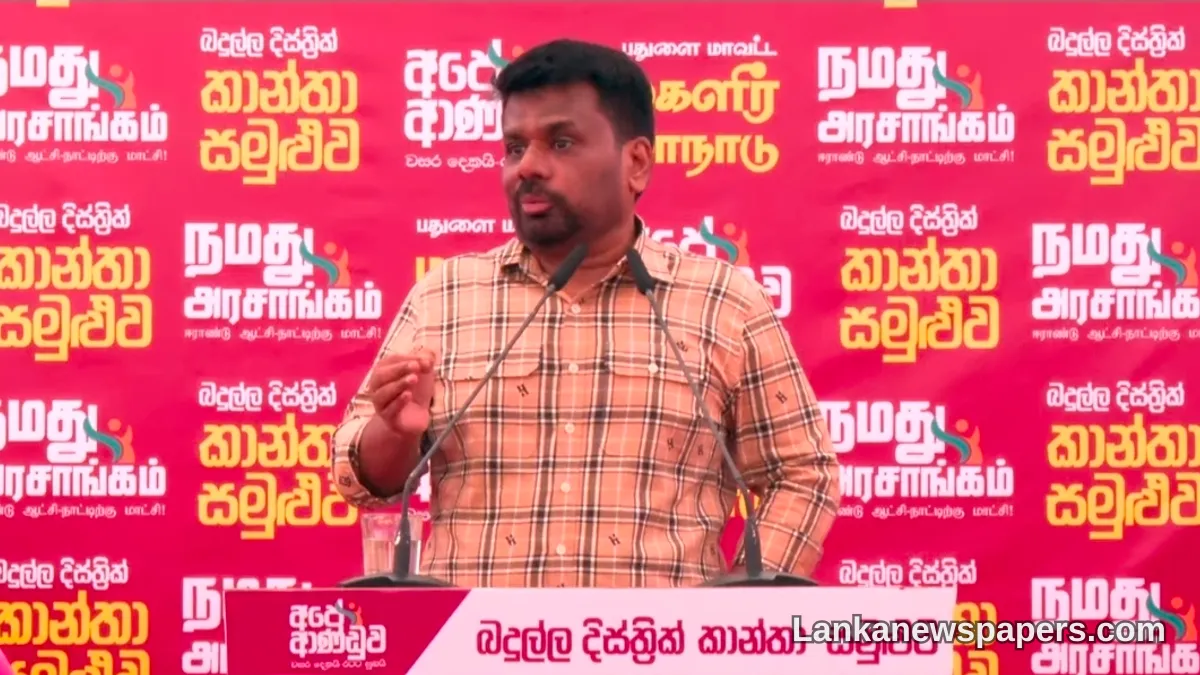
President Anura Kumara Dissanayake has levelled serious accusations against two local television channels, alleging that they have been deliberately working to manufacture social unrest in the country, raising fresh questions about media freedom and political tensions in Sri Lanka.
President Points Finger at Television Outlets
Speaking publicly on the matter, President Dissanayake claimed that the two unnamed broadcast outlets were actively engaged in creating what he characterised as an artificial atmosphere of instability, rather than engaging in fair and balanced journalism. He did not elaborate extensively on the specific broadcasts or editorial decisions he found objectionable, but made clear that he viewed the channels' conduct as a threat to public order.
The President further sharpened his attack by referencing a past drug-related allegation linked to one of the television channels in question, using the claim to cast doubt on the credibility and integrity of the outlet's reporting and ownership.
Growing Tensions Between Government and Media
The remarks signal an increasingly strained relationship between the Dissanayake administration and segments of the Sri Lankan media landscape. Critics and press freedom advocates are likely to view the President's comments with concern, arguing that targeting specific broadcasters from the highest office in the land could have a chilling effect on independent journalism across the island.
Supporters of the government, however, may interpret the President's stance as a necessary pushback against what they see as politically motivated media campaigns designed to destabilise the administration ahead of key policy milestones.
Drug Allegation Adds Controversy
The invocation of a past drug-related allegation against one of the channels added a particularly charged dimension to the President's statement. While the nature and outcome of that allegation were not detailed in full, its inclusion in the President's remarks suggests an intention to discredit the outlet beyond its editorial conduct alone.
Media rights organisations and opposition figures are expected to respond to the President's comments, with calls likely to follow for transparency regarding which channels were named and the precise basis for the accusations.
Broader Implications for Press Freedom
Sri Lanka has faced ongoing scrutiny from international press freedom bodies regarding the treatment of journalists and media institutions. President Dissanayake, who came to power on a platform of systemic change and anti-corruption, now faces questions about how his government intends to navigate its relationship with a press corps that includes both independent voices and outlets with clear political affiliations.
As the situation develops, observers will be watching closely to see whether formal regulatory or legal action follows the President's public remarks, or whether the accusations remain a matter of political rhetoric.
💬 Join the Discussion 4
See what readers are saying — and add your view.
every goverment blames the media when things go wrong, nothing new
media trying to destabilize the country is real, seen it happen before
which two channels? just say the names no, why hiding
exactly, vague accusations wont solve anything