Giving Voice to the Silenced: A Family's Journey Through the Aftermath of Sri Lanka's Easter Sunday Bombings
A Personal Mission to Break the Silence
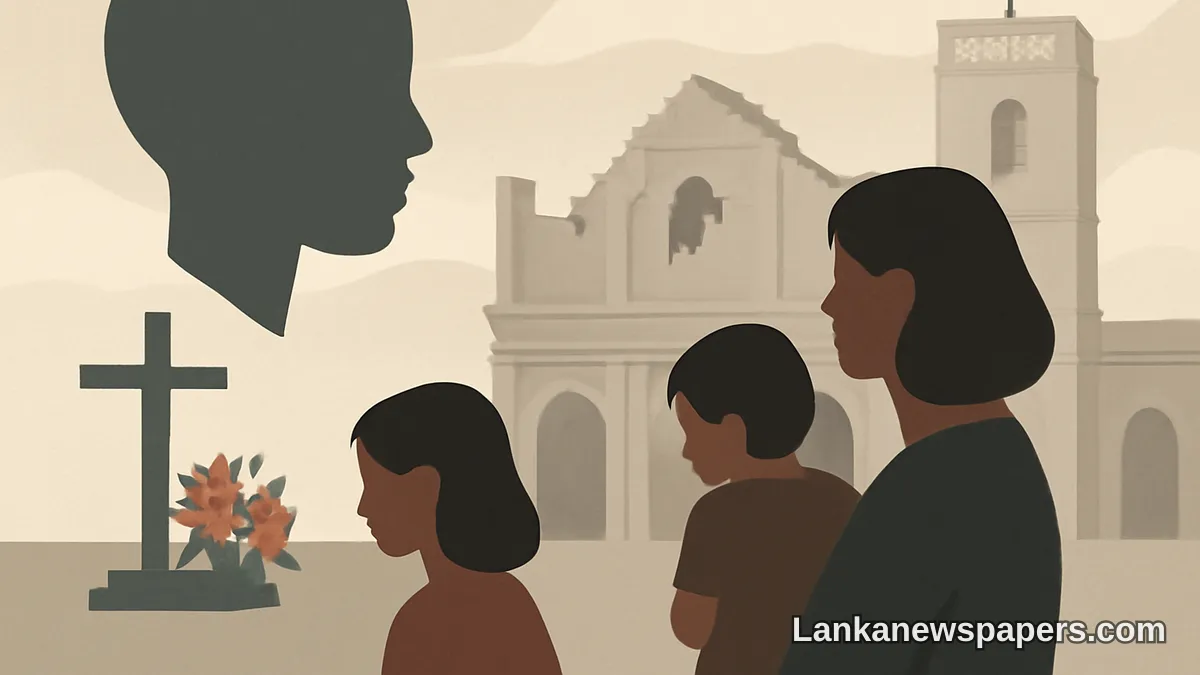
When the Easter Sunday bombings tore through Sri Lanka on April 21, 2019, killing more than 260 people in coordinated attacks on churches and hotels, the immediate aftermath left many survivor families feeling not only grief-stricken but unheard. For one man, that sense of enforced silence became the driving force behind a deeply personal creative endeavour — to tell his family's story and, in doing so, speak for countless others who felt overlooked in the wake of the tragedy.
A Story Rooted in Pain and Purpose
The Easter Sunday attacks remain one of the deadliest acts of terror in Sri Lanka's history. The bombings targeted three churches — including St. Anthony's Shrine in Colombo, St. Sebastian's Church in Negombo, and Zion Church in Batticaloa — as well as several luxury hotels, sending shockwaves across the island and the international community. Yet for many families directly affected, the years that followed brought a different kind of suffering: the feeling that their voices had been marginalised amid political wrangling, delayed justice, and a nation struggling to process collective trauma.
It is within this environment that one individual, whose own family was touched by the devastation of that day, chose to channel his grief into storytelling. His account offers an intimate window into what it means to survive not just the physical horror of such an attack, but the long, often invisible struggle for acknowledgement and closure.
The Weight of Being Ignored
For many Easter Sunday victims' families in Sri Lanka, the years since the bombings have been marked by frustration. Investigations have moved slowly, accountability has remained elusive, and survivors have repeatedly spoken of feeling sidelined by those in power. Community members, particularly from the island's Christian minority, have expressed that their suffering has not received the sustained attention it deserves from both local authorities and the broader public.
The pain of loss is compounded when those who grieve feel their stories are not considered worthy of being told.
This sentiment — that grief without recognition is its own form of injustice — runs through the heart of this individual's effort to document and share his family's experience. By bringing their story into the public domain, he hopes to ensure that the human cost of April 21st is never reduced to mere statistics or political footnotes.
Storytelling as an Act of Resistance
In a broader sense, his decision to speak out reflects a growing movement among Easter Sunday survivors and their loved ones who refuse to allow the passage of time to bury their truth. Across Sri Lanka, civil society groups, religious communities, and advocacy organisations have continued to push for:
- Full and transparent accountability for those responsible for planning and enabling the attacks
- Meaningful recognition of the victims' suffering at the national level
- Adequate psychological and financial support for affected families
- A genuine commitment from authorities to prevent such atrocities from recurring
A Nation Still Healing
Sri Lanka has faced enormous challenges in the years following the Easter Sunday attacks, including a devastating economic crisis and ongoing political instability, both of which have at times pushed the unresolved questions surrounding April 21st further from the national conversation. Yet for those who lost loved ones or carry the scars of that day, forgetting is simply not an option.
As Sri Lanka continues its difficult journey toward reconciliation and recovery, stories like this one serve a vital purpose. They remind the nation — and the world — that behind every act of mass violence are individual human beings whose lives, families, and futures were irrevocably altered. To silence those voices is to allow a second injustice to compound the first.
By choosing to speak, this man ensures that his family's pain is recorded, respected, and remembered — a quiet but powerful act of defiance against forgetting.


💬 Join the Discussion 0
Be the first to share your view on this story.