Sri Lanka's Solar Energy Sector on the Brink as Policy Failures Threaten Renewable Future
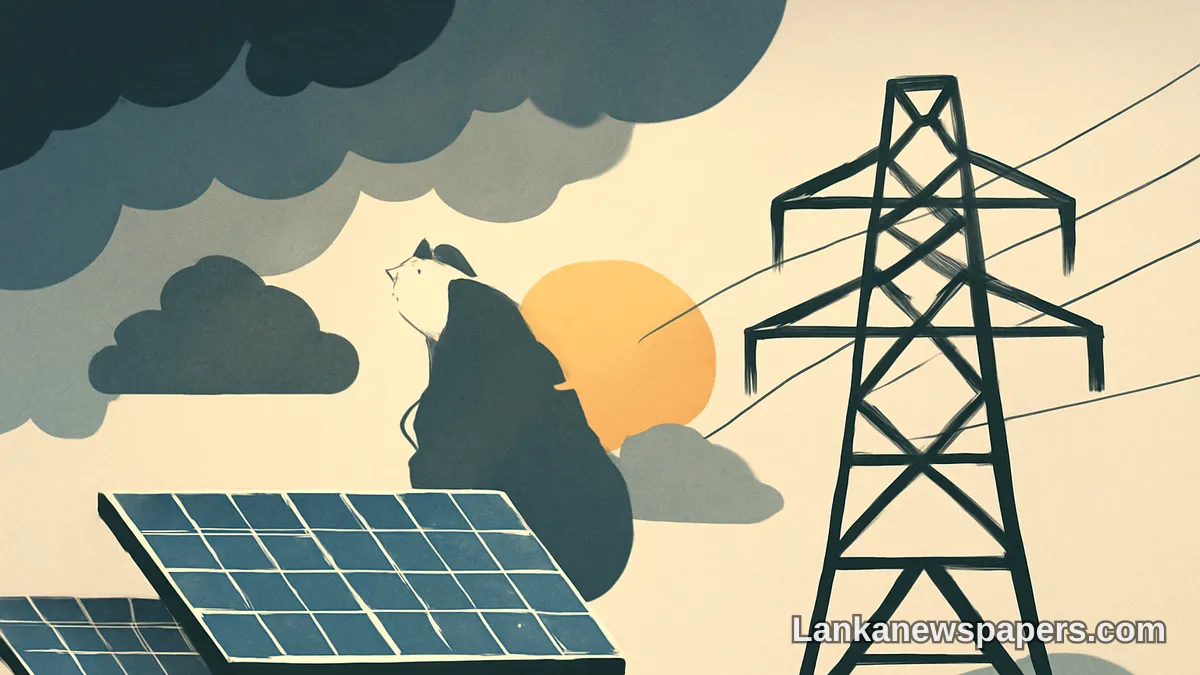
Sri Lanka's solar energy industry, once celebrated as a beacon of hope for the country's power-starved economy, is facing a deepening crisis driven by a series of damaging policy missteps that experts warn could undo years of progress in renewable energy development.
A Promising Sector Under Threat
The island nation had made significant strides in expanding its solar power capacity, with thousands of households and businesses investing in rooftop solar panels and grid-connected systems under government-backed net metering and feed-in tariff schemes. These programmes were widely regarded as a model for energy transition in South Asia.
However, what was once a thriving and growing sector is now under serious strain, as inconsistent government policies, delayed payments, and abrupt regulatory changes have shaken investor confidence and left many solar energy stakeholders facing crippling financial losses.
Policy Chaos Driving Away Investment
Industry insiders point to a string of decisions by energy authorities that have undermined the financial viability of solar projects across the country. Key among the concerns are:
- Retroactive changes to agreed tariff structures that have eroded returns for existing solar energy producers
- Significant delays in payments owed to small and medium-scale solar power suppliers by the Ceylon Electricity Board
- Uncertainty surrounding the future of net metering policies, leaving consumers and investors in limbo
- A lack of transparent and consistent regulatory frameworks to guide long-term planning
Investors and Households Bear the Brunt
Many Sri Lankan families and small business owners who took out loans to install solar panels based on projected returns from electricity buyback schemes now find themselves in financial difficulty. The promise of steady income from feeding surplus power back into the national grid has, for many, turned into a source of stress rather than relief.
The solar energy sector was one of the few genuine success stories to emerge from Sri Lanka's economic crisis period — and it is now being dismantled through sheer policy negligence.
Larger commercial and industrial solar investors, who had committed substantial capital on the basis of government assurances, are also reassessing their positions, with some halting planned expansions entirely.
The Broader Economic Cost
Analysts warn that the damage extends well beyond the solar sector itself. Sri Lanka, which is still navigating its way out of a historic economic crisis, cannot afford to deter foreign and domestic investment in renewable energy at a time when the world is shifting decisively toward clean power.
The country's dependence on costly imported fossil fuels has long been a major drain on its foreign exchange reserves. Solar and other renewables offered a credible path to energy independence — a goal that now appears increasingly distant if current trends continue.
Calls for Urgent Government Action
Energy sector stakeholders and industry bodies are urging the government to intervene swiftly to restore credibility and stability to the solar energy market. Their demands include honouring existing payment obligations to solar producers, providing clear and binding policy commitments for the sector, and establishing an independent regulatory mechanism to prevent arbitrary changes to agreed terms.
Without decisive action, Sri Lanka risks squandering one of its most valuable opportunities to build a sustainable and self-sufficient energy future — a classic case, observers say, of killing the golden goose.



💬 Join the Discussion 2
See what readers are saying — and add your view.
typical goverment, kill everything good before it even starts
exactly, my neighbour just gave up on his solar panels because of all this nonsense