More Than a Third of Sri Lanka's Listed Companies Cannot Meet Interest Payments, Central Bank Warns
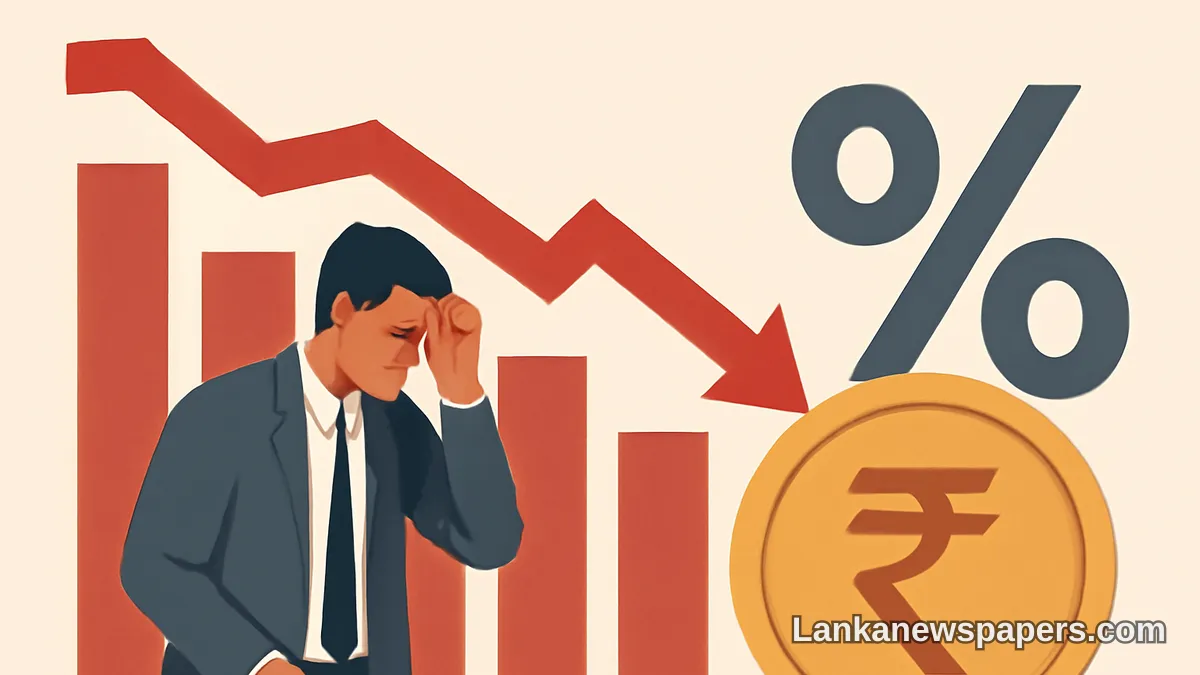
Financial Stress Grips Listed Sector
A significant portion of Sri Lanka's publicly listed companies are struggling to generate enough earnings to cover their interest obligations, according to findings released by the Central Bank of Sri Lanka. The data reveals that over one third of firms listed on the Colombo Stock Exchange are failing to meet their interest bills — a signal of deep financial strain persisting across the corporate sector.
What the Numbers Reveal
The Central Bank's assessment highlights a troubling trend in corporate financial health, with interest coverage ratios falling below the critical threshold of one for more than a third of listed entities. An interest coverage ratio below one indicates that a company is not earning sufficient operating profit to service its debt, raising concerns about long-term viability and the risk of defaults.
This situation is largely attributed to the prolonged impact of Sri Lanka's economic crisis, which drove borrowing costs sharply higher while simultaneously squeezing revenues and profit margins across multiple industries.
Broader Economic Implications
Analysts warn that widespread inability to cover interest payments could have cascading consequences for the broader economy, including pressure on the banking sector, reduced investor confidence, and dampened prospects for economic recovery. Lenders exposed to these financially stretched companies may face rising non-performing loans, adding further stress to an already cautious financial system.
A Cautionary Signal for Investors
For retail and institutional investors active on the Colombo Stock Exchange, the Central Bank's findings serve as an important caution. Companies unable to cover interest payments may be forced to restructure debt, issue new equity, or in worst-case scenarios, cease operations altogether.
- Over one third of listed companies have interest coverage ratios below one
- High borrowing costs following the economic crisis are a key contributing factor
- The situation poses risks to banking sector stability through potential loan defaults
- Investor confidence in listed equities may be affected by the disclosure
Recovery Still Uneven
While Sri Lanka has made notable strides in its macroeconomic stabilisation programme — including bringing inflation under control and rebuilding foreign reserves — the Central Bank's data underscores that the recovery remains uneven. The corporate sector, particularly smaller and mid-sized listed firms, continues to bear the scars of the crisis years.
Authorities are expected to monitor the situation closely as part of ongoing financial stability assessments, with the health of the corporate sector remaining a key variable in Sri Lanka's broader economic outlook.



💬 Join the Discussion 0
Be the first to share your view on this story.