Sri Lanka's Household Spending Bounces Back — But a New Kind of Consumer Has Emerged
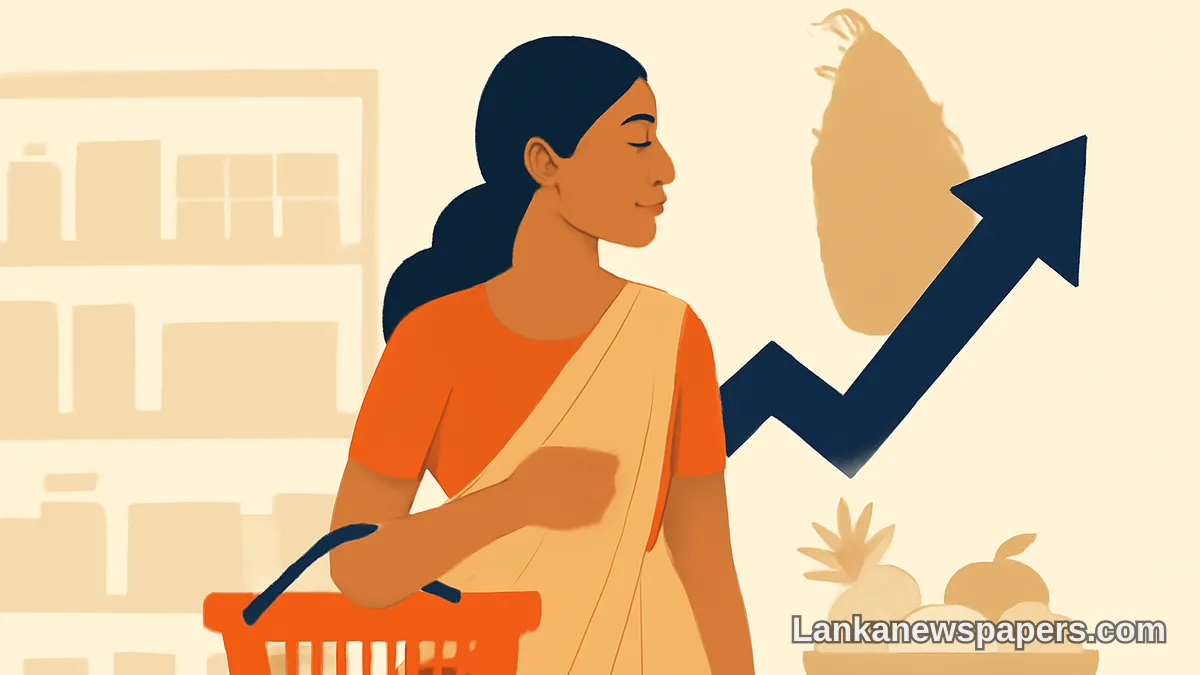
Recovery in consumption masks a deeper shift in Sri Lankan spending behaviour
Sri Lanka's household consumption has largely recovered from the depths of the country's worst economic crisis in decades, but experts warn that the consumer driving that recovery looks very different from the one that existed before it — more cautious, more selective, and fundamentally changed in outlook and habit.
A return in numbers, but not in spirit
On the surface, the data tells an encouraging story. Household spending, which collapsed dramatically during the 2022 economic crisis amid soaring inflation, foreign exchange shortages, and widespread hardship, has climbed back toward pre-crisis levels. For policymakers and businesses alike, this rebound has been welcomed as a sign that Sri Lanka's stabilisation efforts are bearing fruit.
However, analysts caution against reading too much into the headline figures. While the volume of consumption may have recovered, the nature of that consumption has undergone a significant transformation — one that businesses operating in the Sri Lankan market will need to understand and adapt to if they hope to thrive.
How the crisis reshaped the Sri Lankan consumer
The economic crisis forced millions of Sri Lankan households to make difficult choices — cutting back on non-essentials, switching to cheaper alternatives, and fundamentally reassessing what they considered necessary spending. Those habits, born out of necessity, have not simply disappeared with the return of economic stability.
The post-crisis Sri Lankan consumer is widely described as:
- More price-conscious and value-driven, scrutinising purchases more carefully than before
- Less brand-loyal, having switched to alternatives during the crisis and often staying with them
- More cautious about debt and credit-based purchases
- Increasingly focused on essentials over discretionary spending
- More digitally engaged in comparing prices and seeking deals
Implications for businesses and the broader economy
For Sri Lankan businesses, particularly those in retail, fast-moving consumer goods, and services, this shift presents both a challenge and an opportunity. Companies that relied on pre-crisis consumer behaviour — brand loyalty, aspirational spending, and relatively uncritical purchasing decisions — may find that the old playbook no longer delivers the same results.
Businesses that pivoted during the crisis to offer better value, more flexible pricing, or locally produced alternatives have, in many cases, retained the customers they gained during that difficult period. This represents a structural shift in market dynamics that is unlikely to reverse quickly.
Sri Lanka's household consumption has recovered, but the consumer has changed — and that change is likely to be lasting.
A cautious road ahead
While the recovery in household consumption is undoubtedly a positive development for the Sri Lankan economy, sustaining that momentum will require more than simply returning to pre-crisis conditions. Wage growth, continued inflation moderation, and improvements in household income levels will all be critical to ensuring that the consumption recovery deepens rather than stalls.
For now, Sri Lanka finds itself at an important inflection point — the economy is stabilising, consumers are spending again, but the landscape has been permanently altered by the trauma of the crisis years. Understanding and responding to the changed consumer will be among the defining business and policy challenges of the years ahead.

💬 Join the Discussion 0
Be the first to share your view on this story.