COPE Grills State Officials Over Unresolved Petroleum Sector Issues Amid Lack of Inter-Agency Cooperation
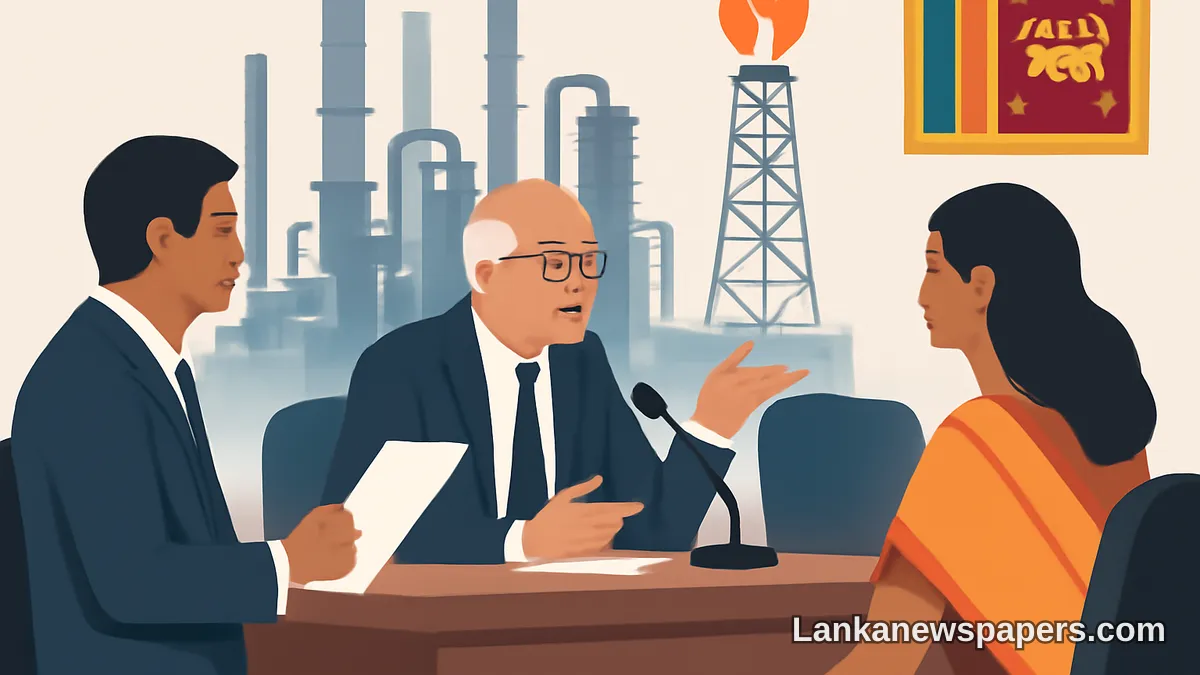
Long-standing problems within Sri Lanka's public sector continue to fester, with a persistent failure of inter-institutional cooperation identified as a key obstacle preventing meaningful progress. The Committee on Public Enterprises (COPE) has recently turned its attention to one such deeply entrenched issue — the management and accountability challenges surrounding the country's petroleum sector.
A Sector Slipping Through the Cracks
Parliamentary oversight bodies have repeatedly found that some of the most pressing issues in state institutions remain unresolved not due to a lack of legislation or resources, but because government agencies fail to work in a coordinated and transparent manner with one another. COPE's latest intervention has brought this systemic weakness into sharp focus, particularly as it relates to the oil industry.
During recent committee proceedings, officials faced pointed questioning over matters that critics say should have been resolved long ago. The responses provided by those summoned before the committee were widely regarded as evasive and unsatisfactory, raising further concerns about accountability within the relevant institutions.
Pattern of Evasion Frustrates Lawmakers
COPE members expressed visible frustration at what they described as vague and non-committal answers from state officials. Rather than providing clear data, timelines, or remedial plans, officials offered responses that failed to address the core concerns raised by the committee — prompting sharp criticism from lawmakers who stressed the importance of transparency in the management of public resources.
The petroleum sector, which plays a critical role in Sri Lanka's economy and daily life, has been the subject of scrutiny for years. Issues related to pricing, procurement, storage, and the financial performance of state energy entities have all been areas of concern for parliamentary watchdogs.
Systemic Failures Under the Spotlight
Observers note that the difficulties highlighted by COPE are symptomatic of a broader malaise affecting Sri Lanka's public enterprises. When government institutions operate in silos — withholding information from one another and failing to align on shared objectives — the resulting gaps in governance ultimately burden the public.
- Lack of coordinated oversight between relevant state institutions
- Inadequate disclosure of operational and financial data
- Evasive responses from officials during parliamentary committee hearings
- Delayed resolution of issues that have persisted for years
Parliamentary oversight is only as effective as the willingness of state institutions to engage honestly and cooperatively with the process.
Calls for Greater Accountability
COPE's scrutiny of the petroleum sector underscores the urgent need for reform in how public enterprises are governed and held accountable. Lawmakers are expected to pursue the matter further, with calls growing for concrete corrective measures rather than the vague assurances that have thus far been offered.
For Sri Lankan citizens already sensitive to fluctuations in fuel prices and energy security following the economic crisis of recent years, the lack of clear answers from those entrusted with managing the country's oil resources is a matter of serious public concern. The coming weeks will reveal whether COPE's intervention translates into genuine institutional reform or remains yet another exercise in accountability without consequence.


💬 Join the Discussion 0
Be the first to share your view on this story.