Sri Lanka's New Music Licensing Rules Draw Backlash from Communities Across the Island
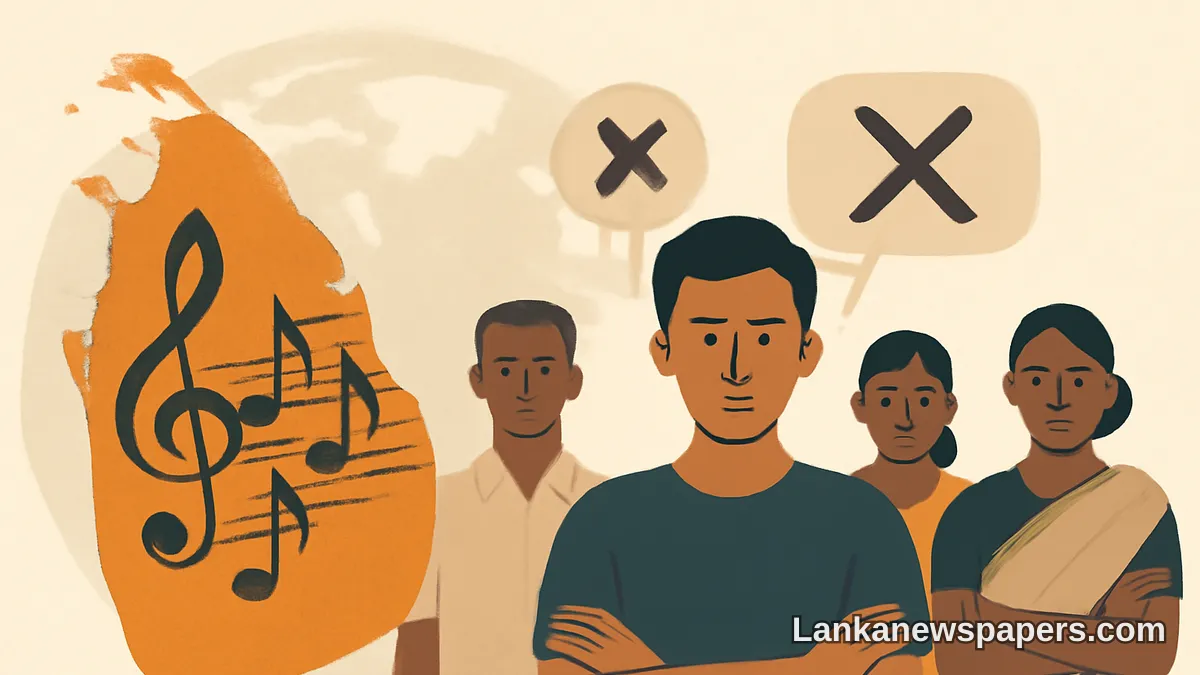
New music licensing regulations introduced in Sri Lanka have sparked widespread concern among community groups, religious organisations, and event organisers across the country, raising questions about the impact on cultural and social life.
What the New Rules Entail
The regulations require individuals and organisations to obtain formal licences before playing music at public gatherings, community events, and religious ceremonies. Authorities have framed the measures as a necessary step toward protecting intellectual property rights and ensuring fair compensation for musicians and composers whose work is performed publicly.
Communities Voice Their Concerns
However, the rules have been met with resistance from a broad cross-section of Sri Lankan society. Many community leaders argue that the licensing requirements place an undue burden on small organisations and grassroots groups that have long relied on music as a central part of their cultural and religious observances.
Religious communities in particular have expressed unease, noting that music plays an integral role in worship, festivals, and ceremonial gatherings. For many smaller congregations and community groups operating on limited budgets, the cost and administrative complexity of obtaining licences could prove prohibitive.
Cultural Traditions at Stake
Critics of the new framework warn that if implemented without careful consideration, the regulations could inadvertently suppress centuries-old cultural traditions that are deeply woven into Sri Lankan life. Village festivals, temple ceremonies, and community celebrations — events that have brought people together across generations — may face significant disruption.
- Small community organisations may struggle to afford licensing fees
- Religious gatherings and ceremonies could be affected
- Traditional cultural events may face new administrative hurdles
- Rural and low-income communities are considered most vulnerable
Balancing Rights and Accessibility
Supporters of the regulations maintain that artists and creators deserve protection for their work and that a proper licensing system is long overdue in Sri Lanka. They argue that musicians, many of whom earn modest incomes, are entitled to fair royalties when their compositions are used publicly.
The challenge for policymakers lies in designing a system that upholds the rights of creators while remaining accessible and practical for the communities that make Sri Lankan cultural life so vibrant.
As debate continues, many stakeholders are calling on the government to engage in broader consultation before the rules are fully enforced, urging authorities to consider exemptions or reduced fees for non-commercial community and religious events.
What Happens Next
Civil society groups and community representatives are expected to continue pressing for amendments to the regulations. The coming weeks will be critical in determining whether the government is willing to revisit aspects of the policy in response to public pressure, or whether the rules will be enforced as currently drafted.

💬 Join the Discussion 2
See what readers are saying — and add your view.
These rules will kill local music culture. Goverment always doing this.
Exactly. Small community events most affected no? Not big concerts.