Sri Lanka's Apparel Industry Eyes $3 Billion Growth Milestone — But What Will It Take?
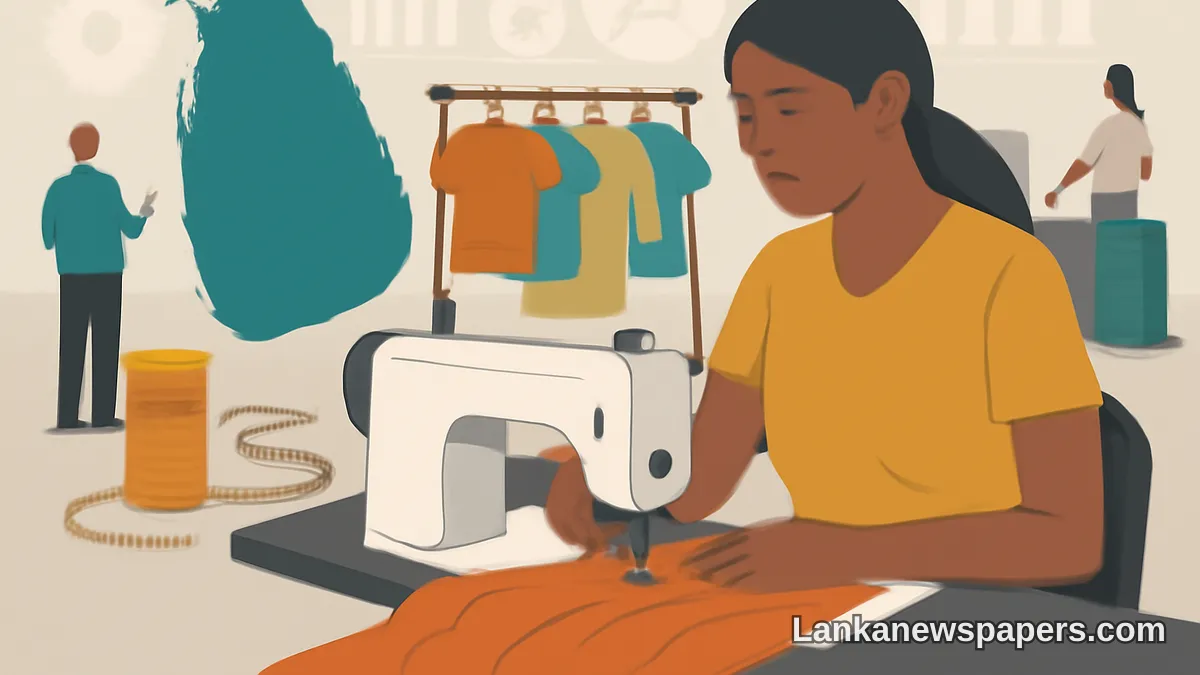
Sri Lanka's apparel sector, long regarded as the backbone of the country's export economy, is setting its sights on an ambitious new target: adding another three billion dollars to its already substantial export earnings. But industry leaders and analysts agree that reaching this milestone will demand far more than business as usual.
A Sector with Proven Strength
The garment industry has historically been one of Sri Lanka's most reliable foreign exchange earners, weathering economic storms, global pandemics, and supply chain disruptions with remarkable resilience. The sector currently contributes billions of dollars annually to national export revenue and employs hundreds of thousands of workers, a significant proportion of whom are women from rural communities.
Yet despite this strong foundation, industry stakeholders acknowledge that simply maintaining the current trajectory will not be enough to unlock the next phase of growth. Reaching the next three billion dollar threshold will require deliberate, strategic transformation across multiple fronts.
Key Drivers That Could Unlock Growth
Several critical areas have been identified as essential to propelling the sector forward:
- Value addition and premiumisation: Moving beyond volume-driven production toward higher-margin, design-led and sustainable garment manufacturing is seen as a central pillar of future growth.
- Market diversification: Sri Lankan apparel exporters remain heavily reliant on traditional markets in the United States and European Union. Expanding into emerging markets across Asia, the Middle East, and beyond could provide crucial new revenue streams.
- Sustainability credentials: Global buyers are increasingly demanding environmentally responsible supply chains. Sri Lanka's existing reputation for ethical manufacturing gives it a competitive edge, but continued investment in green certifications and circular economy practices will be essential.
- Technology and digitalisation: Automation, data-driven production planning, and digital design capabilities are becoming non-negotiable requirements for remaining competitive in global supply chains.
- Workforce development: Retaining skilled talent and upskilling the existing workforce to meet the demands of modern manufacturing will be critical as the industry evolves.
Policy Support and Infrastructure Gaps
Industry voices have also pointed to the need for stronger government support in addressing structural challenges. These include reducing the cost of doing business, improving logistics infrastructure, streamlining export procedures, and ensuring a stable energy supply — all of which directly affect Sri Lanka's competitiveness against rival manufacturing hubs such as Bangladesh, Vietnam, and Cambodia.
The next phase of growth cannot be achieved on the factory floor alone. It requires a partnership between industry and government to remove systemic barriers and create an enabling environment for investment and innovation.
An Opportunity Worth Pursuing
The global apparel market continues to evolve rapidly, with buyers actively seeking reliable, ethical, and agile sourcing partners. Sri Lanka, with its established reputation for quality and compliance, is well positioned to capture a greater share of this shifting demand — provided the sector can execute the necessary transformation with urgency and coordination.
For a country still navigating its path out of an unprecedented economic crisis, unlocking the next three billion dollars from apparel exports would represent far more than an industry achievement. It would be a significant signal to the world that Sri Lanka is firmly back in business.



💬 Join the Discussion 3
See what readers are saying — and add your view.
Chinese and Bangladesh competition is real, how we gonna compete?
good target but goverment needs to actually support the factories first no?
exactly, workers also getting paid peanuts still