EU-Funded €110,000 Research Initiative Targets Plastic Waste Crisis in Sri Lanka's Food Industry
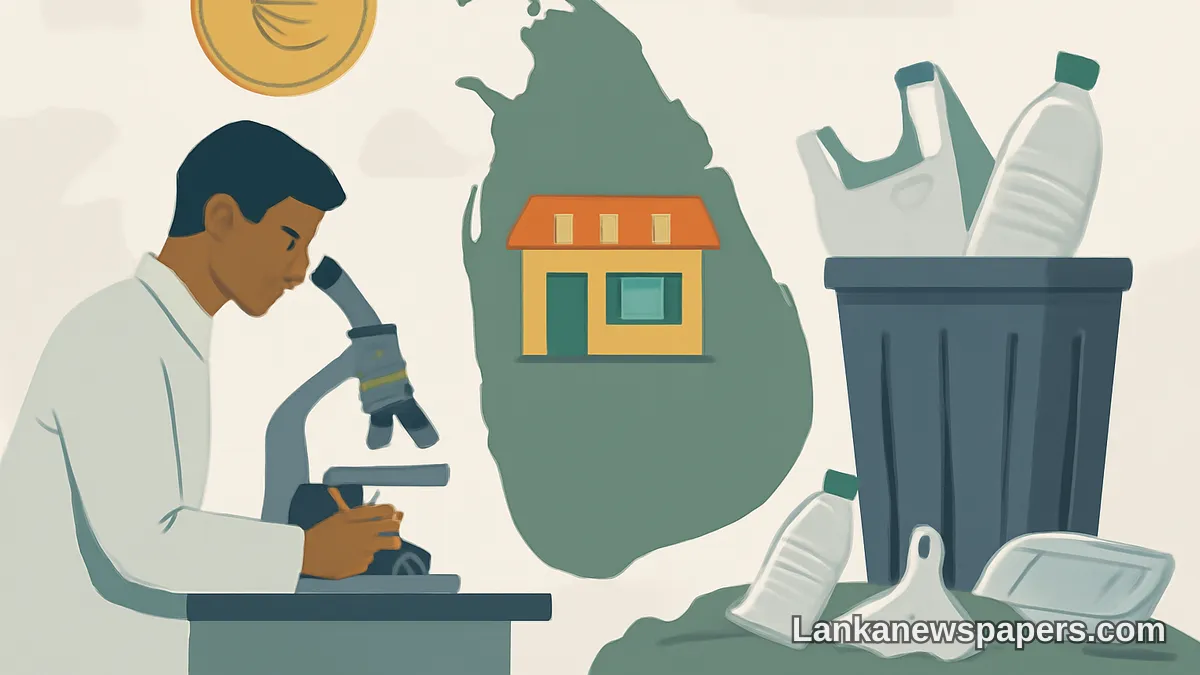
A new research initiative backed by €110,000 in European Union funding is set to shed light on the growing plastic waste problem within Sri Lanka's food sector, addressing critical gaps in knowledge about how single-use plastics flow through local food value chains.
Understanding the Scale of the Problem
Despite plastic pollution being an increasingly urgent concern across Sri Lanka, significant gaps remain in data and understanding regarding where single-use plastics are introduced, how they move through the food supply chain, and at which points targeted interventions could deliver the greatest positive impact.
The food sector, in particular, has emerged as a major contributor to plastic waste generation, with packaging materials, containers, and single-use items accumulating at alarming rates across markets, processing facilities, and retail outlets island-wide.
EU Support Drives Local Research Agenda
The European Union-funded project aims to generate evidence-based insights that can inform policy decisions and practical strategies for reducing plastic dependency across Sri Lanka's food industry. By mapping how plastics enter and exit various stages of the food value chain, researchers hope to identify the most effective entry points for meaningful change.
The initiative reflects a broader global push to understand and combat plastic pollution at a sectoral level, recognising that blanket approaches to waste reduction are often less effective than targeted, data-driven interventions.
Why This Research Matters for Sri Lanka
Sri Lanka has already taken legislative steps in recent years to curb plastic use, including bans on certain single-use plastic items. However, enforcement challenges and the absence of comprehensive data on plastic flows within specific industries have hampered progress.
- Single-use plastics remain deeply embedded in food packaging and distribution practices across the country.
- Informal food supply networks make tracking plastic movement particularly difficult.
- Consumer behaviour and market infrastructure continue to drive demand for convenient plastic packaging.
By generating granular data on plastic usage patterns within the food sector, this research project could provide the evidence base needed to support stronger regulation, encourage private sector innovation, and empower communities to adopt more sustainable alternatives.
A Step Towards Sustainable Food Systems
Analysts and environmental advocates have long called for sector-specific research to complement broader national waste management strategies. This EU-funded initiative represents a timely and welcome contribution to that effort, with findings expected to carry implications not only for Sri Lanka but potentially for other developing nations grappling with similar challenges in managing plastic waste within their food economies.
Further details on the research timeline, partnering institutions, and expected outputs are anticipated to be released as the project gets underway.



💬 Join the Discussion 3
See what readers are saying — and add your view.
who is actually going to implement the findings after the research finishes?
110,000 euros and the research hasnt even started yet. typical.
at least someone is doing something no? goverment wont touch this topic.