Supreme Court Rules Against Unilever Sri Lanka in VAT Dispute Over Signal and Vim Manufacturing
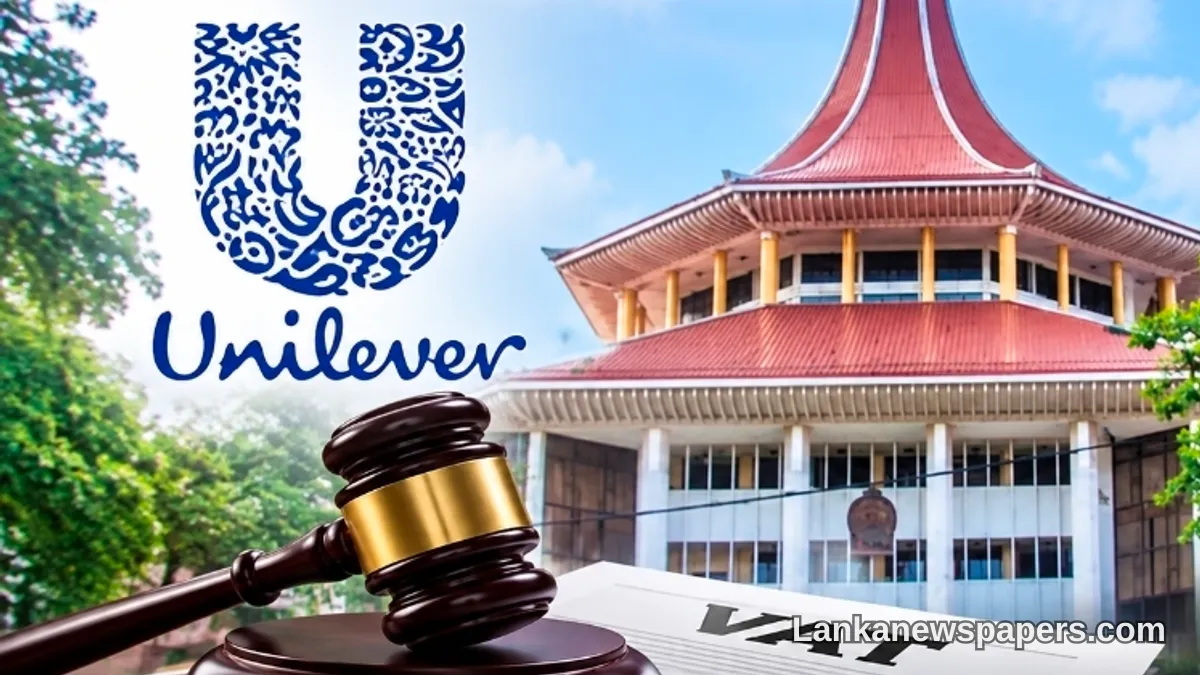
Unilever Sri Lanka Limited has suffered a significant legal setback after the Supreme Court dismissed the multinational consumer goods giant's appeal in a protracted Value Added Tax dispute relating to the outsourced production of two of its most well-known brands — Signal toothpaste and Vim cleaning products.
A Long-Running Legal Battle Reaches Its Conclusion
The Supreme Court's decision brings to a close what has been a lengthy legal confrontation between one of Sri Lanka's most prominent fast-moving consumer goods companies and tax authorities. The court's ruling against Unilever Sri Lanka signals a firm stance on VAT obligations connected to third-party or outsourced manufacturing arrangements.
Unilever Sri Lanka, the local arm of the global consumer goods conglomerate, had challenged the VAT assessment levied against it, arguing its case through the lower courts before ultimately appealing to the country's apex court. That final appeal has now been dismissed, leaving the company liable under the original tax determination.
Outsourced Production at the Heart of the Dispute
The crux of the dispute centred on Unilever's arrangement of outsourcing the manufacturing of Signal and Vim — household names across Sri Lanka — to third-party producers. Tax authorities took the position that such outsourced production arrangements attracted VAT liability, a position that has now been upheld by the Supreme Court.
The case raises important questions for other multinational and local companies operating in Sri Lanka that rely on contract or outsourced manufacturing models, as the ruling could have broader implications for how VAT is assessed across similar business structures in the country.
Implications for the Corporate Sector
Legal and business analysts are likely to view this ruling as a landmark precedent in Sri Lanka's corporate tax landscape. Companies that outsource production while retaining brand ownership may now need to reassess their VAT compliance frameworks in light of the court's decision.
- The dispute involved VAT obligations tied to outsourced manufacturing of Signal toothpaste and Vim cleaning products.
- Unilever Sri Lanka's appeal was dismissed by the Supreme Court.
- The ruling could affect other companies with similar third-party production arrangements.
Unilever Sri Lanka has not yet issued a public statement in response to the Supreme Court's ruling. The Department of Inland Revenue, which oversees VAT administration in the country, is yet to formally comment on the outcome of the case.
As Sri Lanka continues to strengthen its tax enforcement mechanisms amid broader fiscal consolidation efforts, this ruling underscores the judiciary's willingness to uphold tax authority determinations even against large corporate entities.



💬 Join the Discussion 2
See what readers are saying — and add your view.
Finally! Big companies must pay taxes like everyone else no?
Exactly. They been avoiding for years while small shops pay full VAT.