Sri Lanka's Economic Growth Falls Short of Expectations Amid Middle East Tensions
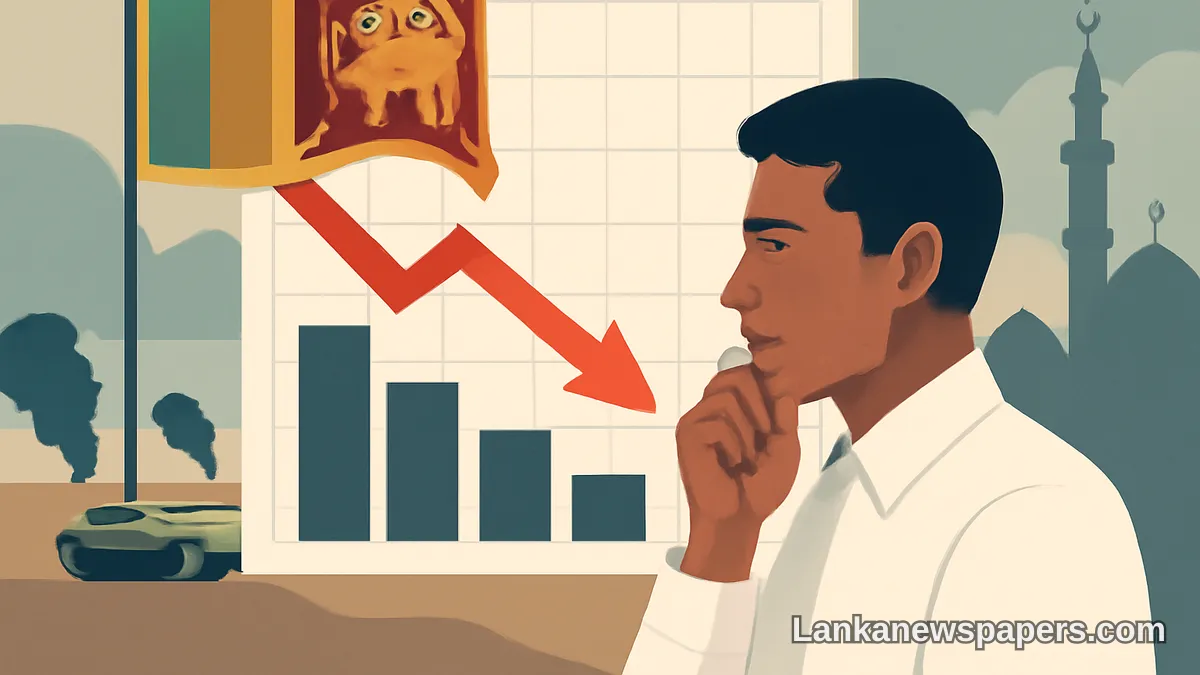
Sri Lanka's economy has underperformed against projected growth targets, with the ongoing crisis in the Middle East emerging as a significant contributing factor to the shortfall, according to recent data.
Growth Targets Left Unmet
The island nation's economic expansion failed to meet forecasts, raising fresh concerns among analysts and policymakers who had hoped for a stronger recovery following the country's severe financial crisis in recent years. The miss signals that Sri Lanka's path to economic stabilisation remains fragile and susceptible to external shocks.
Middle East Conflict Casts a Shadow
The escalating conflict in the Middle East has dealt a measurable blow to Sri Lanka's growth momentum. The crisis has disrupted key economic channels that the country depends upon, including:
- Remittances from Sri Lankan workers employed across Gulf nations
- Trade and shipping routes affected by regional instability
- Rising fuel and commodity prices driven by supply chain disruptions
Sri Lanka has a substantial migrant worker community based in Middle Eastern countries, and any turbulence in that region tends to have a direct and tangible impact on household incomes and foreign exchange inflows back home.
A Recovery Under Pressure
Sri Lanka has been working to rebuild its economy following the unprecedented economic collapse of 2022, which led to fuel shortages, soaring inflation, and widespread public unrest. The country secured an International Monetary Fund bailout programme and has since undertaken a series of fiscal reforms aimed at restoring stability and investor confidence.
However, the latest growth figures serve as a reminder that the recovery remains vulnerable to forces beyond the country's control. External geopolitical developments continue to pose risks to an economy still finding its footing.
Outlook Remains Cautious
Economists warn that sustained instability in the Middle East could continue to weigh on Sri Lanka's near-term economic performance. Policymakers will need to carefully navigate these headwinds while maintaining the reform commitments tied to its IMF programme.
Despite the setback, authorities remain focused on keeping the recovery on track, with fiscal discipline and export growth identified as critical pillars for sustaining forward momentum in the months ahead.


💬 Join the Discussion 2
See what readers are saying — and add your view.
always some excuse no. yesterday Russia today Middle East tomorrow what?
exactly men, never our goverment's fault is it