How a Sri Lankan Tea Giant is Trying to Transform the Way India Drinks Its Own Brew
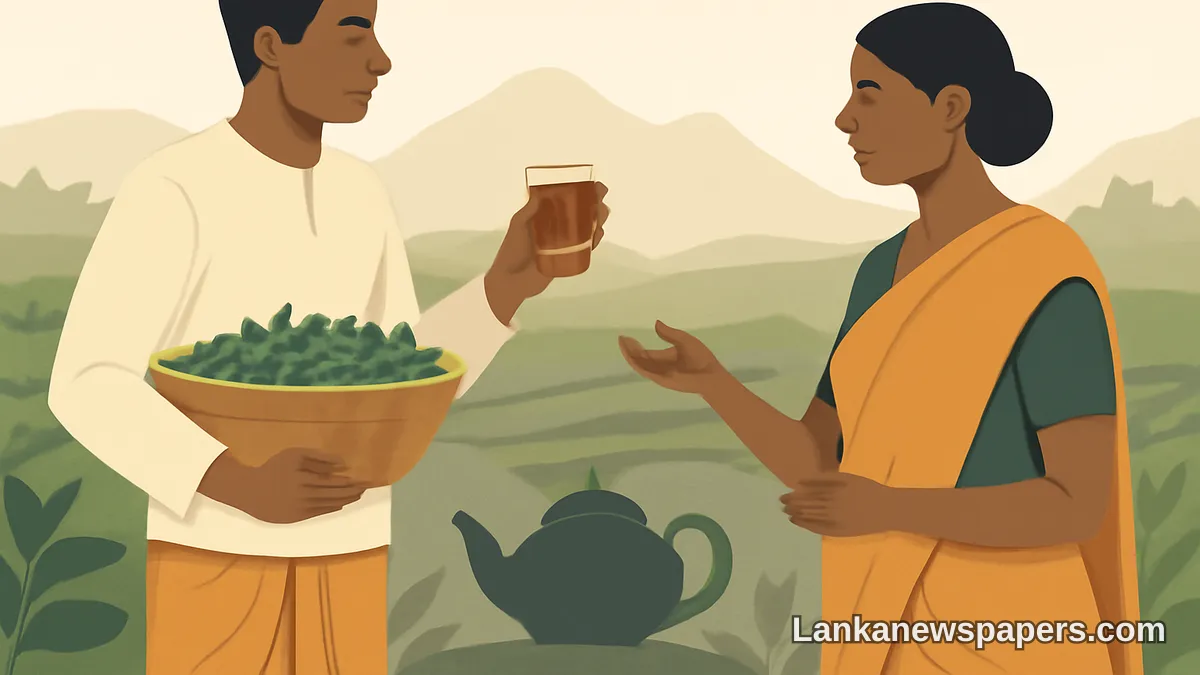
Sri Lanka has long been synonymous with world-class tea, and now a Sri Lankan company is setting its sights on one of the most ambitious markets imaginable — India itself, the birthplace of some of the planet's most celebrated teas.
A Bold Move Into India's Tea Culture
In a move that turns conventional wisdom on its head, a Sri Lankan tea enterprise is pushing into the Indian market with a bold proposition: teaching Indians to appreciate and consume their own country's tea in new and more refined ways. It is a strategy that is as audacious as it is fascinating, given that India is one of the world's largest tea producers and consumers.
Despite India's deep-rooted relationship with tea — from the misty estates of Darjeeling to the lush gardens of Assam — the Sri Lankan company believes there is an untapped opportunity in how the beverage is positioned, packaged, and presented to the modern Indian consumer.
Ceylon Expertise Meets Indian Ambition
Sri Lanka's tea industry, built around the globally recognised Ceylon Tea brand, has cultivated decades of expertise in processing, branding, and marketing tea to discerning international audiences. It is precisely this know-how that the company intends to bring across the Palk Strait.
The strategy appears to focus on premiumisation — encouraging Indian consumers, particularly younger and urban demographics, to move beyond commodity tea and embrace higher-quality, better-branded products derived from India's own rich tea-growing regions.
- India produces over 1.3 billion kilograms of tea annually, yet domestic consumption habits have traditionally favoured loose, unbranded varieties.
- Premium and branded tea segments in India have been growing steadily, driven by rising disposable incomes and evolving tastes.
- Sri Lanka's Ceylon Tea commands strong international recognition, giving its companies valuable branding credentials.
An Unusual but Logical Play
At first glance, a Sri Lankan company entering India's tea market may seem counterintuitive. India hardly needs lessons in growing tea. However, the distinction the company appears to be drawing is not about cultivation — it is about culture and commerce.
The opportunity lies not in the leaf itself, but in how it is valued, presented, and consumed by the people who have grown it for generations.
By leveraging Sri Lanka's reputation for tea excellence and applying it to Indian-origin teas, the company is betting that Indian consumers will respond to a fresh, premiumised narrative around their homegrown product.
What This Means for the Region
For Sri Lanka, which has faced significant economic headwinds in recent years, the expansion of its tea sector enterprises into neighbouring markets represents an encouraging sign of commercial resilience and innovation. The tea industry remains one of Sri Lanka's most vital export earners and a cornerstone of its economic recovery efforts.
For India, the entry of a well-regarded regional player could serve as a catalyst for greater domestic appreciation of Indian tea heritage — an outcome that would ultimately benefit growers, brands, and consumers alike across the subcontinent.
Whether Indian consumers will embrace the concept remains to be seen, but the Sri Lankan company's gamble underscores a broader truth: in today's competitive beverage market, origin alone is never enough. It is the story you tell around it that makes all the difference.



💬 Join the Discussion 0
Be the first to share your view on this story.