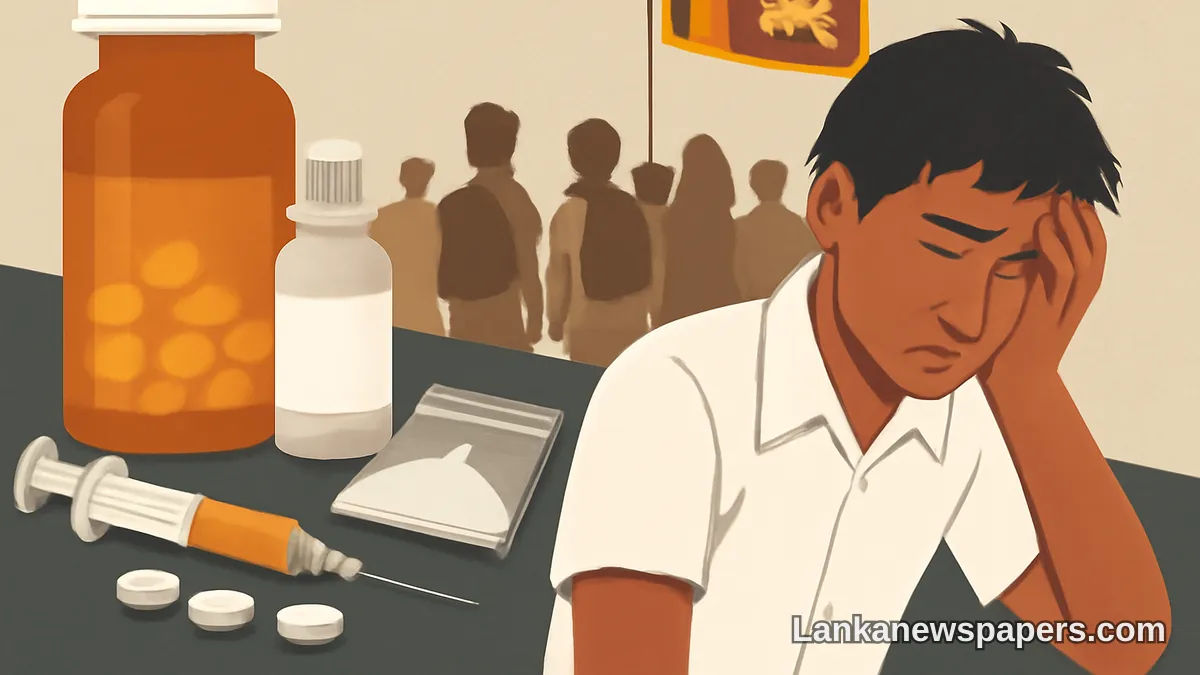
Alarming Scale of School Dropouts Linked to Drug Abuse
Sri Lanka is facing a deepening educational crisis, with a staggering 265,000 students having abandoned their schooling as a direct consequence of drug abuse, according to newly surfaced figures that have sent shockwaves through education and health circles across the country.
A Crisis Cutting Across Communities
The scale of the problem underscores what many experts and community leaders have long warned — that the island's growing drug epidemic is no longer confined to street corners and adult populations. It has infiltrated school compounds, affecting children and adolescents at their most formative years, robbing them of education and opportunity.
The figure of 265,000 dropouts represents not merely a statistic, but hundreds of thousands of individual futures derailed, families fractured, and communities weakened by the reach of substance abuse into Sri Lanka's youngest generation.
Broader Consequences for Sri Lanka's Future
Education analysts warn that school dropouts linked to drug use create a compounding cycle that is difficult to break. Without formal qualifications, affected youth face severely limited employment prospects, increasing the likelihood of deeper involvement in criminal activity and sustained substance dependency.
- Lost educational attainment reduces lifetime earning potential for affected individuals
- Communities with high dropout rates face greater social instability
- The national workforce pipeline is weakened when large numbers of young people exit education prematurely
- Rehabilitation pathways for youth caught in drug dependency remain critically underfunded
Calls for Urgent Government Action
The revelation is expected to intensify pressure on the government to accelerate anti-drug initiatives, particularly those targeting schools and youth populations. Advocates have long called for a dual approach — aggressive enforcement against drug networks that prey on school communities, alongside compassionate rehabilitation programmes that give affected students a credible pathway back into education and society.
Sri Lanka cannot afford to write off an entire generation to the drug epidemic. Every dropout represents a preventable tragedy that demands an immediate and coordinated national response.
With Sri Lanka already navigating significant economic and social pressures, the added burden of a youth drug crisis threatening the country's human capital reserves makes this an issue that policymakers can no longer afford to treat as peripheral. Swift, sustained, and well-resourced intervention has never been more urgently needed.



💬 Join the Discussion 0
Be the first to share your view on this story.