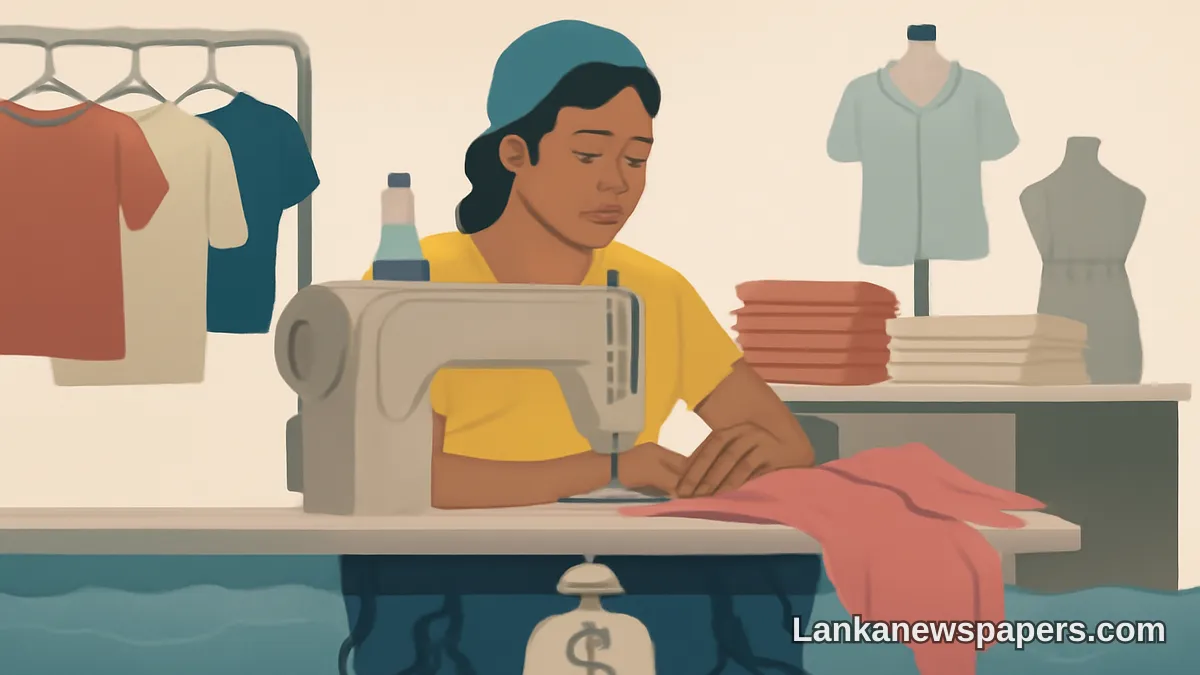
Sri Lanka's apparel sector continues to command impressive export figures measured in billions of US dollars, yet industry analysts warn that these headline numbers conceal a range of structural weaknesses that could threaten the sector's long-term stability and competitiveness.
A Sector Built on Uncertain Ground
While the garment and textile industry remains one of Sri Lanka's most significant foreign exchange earners and a cornerstone of the national economy, experts caution that the robust revenue figures presented year after year paint an incomplete picture. Beneath the glossy export statistics lie vulnerabilities that, if left unaddressed, could erode the industry's position in an increasingly competitive global marketplace.
The sector employs hundreds of thousands of Sri Lankans, the vast majority of whom are women, and its fortunes are closely tied to the livelihoods of families across the island. This social weight makes any structural weakness within the industry a matter of national concern, not merely a commercial one.
Key Vulnerabilities Identified
- Heavy dependence on a narrow base of major buying markets, leaving the industry exposed to shifting trade policies and geopolitical tensions.
- Persistent challenges in moving up the value chain beyond cut-and-sew manufacturing toward higher-margin design and innovation-led production.
- Rising production costs, including energy and labour, squeezing margins at a time when global buyers continue to demand competitive pricing.
- Vulnerability to external shocks such as economic downturns in key export destinations, as demonstrated during the COVID-19 pandemic when order cancellations devastated the sector.
- Inadequate investment in workforce skills development and technology modernisation, limiting productivity gains.
The Risk of Complacency
Industry observers note that consistently strong export earnings can breed a degree of complacency among policymakers and business leaders alike. When the numbers look good on paper, the urgency to reform and innovate tends to diminish — a dangerous posture in a sector where regional competitors such as Bangladesh, Vietnam, and Cambodia are aggressively expanding their capacity and capabilities.
Strong export figures can mask the slow erosion of competitiveness. The industry must look beyond quarterly revenue reports and confront the structural issues that threaten its future.
Calls for Strategic Reform
Stakeholders within the apparel sector are calling on both the government and private industry leaders to pursue a more forward-looking strategy. This includes targeted investment in sustainable manufacturing practices, as global buyers increasingly require environmental compliance as a condition of doing business. Sri Lanka's reputation for ethical production is a genuine competitive advantage, but it must be actively maintained and strengthened.
There are also calls for greater diversification of export markets beyond the European Union and the United States, which together absorb the lion's share of Sri Lankan garment exports. Building relationships with emerging markets could provide a buffer against disruptions in any single destination.
The Path Forward
Sri Lanka's apparel industry has demonstrated remarkable resilience over the decades, surviving economic crises, political instability, and global disruptions. However, resilience alone is not sufficient to guarantee future growth. Industry leaders and government officials must work together to translate the sector's strong revenue base into a platform for meaningful structural reform — ensuring that the billions earned today lay the groundwork for a more secure and dynamic industry tomorrow.
Without honest acknowledgement of the vulnerabilities that lie beneath the surface, the apparel sector risks mistaking current success for permanent security — a miscalculation that Sri Lanka's economy cannot afford.



💬 Join the Discussion 2
See what readers are saying — and add your view.
workers getting paid peanuts while the industry shows billions. nothing new
exactly. who is actually benefiting from all this?