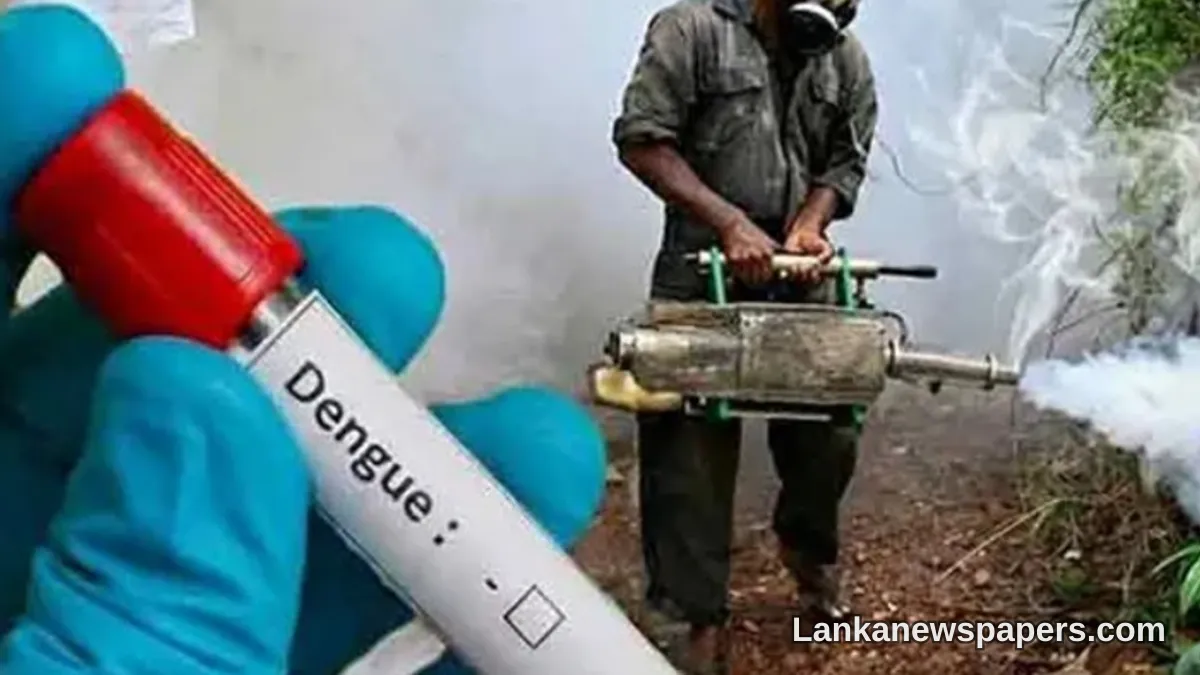
Health authorities are urging Sri Lankans not to let their guard down against dengue fever, even as the number of reported cases has shown a recent decline. A senior medical specialist attached to the National Dengue Unit has issued a clear warning that the reduction in patient numbers should not be misread as a sign that the danger has passed.
Expert Sounds the Alarm
Consultant Specialist at the National Dengue Unit, Dr. Prashila Samaraweera, stressed that the current dip in dengue cases does not mean the disease is under control or that communities can afford to become complacent. The risk of transmission remains present, and conditions across many parts of the country continue to be conducive to the spread of the mosquito-borne illness.
Why Vigilance Still Matters
Dengue fever, transmitted through the bite of the Aedes aegypti mosquito, has long been a significant public health concern in Sri Lanka, with seasonal fluctuations in case numbers often giving a misleading impression of the overall threat. Health officials have repeatedly highlighted that brief downturns in reported infections can quickly reverse if preventive measures are neglected.
Key risk factors that continue to concern health authorities include:
- Stagnant water collecting in discarded containers, tyres, and household items, providing ideal breeding grounds for mosquitoes
- Inadequate waste disposal practices in both urban and rural areas
- Reduced community awareness and action during periods when case numbers appear low
- Ongoing environmental conditions that support mosquito breeding throughout much of the year
Public Urged to Take Action
Dr. Samaraweera and colleagues at the National Dengue Unit are calling on households, local authorities, and community organisations to maintain active prevention efforts. This includes regularly inspecting and clearing potential mosquito breeding sites around homes, workplaces, and public spaces.
Health officials emphasise that dengue prevention is a shared responsibility, and that consistent community participation is the most effective tool in keeping the disease in check.
Residents displaying symptoms such as sudden high fever, severe headaches, pain behind the eyes, muscle and joint pain, or skin rashes are strongly encouraged to seek medical attention promptly rather than waiting for symptoms to worsen.
A Year-Round Concern
Sri Lanka has historically recorded dengue outbreaks throughout the year, with peaks often associated with the monsoon seasons when rainfall creates abundant standing water. Health authorities warn that with changing weather patterns and growing urban populations, the window of vulnerability for dengue transmission has effectively widened, making year-round vigilance more important than ever.
The National Dengue Unit continues to monitor the situation closely and is working alongside regional health departments to ensure a coordinated response should case numbers begin to rise again.



💬 Join the Discussion 4
See what readers are saying — and add your view.
my cousin got dengue last month, dont take this lightly ppl
at least they giving warning early, better than nothing no?
every year same warning, but drains still blocked in our area
exactly, goverment talks only, no action on the ground