Sri Lanka Plans Mandatory Licensing Regime for Teachers and Education Professionals
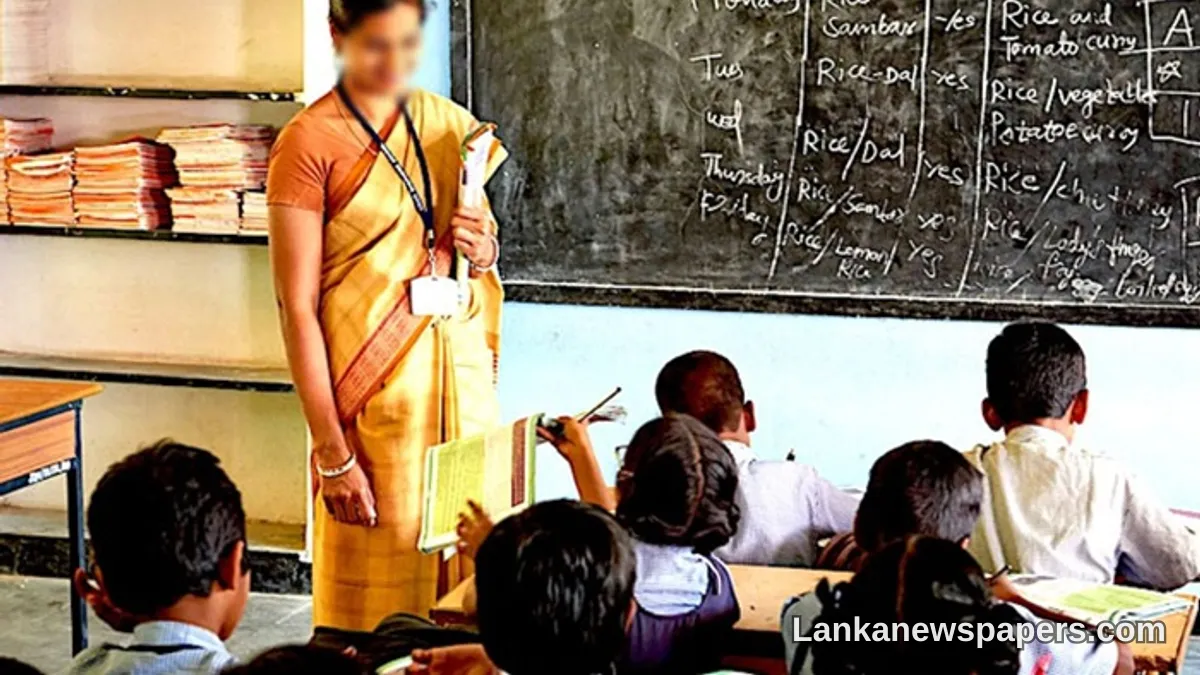
Sri Lanka is moving towards establishing a mandatory registration and professional licensing system for teachers and other education sector professionals, in a significant overhaul aimed at raising the quality of the country's education workforce.
A New Framework for the Profession
Under the planned system, education professionals would be required to obtain official licences in order to practise, marking a major shift from the current arrangements. The initiative is designed to introduce greater accountability and set clearer quality benchmarks across the sector.
The move reflects growing recognition among policymakers that strengthening professional standards within the teaching workforce is essential to improving educational outcomes for students at all levels.
What the System Could Mean
- Teachers and education professionals would be subject to formal registration requirements
- Licences would serve as a recognised mark of professional standing and competence
- The framework is expected to introduce structured quality controls across the education sector
Wider Implications
If implemented, the licensing regime would place Sri Lanka's teaching profession on a more formalised footing, similar to regulatory structures that exist in other professional fields. Education stakeholders and teachers' unions are expected to play a role in shaping the final framework as discussions progress.
Further details regarding the scope, implementation timeline, and the regulatory body responsible for overseeing the new system are yet to be formally announced.


💬 Join the Discussion 3
See what readers are saying — and add your view.
What happens to teachers already serving 20 plus years? They need relicensing too?
Finally some accountability for teachers. Long overdue honestly.
Accountability yes but who is going to run this system? Another useless goverment body?