India's IMF Intervention Was Sri Lanka's Lifeline During Crisis, Says Former Finance Minister Ali Sabry
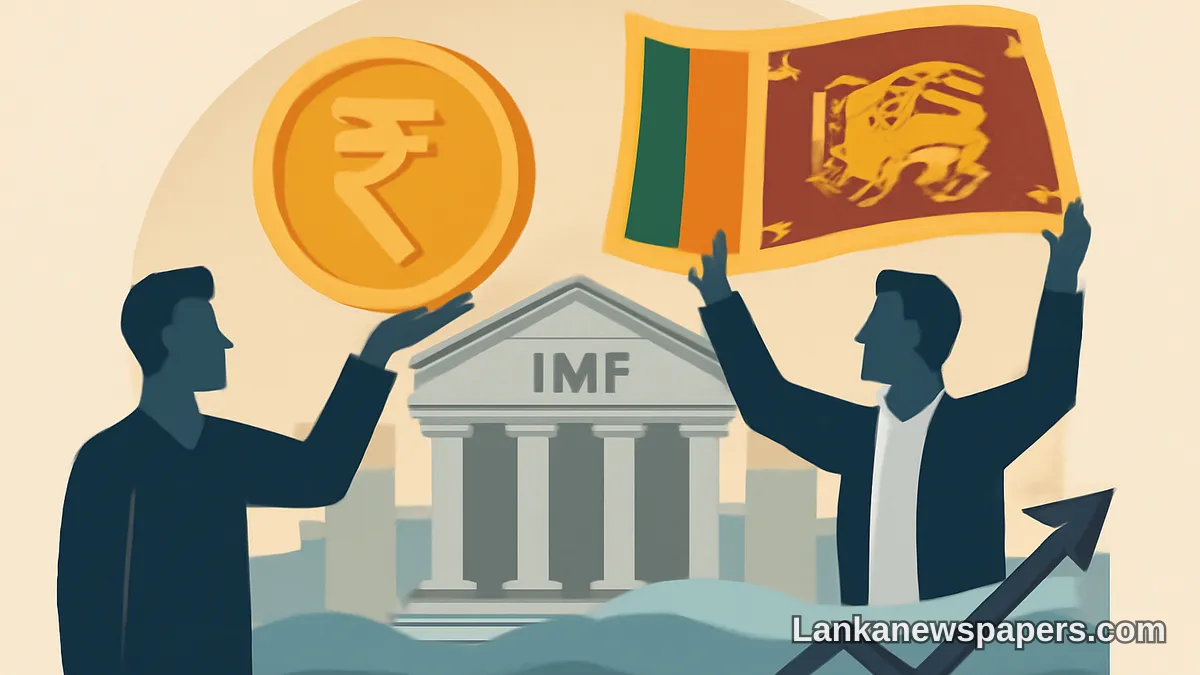
Former Finance Minister Ali Sabry has credited India's decisive intervention with the International Monetary Fund as a pivotal factor that prevented Sri Lanka from sliding into complete economic collapse during the island nation's worst financial crisis in decades.
A Critical Moment in Sri Lanka's Economic History
Speaking publicly on the matter, Sabry emphasised that India's backing at the IMF level came at an extraordinarily critical juncture, when Sri Lanka was teetering on the edge of total economic failure. Without that timely support, the former minister suggested, the consequences for ordinary Sri Lankans could have been far more devastating than what was ultimately experienced.
Sri Lanka's economic crisis, which reached its peak in 2022, saw the country grappling with crippling foreign exchange shortages, runaway inflation, lengthy power cuts, and severe shortages of essential goods including fuel, medicine, and food. The crisis triggered unprecedented public protests that eventually led to the resignation and departure of then-President Gotabaya Rajapaksa.
India's Role Highlighted
Sabry's remarks shine a spotlight on the behind-the-scenes diplomatic and financial support extended by neighbouring India, which was among the first countries to step forward with emergency assistance to Colombo. India provided billions of dollars in credit lines and other financial support mechanisms during the height of the crisis.
According to Sabry, India's influence in facilitating Sri Lanka's engagement with the IMF proved equally significant, helping to unlock the pathway toward a formal bailout programme that would eventually stabilise the country's battered finances.
IMF Bailout Programme
Sri Lanka secured a nearly three-billion-dollar Extended Fund Facility arrangement with the IMF, which set the country on a structured path toward economic recovery. The programme came with stringent conditions, including tax reforms, reduction of fiscal deficits, and state-owned enterprise restructuring — measures that placed considerable burden on the public but were deemed necessary to restore macroeconomic stability.
The former minister's acknowledgement of India's role underscores the broader geopolitical dimensions of Sri Lanka's recovery, highlighting how regional relationships and international diplomacy played a role alongside domestic policy decisions in steering the country back from the brink.
Looking Ahead
While Sri Lanka has made measurable progress in stabilising its economy — with foreign reserves gradually recovering and inflation falling from historic highs — economists and policymakers continue to stress that the road to full recovery remains long and requires sustained commitment to reform.
Sabry's comments serve as a reminder of the fragile circumstances under which Sri Lanka navigated one of its darkest economic chapters, and the importance of international partnerships in crisis management.
💬 Join the Discussion 2
See what readers are saying — and add your view.
India helped yes but dont forget they also have their own interests no
exactly, nothing is free in politics machan