South Korea Moves Towards Mandatory Military Service for Women Amid Population Crisis
Demographic Pressures Drive Historic Policy Shift
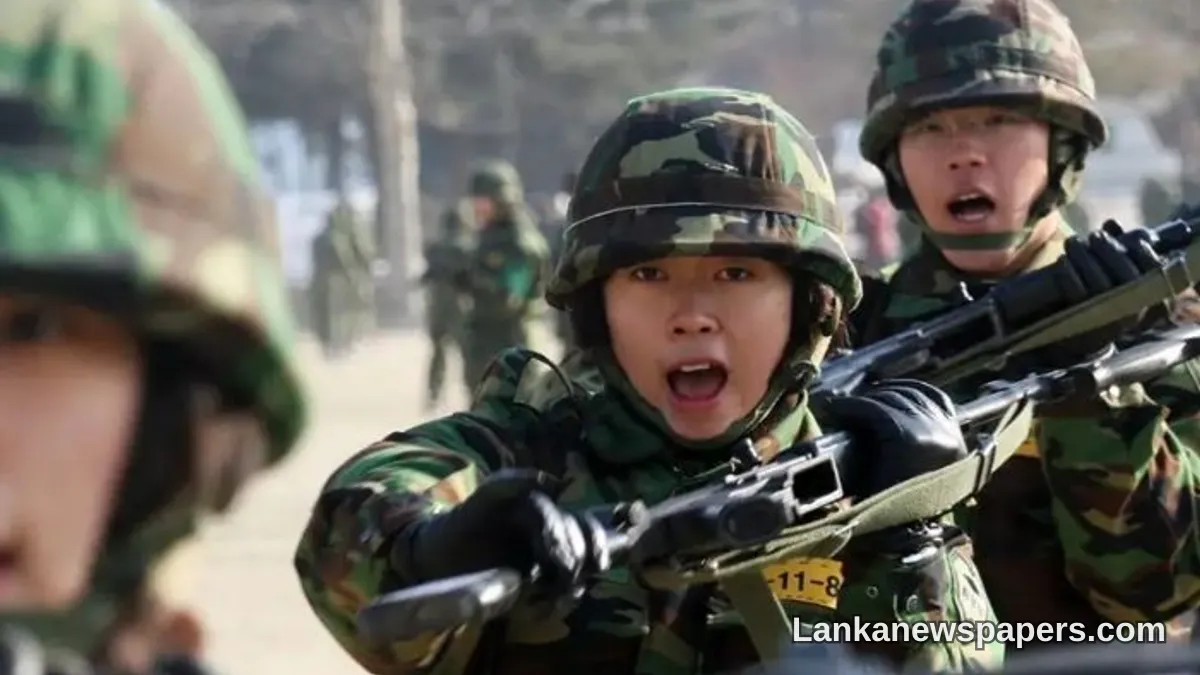
South Korea is edging closer to a landmark decision that could see women conscripted into mandatory military service, as the country grapples with a rapidly shrinking population and a steadily declining pool of eligible male recruits.
A Nation Facing a Manpower Shortage
For decades, South Korea has maintained one of Asia's most stringent mandatory military service systems, requiring able-bodied men to serve in the armed forces for approximately 18 to 21 months. However, with birth rates plummeting to record lows, defence planners are warning that the current conscription model — which draws exclusively from the male population — will no longer be sufficient to sustain the country's military readiness in the years ahead.
Military officials and policymakers have begun openly discussing the extension of conscription obligations to women, a move that would represent a fundamental transformation of South Korean society and its defence framework.
Equality Arguments Gain Ground
Beyond the practical necessity of filling troop numbers, advocates for the change argue that extending mandatory service to women is a matter of social fairness. South Korea's current system has long been criticised for placing a disproportionate burden on men, who are required to pause their education and careers to fulfil their service obligations.
Proponents of gender-inclusive conscription argue that if national defence is a shared responsibility, the duty to serve should not fall along gender lines alone.
Women currently serve in the South Korean military on a voluntary basis, and many have risen to prominent roles within the armed forces. However, mandatory service for women remains a contentious and politically sensitive proposal.
Public Opinion Divided
Reaction among the South Korean public has been sharply divided. Supporters of the proposal point to countries such as Norway and Israel, where women are already subject to compulsory military service, as models worth emulating. Critics, however, raise concerns about the practicalities of integrating large numbers of women into military structures, as well as broader questions about societal readiness for such a sweeping change.
- South Korea recorded one of the world's lowest birth rates in recent years, placing long-term pressure on its conscript-based military model.
- The country's armed forces currently number around 500,000 active personnel.
- Norway and Israel are among the few nations that already enforce mandatory military service for women.
A Decision With Far-Reaching Consequences
Any formal move towards female conscription would require significant legislative action and is expected to face robust debate in the South Korean National Assembly. Defence analysts note that even preliminary discussions signal a recognition at the highest levels of government that the status quo is no longer sustainable.
As South Korea navigates this complex intersection of national security, demographic reality, and social equality, the outcome of this debate could set a precedent not only for the Korean Peninsula but for other nations facing similar demographic and defence challenges in the decades ahead.



💬 Join the Discussion 2
See what readers are saying — and add your view.
actually fair no, if men must serve women also should
but who will look after children and families then