Sugar-Free Chewing Gum Sweetener Linked to 57% Higher Risk of Fatal Heart Attack, Study Warns
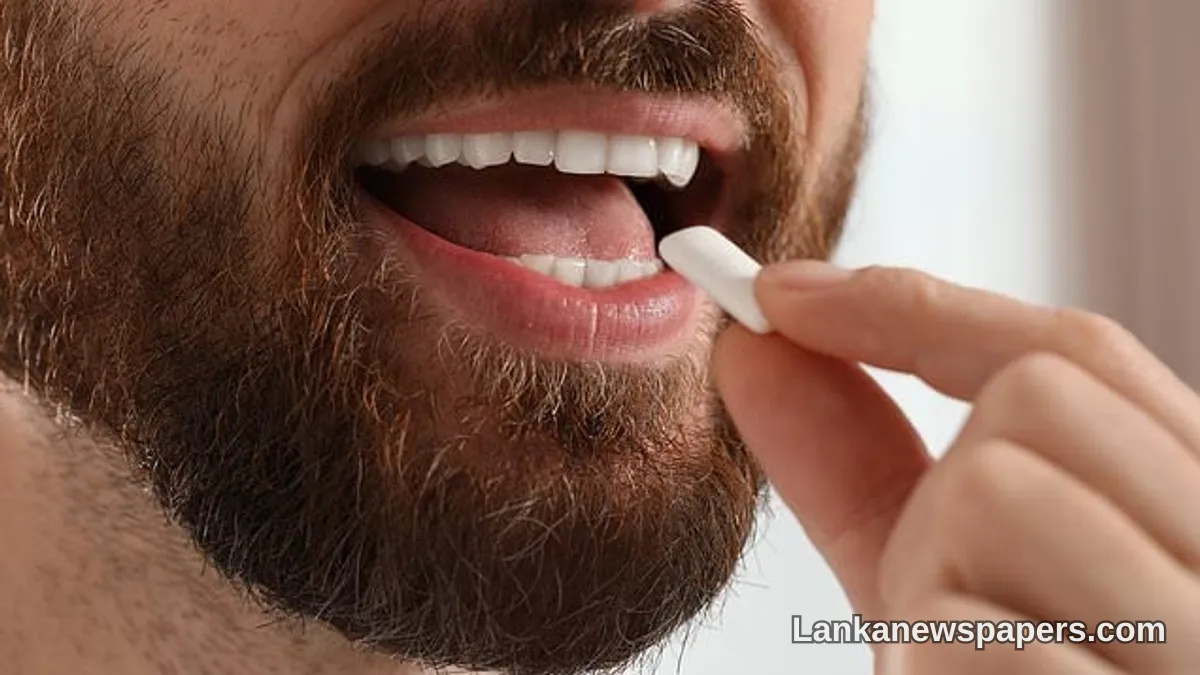
People who regularly chew sugar-free gum may be unknowingly increasing their risk of suffering a fatal heart attack or stroke, according to findings from a new scientific study that has raised fresh concerns about a common artificial sweetener.
What the Research Found
The study suggests that xylitol, a sugar substitute widely used in sugar-free chewing gums, mints, and a range of low-calorie food products, is associated with a 57 per cent elevated risk of experiencing a serious cardiovascular event, including deadly heart attacks and strokes.
Researchers found that individuals with higher levels of xylitol in their bloodstream were significantly more likely to face life-threatening cardiac complications compared to those with lower levels of the substance in their system.
Why This Matters for Everyday Consumers
Sugar-free products have long been marketed as a healthier alternative to their sugar-laden counterparts, particularly for those managing diabetes, obesity, or dental health concerns. Xylitol, in particular, has gained popularity as a natural-seeming sweetener, often appearing in products promoted as tooth-friendly or diabetic-safe.
The new findings, however, challenge that perception and suggest that the long-term cardiovascular implications of regular xylitol consumption may warrant closer scrutiny from both health authorities and consumers alike.
How Xylitol May Affect the Heart
Scientists believe xylitol may promote the clumping of platelets in the blood, a process known as platelet aggregation, which can lead to the formation of dangerous blood clots. These clots, when they block arteries supplying the heart or brain, can trigger heart attacks or strokes.
- Xylitol is commonly found in sugar-free chewing gums and mints
- It is also used in sugar-free baked goods, oral care products such as toothpaste, and certain diabetic-friendly foods
- The sweetener is often derived from birch wood or corn cobs and is considered a natural sugar alcohol
A Call for Caution
Consumers should be aware of what sweeteners are present in the products they use daily, particularly those consumed in significant quantities over long periods of time.
Health experts advising on the study's implications have urged regulatory bodies to revisit safety guidelines surrounding artificial and alternative sweeteners, noting that many such substances were approved based on short-term studies that did not fully evaluate long-term cardiovascular risk.
Relevance to Sri Lankan Consumers
In Sri Lanka, sugar-free products including chewing gums, diet beverages, and low-sugar snacks are increasingly available in supermarkets and pharmacies, often purchased by health-conscious consumers or those managing conditions such as type 2 diabetes. With cardiovascular disease remaining one of the leading causes of death in the country, nutritionists and medical professionals are encouraging the public to read product labels carefully and consult their doctors regarding dietary choices.
While the research does not conclusively prove that xylitol directly causes heart attacks, the strength of the association identified in the study is being taken seriously within the global medical community, with further investigations expected to follow.



💬 Join the Discussion 4
See what readers are saying — and add your view.
everything causes heart attack these days, next they'll say water is dangerous
which sweetener exactly? article doesnt say clearly
been chewing extra all day now scared to death honestly
same bro, threw the whole pack away just now