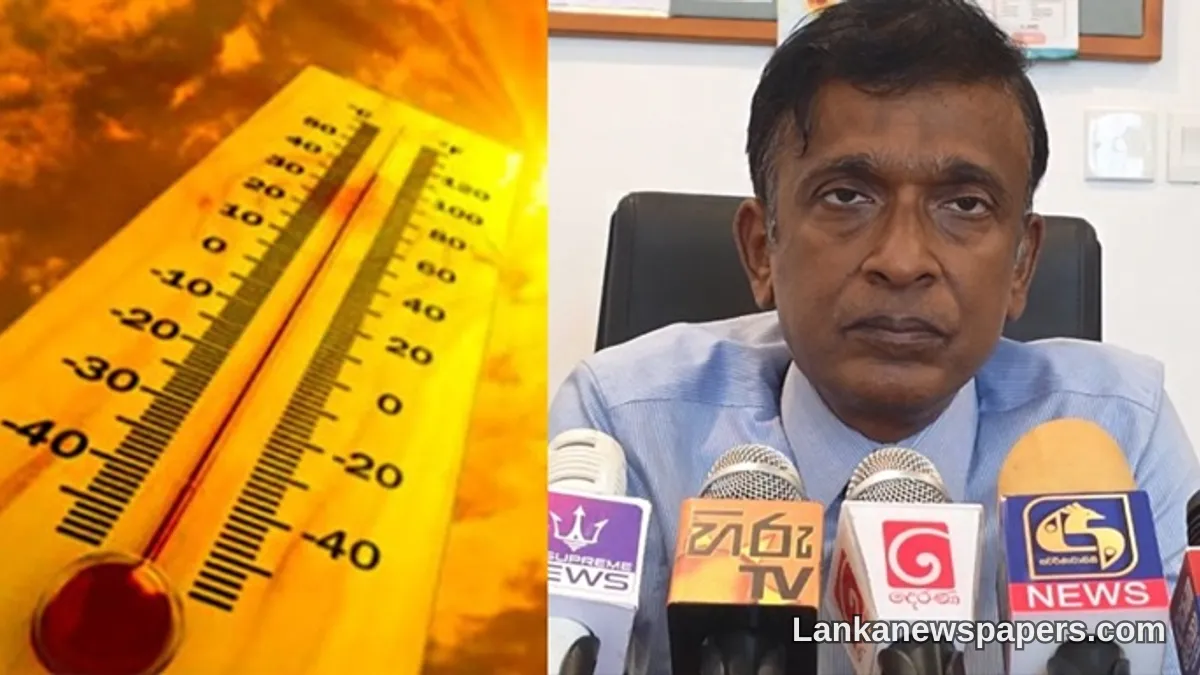
A leading psychiatrist has raised the alarm over the growing impact of extreme heat on mental health in Sri Lanka, warning that the ongoing surge in temperatures linked to the El Niño weather phenomenon is contributing to a rise in psychological distress across the country.
Expert Raises Concern Over Climate-Mental Health Link
Dr. Rumi Ruben, a Consultant Psychiatrist at the Galle National Hospital, highlighted the increasingly evident connection between prolonged hot weather and deteriorating mental health conditions among Sri Lankans. The doctor's warning comes as the island continues to experience intense heat, a trend attributed in large part to the El Niño climate pattern affecting the broader South Asian region.
According to Dr. Ruben, elevated temperatures do not merely cause physical discomfort — they can significantly affect a person's psychological wellbeing, triggering or worsening conditions such as anxiety, irritability, depression, and sleep disorders.
How Heat Affects the Mind
Medical professionals have long acknowledged that extreme heat places stress on the human body, but its impact on mental health is now receiving greater attention. Dr. Ruben noted that disrupted sleep patterns caused by hot nights, combined with physical fatigue and dehydration, can impair cognitive function and emotional regulation.
- Increased irritability and aggression during prolonged heat spells
- Higher rates of anxiety and stress reported among vulnerable populations
- Sleep deprivation linked to sustained high overnight temperatures
- Worsening of pre-existing mental health conditions
The heat is not just a physical challenge — it has a direct and measurable effect on how people think, feel, and behave. We are seeing this reflected in the cases coming through our doors.
Vulnerable Groups at Greater Risk
Dr. Ruben emphasised that certain groups face a heightened risk, including the elderly, outdoor labourers, individuals with pre-existing mental health conditions, and those living in low-income households without access to adequate cooling. Children and pregnant women were also identified as particularly susceptible to the psychological effects of prolonged heat exposure.
A Call for Public Awareness
The psychiatrist urged both the public and health authorities to treat heat-related mental health impacts as a serious public health concern rather than a secondary issue. Dr. Ruben called for greater community awareness, improved access to mental health services, and practical measures such as public cooling centres and public health advisories during periods of extreme heat.
As climate change continues to drive more frequent and intense heat events in Sri Lanka, health experts say the intersection of environmental conditions and mental wellbeing will demand sustained attention from policymakers, medical professionals, and the wider public alike.



💬 Join the Discussion 1
See what readers are saying — and add your view.
this heat is no joke men, cant even sleep properly at night