Engine Fan Blade Failure Caused Window Shattering and Partial Passenger Ejection, US Safety Board Finds
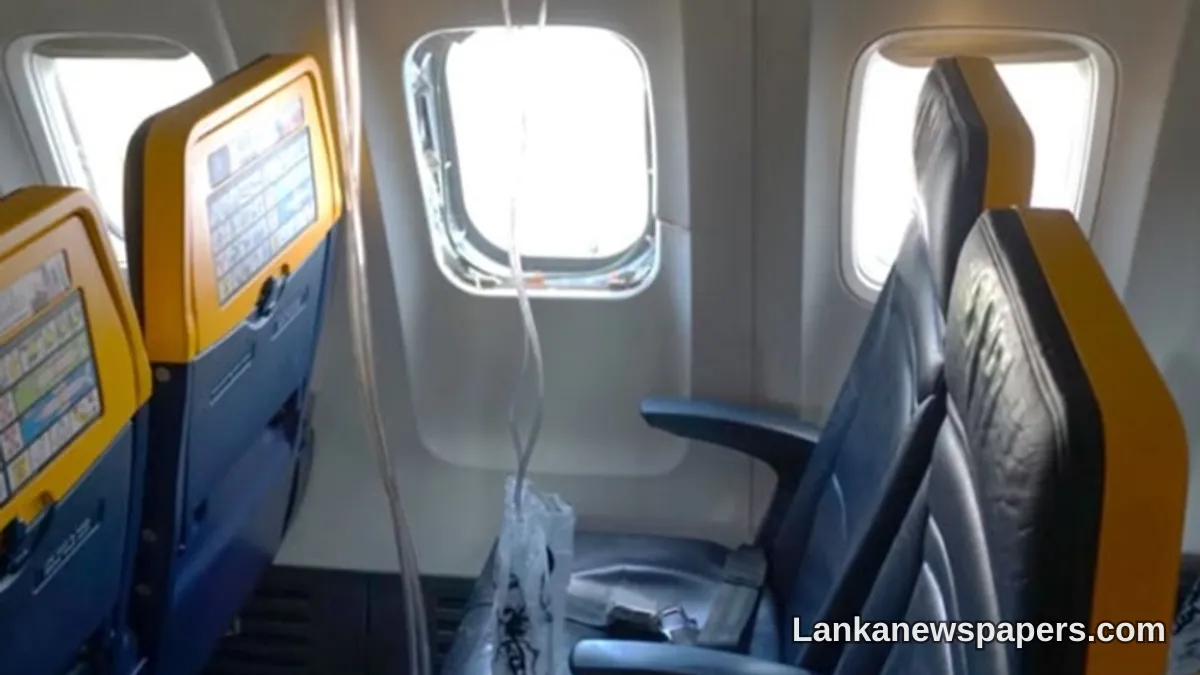
NTSB Concludes Metal Fatigue Behind Deadly Southwest Airlines Incident
United States aviation safety investigators have determined that metal fatigue in an engine fan blade was responsible for a catastrophic mid-air failure that shattered a cabin window and partially ejected a passenger during a commercial flight, according to findings released by the National Transportation Safety Board (NTSB).
What the Investigation Revealed
The NTSB's investigation found that a fan blade fractured due to metal fatigue, sending debris into the fuselage and striking a window. The force of the impact caused the window to break, and a seated passenger was partially pulled through the opening as cabin pressure rapidly changed. The incident resulted in serious injury and raised urgent questions about engine maintenance and inspection standards across the aviation industry.
Investigators noted that the fractured blade exhibited characteristics consistent with long-term metal fatigue, a gradual weakening process that can develop over many cycles of stress and pressure without visible external signs. The failure underscores the critical importance of rigorous and routine inspection of engine components, particularly fan blades that operate under extreme mechanical stress during every flight.
Implications for Aviation Safety
Following the incident, aviation regulators in the United States issued emergency directives requiring accelerated inspections of similar engine types across multiple airlines. Authorities stressed that while such events are rare, the consequences can be severe and even fatal.
- Metal fatigue was identified as the primary cause of the fan blade fracture
- Debris from the blade struck and shattered a cabin window
- A passenger was partially ejected through the broken window opening
- Emergency airworthiness directives were subsequently issued for similar engine models
A Reminder of the Importance of Maintenance Protocols
Aviation safety experts have long warned that metal fatigue remains one of the most difficult hazards to detect in aging aircraft components, as the damage often develops internally and may not be apparent during standard visual checks.
Comprehensive, non-destructive testing methods are essential to identify fatigue cracks before they reach a critical stage, safety analysts have noted in the wake of the investigation's conclusions.
For Sri Lankan travellers and aviation stakeholders, the findings serve as a timely reminder of why international airworthiness standards and thorough maintenance regimes must be strictly upheld. Civil aviation authorities worldwide, including those in Sri Lanka, are expected to review applicable directives to ensure that aircraft operating in their jurisdictions comply with updated inspection requirements.
The NTSB's full report is expected to provide further recommendations aimed at preventing similar incidents in the future.



💬 Join the Discussion 2
See what readers are saying — and add your view.
metal fatigue means they knew and ignored it no? this is negligence
exactly, these things dont happen overnight. someone failed the inspection