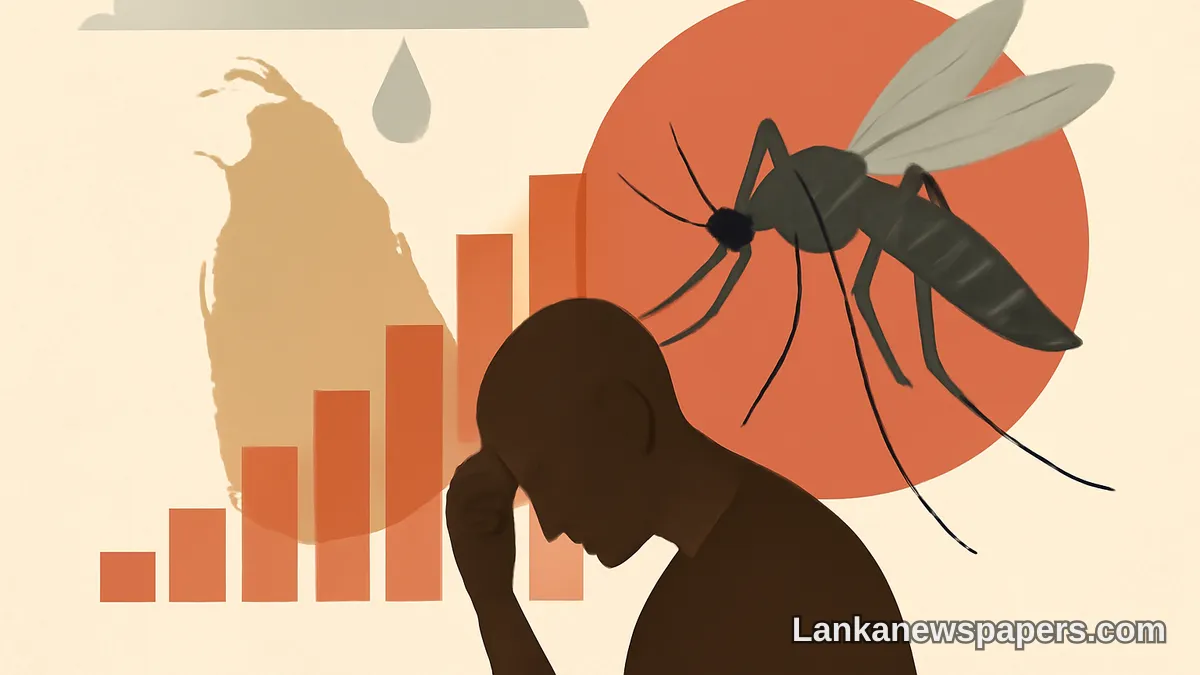
Island-Wide Outbreak Raises Serious Public Health Concerns
Sri Lanka is facing a significant public health challenge in 2026, with dengue fever cases across the island surpassing the 88,000 mark, signalling an alarming escalation in the mosquito-borne disease's spread.
The figure, which reflects reported cases recorded throughout the country this year, has prompted growing concern among health authorities and medical professionals, who are urging the public to take immediate preventive action.
A Nationwide Problem Demanding Urgent Attention
Dengue fever, transmitted through the bite of the Aedes mosquito, remains one of Sri Lanka's most persistent public health threats. The disease can cause severe flu-like symptoms and, in its more dangerous form, dengue haemorrhagic fever, can prove fatal if left untreated.
Health officials have consistently warned that stagnant water in and around homes, workplaces, and public spaces serves as a primary breeding ground for the Aedes mosquito, and that eliminating such conditions is critical to controlling outbreaks.
What the Public Can Do
Authorities continue to remind Sri Lankan residents of the key steps they can take to reduce the risk of dengue transmission, including:
- Regularly emptying and cleaning containers that collect water, such as flower pots, buckets, and tyres
- Ensuring water storage tanks and barrels are properly covered at all times
- Using mosquito repellent and wearing long-sleeved clothing, particularly during early morning and evening hours
- Seeking immediate medical attention upon experiencing symptoms such as high fever, severe headache, pain behind the eyes, or skin rashes
A Recurring Crisis
Sri Lanka has battled recurring dengue outbreaks for decades, with case numbers typically spiking during and after the monsoon seasons when rainfall creates widespread pools of stagnant water. The scale of the 2026 outbreak underscores the need for sustained community-level efforts and coordinated government action to bring the situation under control.
Health authorities are expected to continue monitoring the situation closely as the year progresses, with community awareness campaigns remaining a central pillar of the national response strategy.



💬 Join the Discussion 0
Be the first to share your view on this story.