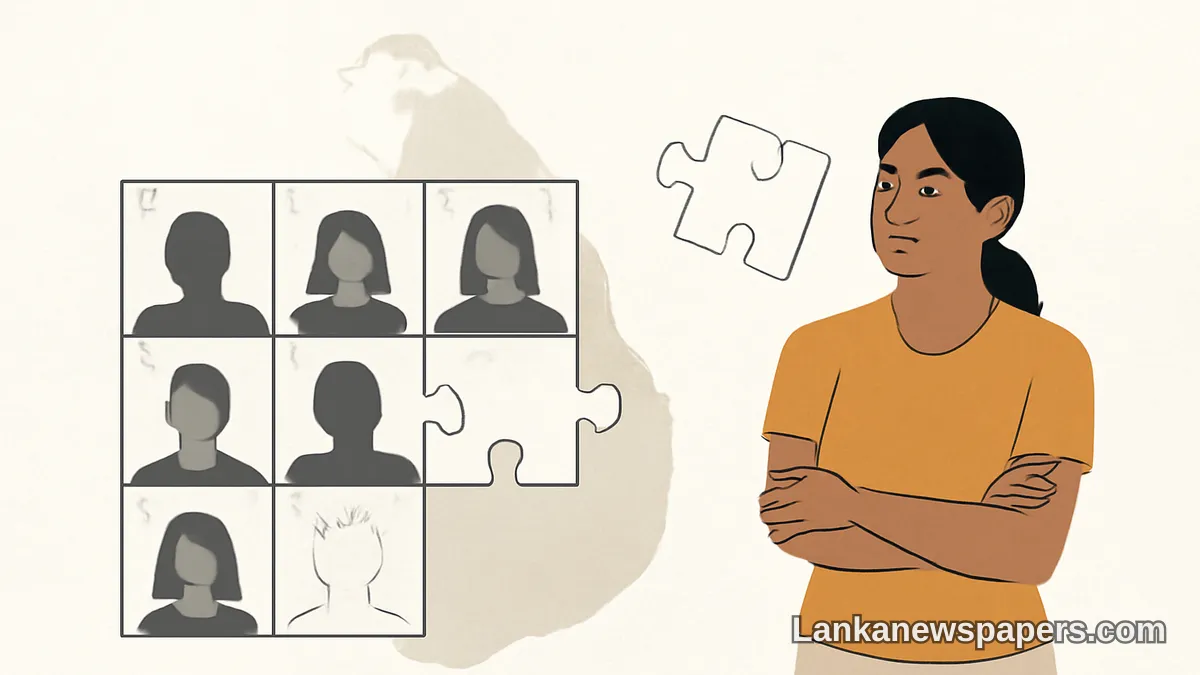
A Persistent Gap That Demands Attention
Sri Lanka prides itself on strong female literacy rates and relatively high educational attainment among women — yet a striking contradiction persists. Across the island, a significant proportion of working-age women remain outside the formal labour force, raising urgent questions about what is holding them back and what the country stands to lose by not addressing the issue.
The Numbers Tell a Troubling Story
Female labour force participation in Sri Lanka has long trailed behind that of men, and behind regional peers as well. While men engage in paid employment at far higher rates, many women of working age are classified as economically inactive — neither employed nor actively seeking work. Economists and development experts argue this represents not just a social concern but a serious drag on national productivity and growth.
What Is Keeping Women at Home?
Several deeply rooted factors contribute to low female workforce participation in Sri Lanka:
- Unpaid caregiving responsibilities: The burden of looking after children, elderly parents, and managing households falls disproportionately on women. Without affordable and accessible childcare or eldercare support, many women find paid employment practically impossible to sustain.
- Cultural and social expectations: Prevailing attitudes in many communities still position a woman's primary role as that of homemaker and caregiver. Family pressure, including from spouses and in-laws, often discourages women from seeking or continuing employment after marriage.
- Lack of flexible work arrangements: Many employers in Sri Lanka still operate within rigid, traditional frameworks that do not accommodate the dual responsibilities women carry. The absence of part-time roles, remote work options, or flexible hours makes workforce entry difficult for women managing households.
- Safety and mobility concerns: For women in rural and semi-urban areas in particular, concerns about personal safety during commutes, limited public transport access, and distance from employment hubs serve as significant practical barriers.
- Wage discrimination and glass ceilings: The perception — often grounded in reality — that women will be paid less than their male counterparts for the same work, or that career advancement opportunities are limited, discourages some women from entering or remaining in the workforce.
Education Without Opportunity
One of the most striking ironies of Sri Lanka's situation is that the country has invested substantially in female education. Girls consistently perform well at national examinations, and women constitute a considerable share of university graduates. Yet this educational achievement does not translate proportionally into workforce participation. The pipeline from schoolroom to boardroom — or even to entry-level employment — remains broken for far too many women.
When a nation educates its women but fails to employ them, it is not only wasting talent — it is undermining its own economic future.
The Economic Cost of Exclusion
Analysts warn that Sri Lanka's ongoing economic recovery cannot be fully realised while half the population remains economically sidelined. Greater female participation in the workforce has been shown across the world to boost household incomes, reduce poverty, and strengthen national GDP. For a country still navigating post-crisis economic challenges, unlocking the potential of its female workforce is not a luxury — it is a necessity.
What Needs to Change
Addressing this gap will require coordinated action from government, the private sector, and civil society. Policy measures being discussed by experts and advocates include:
- Expanding subsidised and community-based childcare facilities, particularly in rural areas
- Legislating and enforcing equal pay protections more rigorously
- Incentivising private sector employers to introduce family-friendly workplace policies
- Running public awareness campaigns to challenge entrenched social norms around gender roles
- Improving safe and affordable transport links to connect women in rural communities with employment centres
A Question of National Priority
Sri Lanka's women are educated, capable, and willing — the evidence from those who do participate in the workforce makes that abundantly clear. The barriers they face are largely structural and cultural, which means they are also changeable. Whether the country chooses to make that change a genuine priority will say much about the kind of society — and economy — Sri Lanka aspires to build in the years ahead.


💬 Join the Discussion 4
See what readers are saying — and add your view.
goverment talks a lot but what actual policies have they introduced so far
honestly some women also dont want to work, family pressure from both sides
my wife has two degrees but cant even get interview calls, system is broken
same with my sister, they always prefer men for senior posts