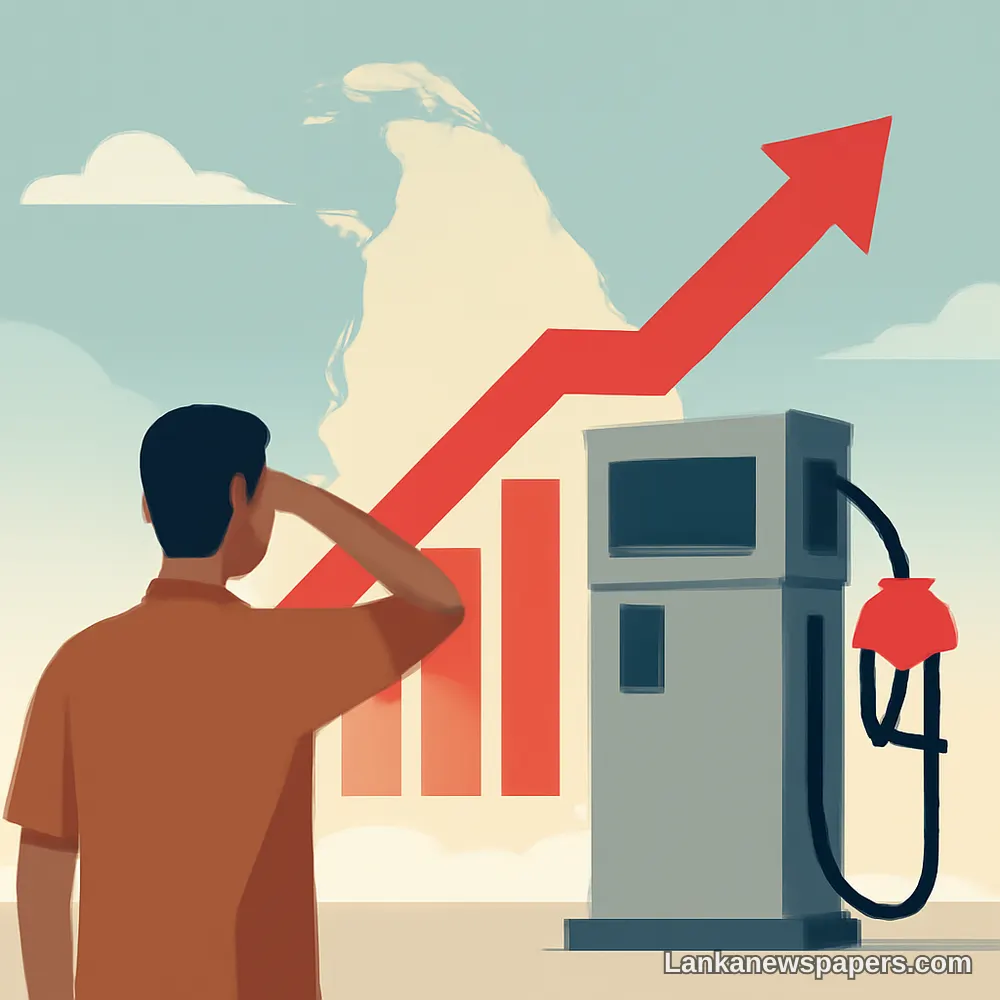
Sri Lanka is grappling with rising fuel costs as strain on global oil markets continues to bear down on the island nation's fragile economy, raising fresh concerns among consumers, businesses, and policymakers alike.
A Burden on an Already Stretched Economy
The surge in fuel prices comes at a particularly difficult time for Sri Lanka, which is still navigating its way through the aftermath of one of the worst economic crises in its modern history. Higher energy costs threaten to reverse hard-won gains in stabilising inflation and restoring public confidence in the country's financial management.
For ordinary Sri Lankans, the increases are being felt at the pump and across the broader cost of living, as transportation and logistics expenses ripple through the prices of essential goods and services.
Global Oil Market Turbulence
The pressure on Sri Lanka's fuel sector is largely being driven by turbulence in international oil markets, where supply constraints and geopolitical tensions have pushed crude prices higher. As a country heavily dependent on fuel imports, Sri Lanka has limited insulation from such external shocks.
The Ceylon Petroleum Corporation and other relevant authorities are under growing scrutiny to manage pricing structures in a way that balances fiscal responsibility with the welfare of the public.
What This Means Going Forward
Economists and energy analysts warn that sustained high fuel costs could undermine Sri Lanka's ongoing economic recovery efforts, potentially affecting:
- Public transport affordability for low and middle-income households
- Operating costs for small and medium-sized enterprises
- Agricultural and fishing sector productivity
- Government subsidy commitments and the national budget
Rising global oil prices present a serious external risk to Sri Lanka's recovery trajectory, particularly as the country works to meet IMF programme targets and restore macroeconomic stability.
As the situation develops, all eyes will be on the government's response — whether authorities opt to absorb costs through subsidies, adjust retail prices, or pursue alternative energy strategies to reduce the country's long-term dependency on imported fuel.


💬 Join the Discussion 4
See what readers are saying — and add your view.
cant even fill the tank without thinking twice now
how are ordinary ppl supposed to manage like this
same story every month, when will goverment actually fix this
they wont, just wait for next price hike announcement