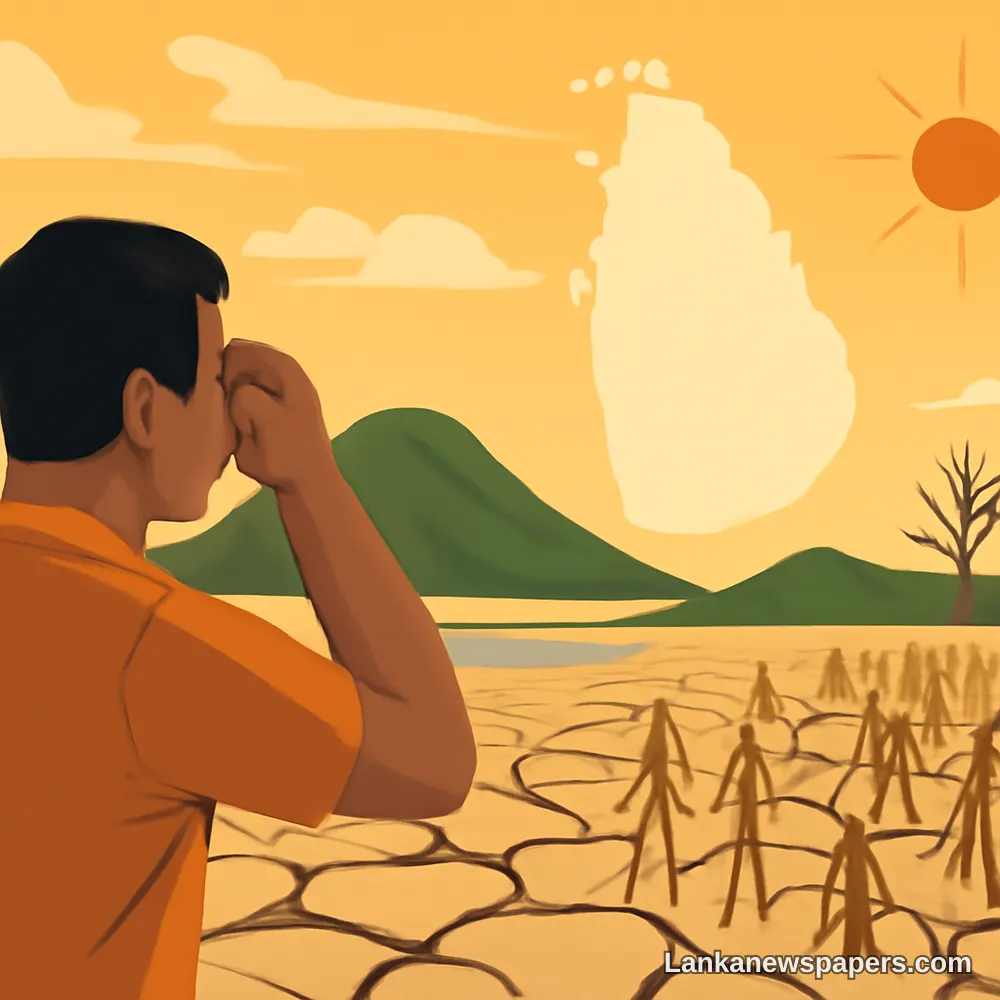
Arid conditions spreading island-wide as meteorologists raise concerns
Sri Lanka is experiencing an intensifying dry spell across multiple regions, with meteorological authorities cautioning that the situation could worsen further in the wake of an El Niño weather pattern warning currently in effect.
The prolonged absence of significant rainfall has begun to affect communities across the island, raising concerns among farmers, water resource managers, and public health officials alike. Reservoirs and agricultural lands in several provinces are already feeling the strain of reduced precipitation levels.
What is El Niño and why does it matter for Sri Lanka?
El Niño is a periodic climate phenomenon characterised by the unusual warming of surface waters in the central and eastern Pacific Ocean. Its effects ripple across global weather systems, and for a tropical island nation like Sri Lanka, the consequences can be particularly severe, including:
- Suppressed monsoon activity and below-average rainfall
- Increased risk of drought conditions in the dry zone
- Disruption to paddy cultivation and other rain-dependent crops
- Strain on drinking water supplies in rural and urban areas
Agriculture and daily life under pressure
Farmers dependent on seasonal rains for their Yala and Maha cultivation cycles face mounting uncertainty as the dry spell prolongs. Water levels in key irrigation tanks and reservoirs, which serve as lifelines for agricultural communities in the North Central and Eastern provinces, have reportedly dropped to concerning levels.
Residents in affected areas have been urged to use water resources prudently and avoid wasteful practices during this critical period.
Authorities urged to act swiftly
Timely intervention by water management authorities and proactive drought preparedness measures will be essential to mitigate the impact on vulnerable communities across the island.
Meteorological experts have called on relevant government agencies to monitor the situation closely and implement contingency plans for water distribution and crop protection. Early warning systems and coordination between the Irrigation Department, the Meteorology Department, and provincial authorities are seen as key to managing the unfolding crisis.
The public is advised to stay updated through official weather advisories as conditions continue to evolve across the country.

💬 Join the Discussion 0
Be the first to share your view on this story.