US Slaps 10% Tariff on Sri Lanka Following Eleventh-Hour Forced Labour Import Ban
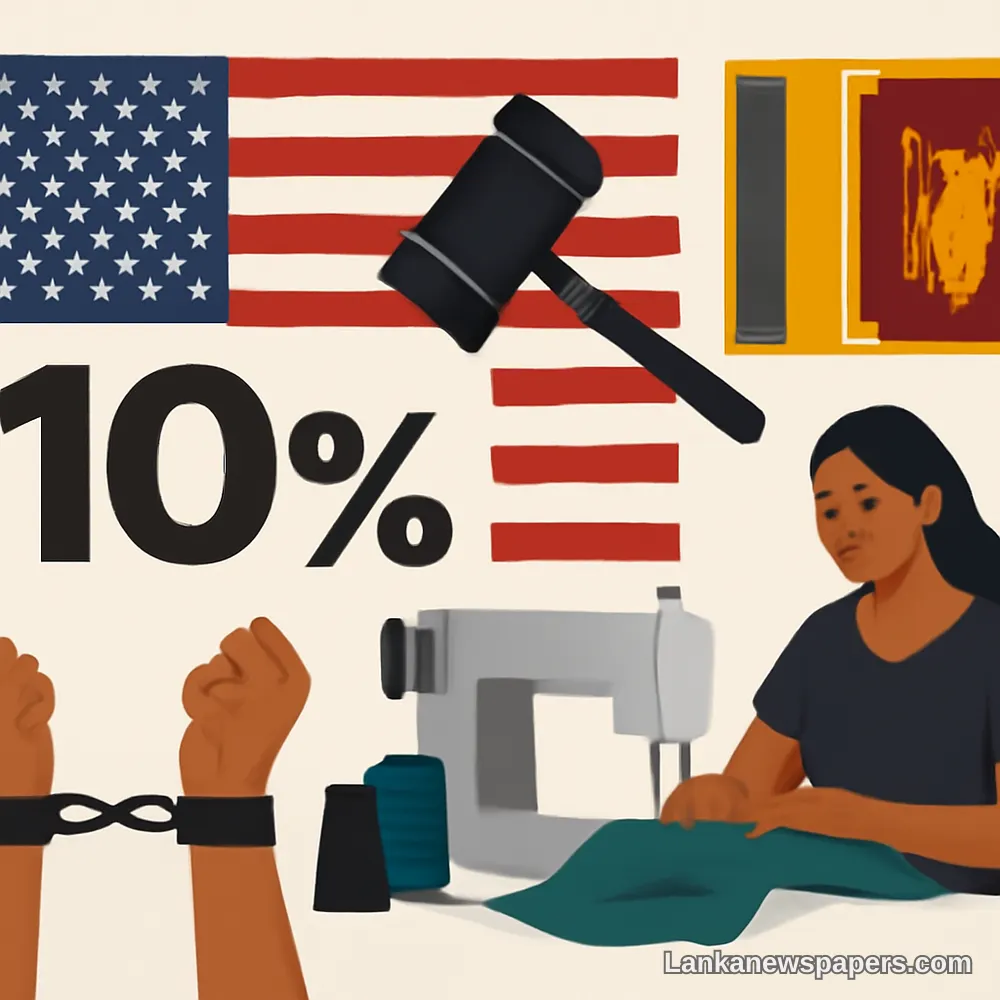
The United States has imposed a 10% tariff on Sri Lankan goods following a last-minute decision to ban imports linked to forced labour, dealing a fresh blow to the island nation's export sector as it continues its fragile economic recovery.
A Late Move With Major Consequences
The tariff, set at 10%, was announced by Washington in the wake of a forced labour import restriction that came into effect with little advance notice, catching Sri Lankan exporters and industry stakeholders off guard. The move has raised serious concerns among local apparel manufacturers, who depend heavily on the American market as a key export destination.
Sri Lanka's garment industry, one of the country's largest foreign exchange earners, now faces the prospect of reduced competitiveness against rival nations that may not be subject to the same trade restrictions.
Apparel Sector Feels the Pressure
The textile and apparel sector has long been the backbone of Sri Lanka's export economy, consistently contributing billions of dollars in annual revenue. Any shift in trade terms with the United States — one of the sector's most significant buyers — carries wide-reaching implications for factories, workers, and the broader economy.
Industry observers warn that even a modest tariff increase can erode profit margins in an already competitive global supply chain environment, potentially leading buyers to shift orders to alternative sourcing destinations.
Forced Labour Concerns Drive Policy Shift
The forced labour ban that triggered the tariff measure reflects a broader push by the United States to align its trade policies with human rights and labour standards. Washington has increasingly deployed trade tools to pressure trading partners on labour compliance issues, and Sri Lanka now finds itself navigating the consequences of that policy direction.
It remains unclear at this stage which specific industries or supply chains were flagged under the forced labour provisions, and Sri Lankan authorities have yet to issue a detailed official response addressing the American government's concerns.
Government and Industry Response Awaited
Sri Lanka's trade and export development authorities are expected to engage with relevant stakeholders to assess the full impact of the tariff and explore possible diplomatic and trade channels to address the situation. Negotiations or clarifications with US trade officials could be a critical next step in protecting the country's export interests.
For a country still working to stabilise its economy following the severe financial crisis of recent years, maintaining strong trade relationships with major partners like the United States is of paramount importance. How Colombo responds to this development in the coming weeks will be closely watched by both local industries and international observers.

💬 Join the Discussion 3
See what readers are saying — and add your view.
10% is not that bad honestly, could have been much worse like other countries got
forced labour ban came at the last minute, goverment always sleeping until deadline
exactly, if they fixed this years ago we wouldnt be in this mess now