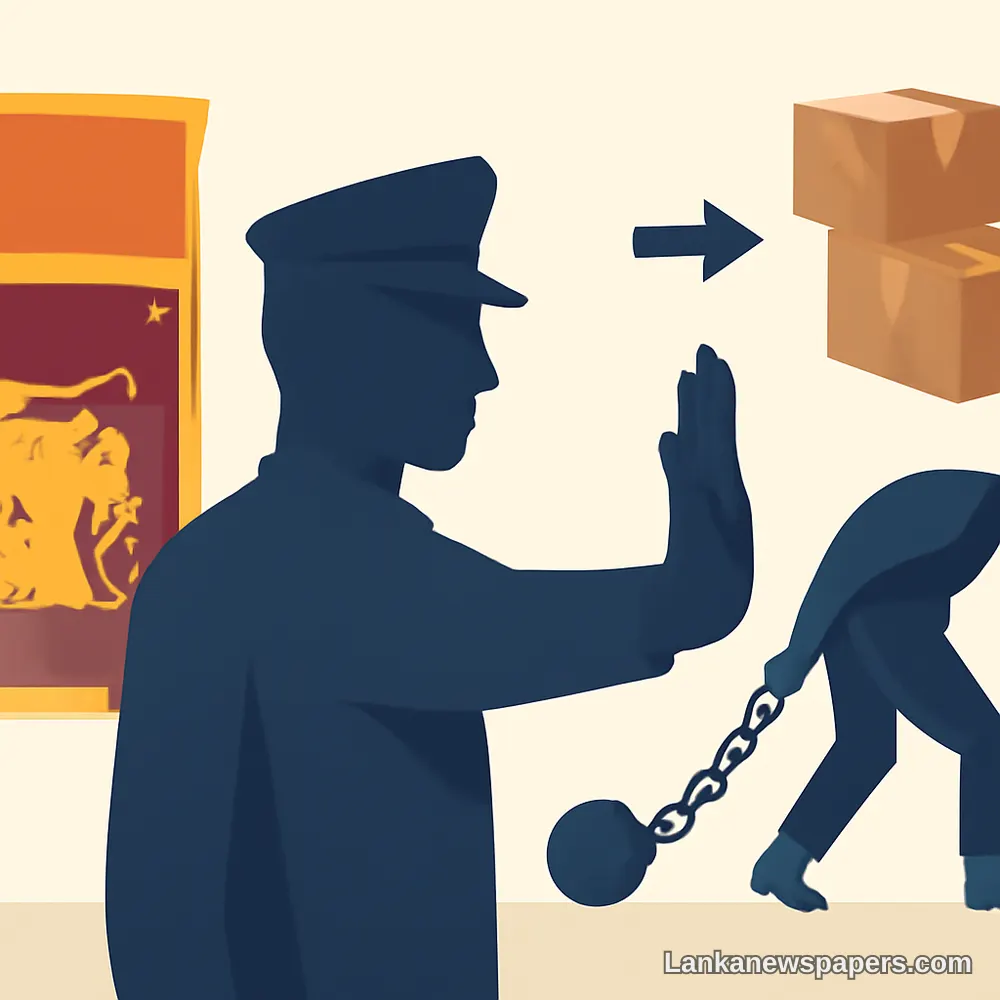
New Import Restrictions Take Effect
Sri Lanka has begun enforcing a prohibition on the importation of goods manufactured using forced labour, marking a significant step in the country's commitment to upholding international human rights and ethical trade standards.
What the Ban Covers
The newly enforced measure targets products that have been produced under conditions of forced or compulsory labour anywhere along the supply chain. Authorities have indicated that goods found to be in violation of this regulation will be barred from entering the country.
Aligning with Global Standards
The move places Sri Lanka alongside a growing number of nations that have introduced legislation to prevent their markets from being used as destinations for goods linked to labour exploitation. Countries such as the United States and members of the European Union have introduced similar frameworks in recent years, reflecting a broader global push for ethically sourced trade.
Implications for Importers and Traders
Businesses engaged in importing goods into Sri Lanka will now be required to ensure greater transparency and accountability within their supply chains. Importers found to be bringing in products manufactured through forced labour risk having their consignments seized or rejected at the border.
- Importers must verify the labour practices of their overseas suppliers
- Documentation and supply chain audits may be required to demonstrate compliance
- Violations could result in goods being turned away at ports of entry
A Statement on Human Rights
Sri Lanka's enforcement of this ban signals a firm stance against the exploitation of workers and a desire to participate responsibly in the global trading system.
Trade analysts have noted that while implementing and monitoring such a ban presents logistical challenges, the policy sends a strong message about Sri Lanka's values as a trading partner. Authorities are expected to work alongside customs officials and relevant regulatory bodies to ensure the measure is effectively applied across all ports of entry.
Further details regarding enforcement mechanisms and the criteria used to identify prohibited goods are anticipated to be released by the relevant government authorities in the coming weeks.

💬 Join the Discussion 1
See what readers are saying — and add your view.
Good step but can they actually enforce this properly? Knowing our goverment...