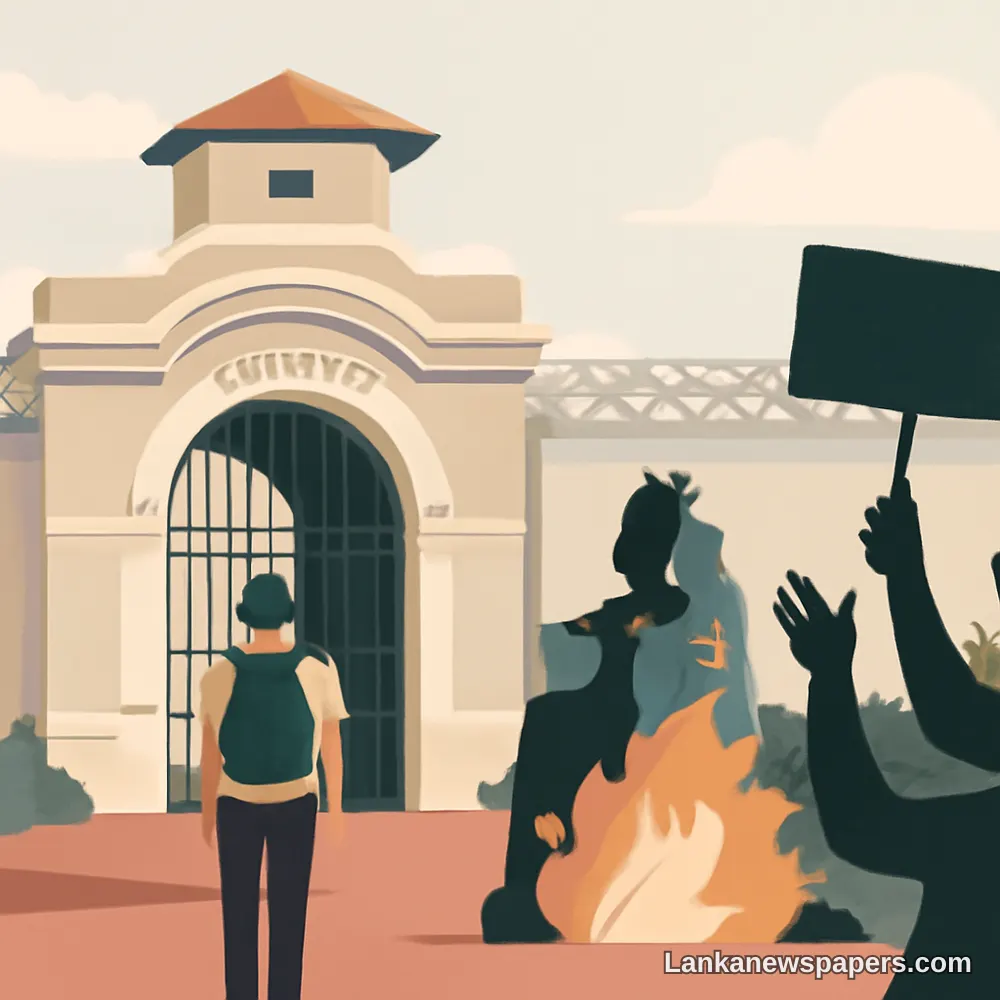
Sri Lanka's historic Welikade Prison in Colombo is set to reopen its doors to tourists, authorities have confirmed, following a deadly riot that had temporarily derailed plans to transform the colonial-era facility into a major tourism destination.
A Prison With a Dark and Storied Past
Welikade Prison, one of Sri Lanka's oldest and most notorious correctional facilities, has long been associated with the island's turbulent history. The prison gained particular infamy during the 1983 communal violence when mass killings of Tamil prisoners took place within its walls. Officials had previously announced plans to repurpose the ageing facility as a heritage tourism site, drawing on its significant historical legacy.
Riot Disrupts Tourism Ambitions
Those plans were thrown into uncertainty following a deadly riot at the prison that resulted in fatalities among the inmate population. The violent incident raised serious questions about the facility's security conditions and the viability of opening such a site to the public in the near term.
Despite the unrest, Sri Lankan authorities have indicated that the tourism-oriented reopening will proceed, signalling the government's commitment to pressing ahead with plans to monetise the country's historical landmarks as part of broader efforts to boost the tourism sector.
Tourism Potential at the Forefront
Sri Lanka has been aggressively expanding its tourism offerings in recent years as the country continues its economic recovery following the devastating 2022 financial crisis. Heritage and cultural sites have been identified as key drawcards for international visitors seeking authentic and historically rich experiences.
Authorities view the repurposing of colonial-era institutions such as Welikade as an opportunity to generate revenue while preserving an important chapter of the nation's history.
Officials have not yet confirmed a specific reopening date or detailed the security measures that will be put in place to ensure visitor safety at the site.
Mixed Reactions Expected
The decision is likely to generate mixed responses among the public. While tourism industry stakeholders may welcome the move as a creative step towards diversifying the country's attractions, human rights advocates and families affected by the prison's violent past may raise concerns about the appropriateness of commercialising such a sensitive location.
Further details on the scope of the tourism project, including guided tour arrangements and heritage interpretation plans, are expected to be announced by the relevant authorities in the coming weeks.


💬 Join the Discussion 4
See what readers are saying — and add your view.
at least fix the conditions inside first before worrying about tourists no
actually can bring good money, old prisons are popular tourist spots worldwide
ppl just died there and now they want tourists? goverment have no shame
exactly, like its some theme park or what