For generations, Sri Lanka has proudly carried the title of the "Pearl of the Indian Ocean" — a breathtaking tropical destination celebrated worldwide for its natural beauty, rich culture, and warm hospitality. Yet beneath that gleaming image, a deeply troubling picture is beginning to take shape.
A New and Alarming Threat
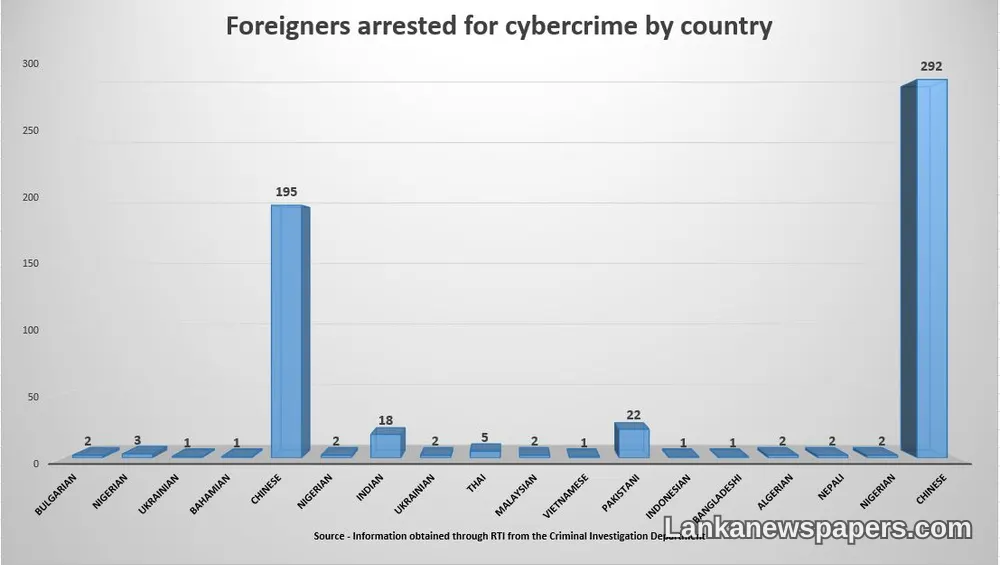
Emerging evidence and recent revelations are raising urgent questions about whether Sri Lanka is being quietly targeted as an operational base for Chinese cybercriminal networks. Security analysts and law enforcement observers have begun flagging a disturbing pattern that could have serious consequences for the island nation's reputation, sovereignty, and digital safety.
The concern centres on organised cybercrime syndicates — many with reported links to Chinese criminal networks — allegedly seeking to exploit Sri Lanka's infrastructure, economic vulnerabilities, and relatively nascent digital regulatory framework to conduct large-scale online fraud, scam operations, and other illicit cyber activities.
Why Sri Lanka?
Experts point to several factors that may make Sri Lanka an attractive target for such operations:
- An ongoing economic crisis that has left certain institutions and individuals more susceptible to corruption and exploitation
- Gaps in cybercrime legislation and digital enforcement capacity
- Expanding internet infrastructure that can be misused if left inadequately monitored
- Geographic positioning within a strategically important region
Regional Precedents Raise Red Flags
Sri Lanka is not alone in facing this threat. Neighbouring countries across Southeast and South Asia have already experienced the devastating consequences of allowing such criminal enterprises to take root. Nations including Myanmar, Cambodia, and Laos have seen entire compounds established under the guise of legitimate businesses, only to be exposed as large-scale cyber scam centres where trafficked individuals are forced to carry out online fraud targeting victims globally.
The fear among observers is that, without swift and decisive action, Sri Lanka could be drawn into a similar trajectory — transitioning from a tourist paradise into what some are grimly describing as a potential "digital workspace" for organised cybercriminals.
Calls for Urgent Action
Security professionals and civil society voices are calling on Sri Lankan authorities to treat this emerging threat with the seriousness it demands. Strengthening cybercrime laws, enhancing coordination with international law enforcement agencies, and increasing scrutiny of foreign business operations on the island are among the measures being recommended.
There are also calls for greater public awareness, particularly as cybercrime increasingly touches the lives of ordinary Sri Lankans through online scams, identity theft, and financial fraud.
Protecting the Pearl
Sri Lanka has worked hard over decades to rebuild its image and attract investment and tourism. Allowing the country to become a haven — even inadvertently — for transnational cybercrime would inflict lasting damage on that hard-won standing in the international community.
For a nation still navigating the road to economic recovery, the stakes could not be higher. Authorities, policymakers, and the public alike must remain vigilant if Sri Lanka is to protect both its citizens and its reputation from this growing digital menace.



💬 Join the Discussion 0
Be the first to share your view on this story.