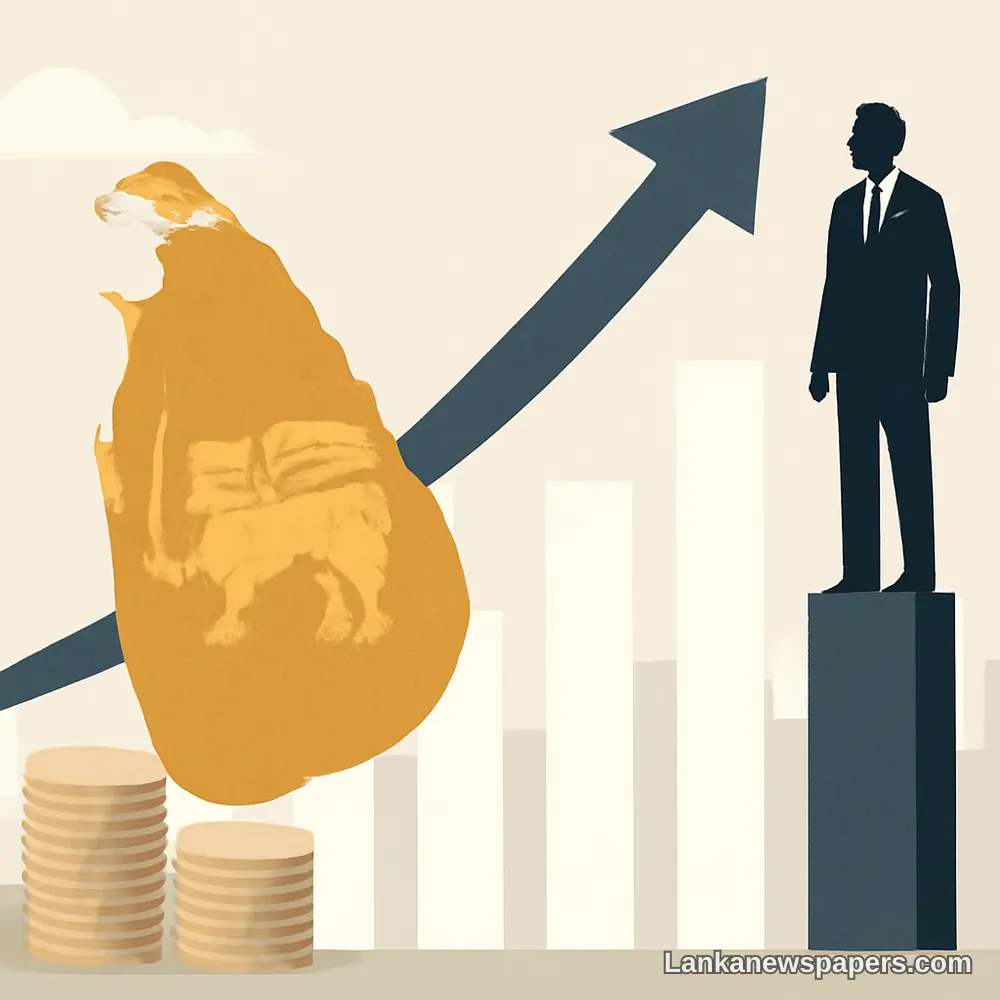
A Significant Step in Sri Lanka's Economic Recovery
Sri Lanka has regained its upper-middle income economy status, marking a pivotal moment in the island nation's ongoing journey to recover from one of the most severe economic crises in its post-independence history.
What the Classification Means
The upper-middle income designation is assigned by the World Bank based on a country's gross national income per capita. Regaining this status signals that Sri Lanka's key economic indicators have improved sufficiently to lift it back into a higher tier of global economic classification, a standing the country had lost during the depths of its financial collapse.
Context: The Road Back from Crisis
Sri Lanka plunged into an unprecedented economic crisis in 2022, characterised by crippling foreign exchange shortages, soaring inflation, widespread fuel and medicine scarcities, and lengthy daily power cuts. The country was forced to default on its foreign debt and seek an International Monetary Fund bailout programme to stabilise its finances.
Since then, successive governments have undertaken painful but necessary fiscal reforms, including tax increases, subsidy restructuring, and tight monetary policy measures, all aimed at restoring macroeconomic stability and rebuilding depleted foreign reserves.
A Symbol of Renewed Confidence
Economists and policy analysts are likely to view this reclassification as an important confidence signal, both for domestic stakeholders and international investors considering re-engagement with the Sri Lankan market. It also reflects the tangible, if still fragile, progress the country has made under its IMF-supported recovery programme.
However, analysts caution that regaining the upper-middle income label does not mean the hardship experienced by ordinary Sri Lankans has fully subsided. The cost of living remains high for many households, and sustained structural reforms will be essential to ensure that economic gains are broad-based and durable.
Looking Ahead
For Sri Lanka, this milestone represents not an endpoint but a renewed starting point. Policymakers will need to maintain fiscal discipline, accelerate debt restructuring efforts, and create conditions for private sector-led growth if the country is to consolidate this status and build upon it in the years ahead.

💬 Join the Discussion 4
See what readers are saying — and add your view.
hopefully this means forex situation improves and imports get normal again
credit to the goverment or IMF? lets be honest here
on paper looks good but my salary still the same no?
exactly, cost of living still killing us bro