Sri Lanka Joins Vietnam and Philippines in World Bank Upper-Middle-Income Club — What Got Them There
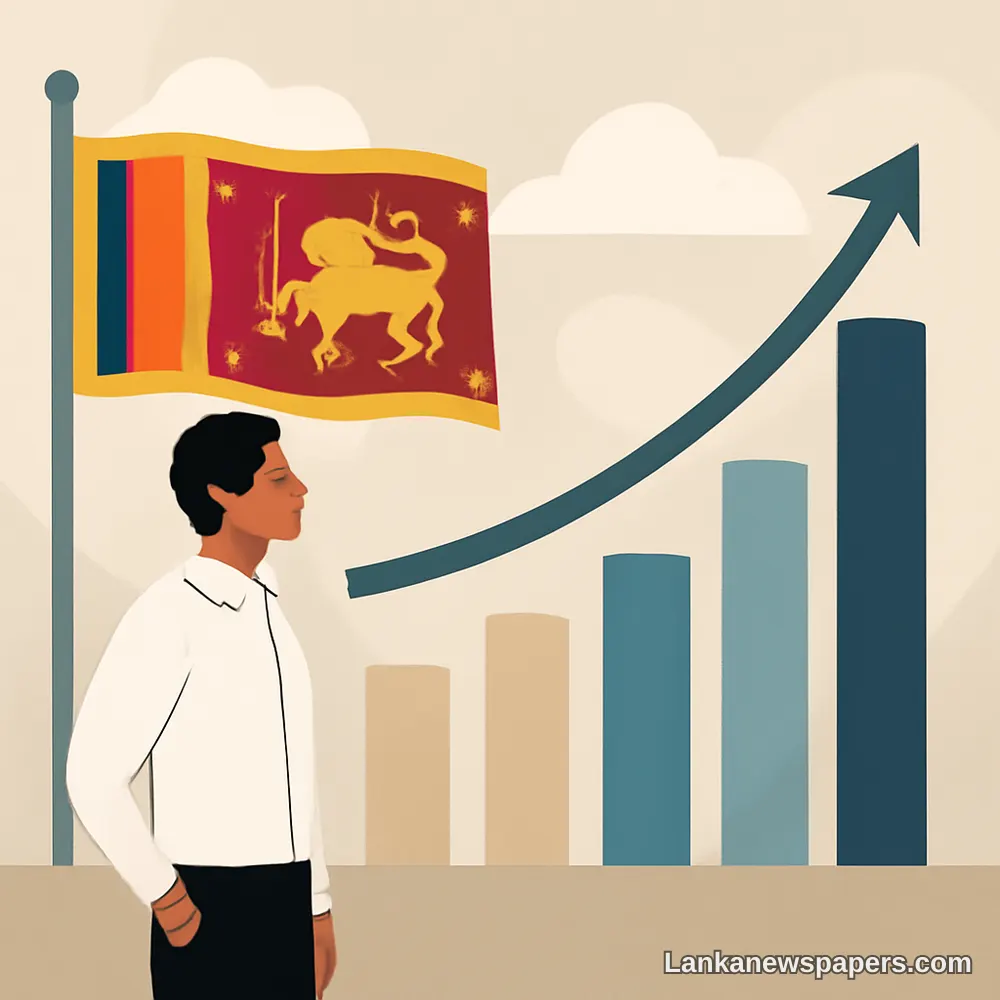
Sri Lanka has achieved a significant economic milestone, joining Vietnam and the Philippines in being classified as an upper-middle-income country by the World Bank — a designation that signals meaningful progress in national development and living standards.
What the Classification Means
The World Bank categorises countries based on Gross National Income (GNI) per capita. An upper-middle-income status applies to nations with a GNI per capita between approximately $4,516 and $14,005. Moving into this bracket reflects sustained improvements in economic output, household incomes, and overall productivity across a nation.
Sri Lanka's Path to the Upgrade
Sri Lanka's reclassification is particularly noteworthy given the country's recent history. The island nation endured a severe economic crisis in 2022, which saw foreign exchange reserves collapse, fuel and medicine shortages grip the population, and the government default on its external debt for the first time in history. The upgrade represents a remarkable — if cautious — turnaround driven by stabilisation efforts, IMF-backed reforms, and a gradual recovery in key sectors including tourism and remittances.
How Vietnam and the Philippines Made the Grade
Vietnam's ascent to upper-middle-income status has been widely attributed to its robust manufacturing sector, which attracted significant foreign direct investment, particularly in electronics and textiles. Consistent export growth and strategic integration into global supply chains helped the country sustain high GDP growth rates over several decades.
The Philippines, meanwhile, benefited from a resilient services sector — most notably business process outsourcing — along with strong remittance inflows from its large overseas workforce. Consumer-driven domestic growth also played a substantial role in lifting per capita income levels over time.
Shared Factors Behind the Rise
While each country followed its own distinct economic path, several common threads helped all three cross the threshold:
- Sustained macroeconomic reforms and fiscal discipline
- Growth in export-oriented industries and services
- Significant inflows of foreign remittances and investment
- Improvements in human capital development and infrastructure
- Engagement with international financial institutions for structural support
What This Means for Sri Lanka Going Forward
For Sri Lanka, the reclassification carries both symbolic and practical weight. Upper-middle-income status can influence the terms under which a country accesses concessional loans and development financing, meaning Colombo may need to navigate a shift in the nature of international financial assistance available to it.
Analysts caution that while the World Bank upgrade is an encouraging signal, Sri Lanka's economic recovery remains fragile and the country must sustain reform momentum to consolidate and build upon these gains.
With debt restructuring negotiations still ongoing and the cost of living continuing to weigh heavily on ordinary Sri Lankans, policymakers face the challenge of ensuring that the statistical milestone translates into tangible improvements in the daily lives of citizens across the country.

💬 Join the Discussion 3
See what readers are saying — and add your view.
how did vietnam do it so fast? we should copy their model honestly
finally some good news after all the 2022 mess we went through
title only la, cost of living still killing us on the ground