
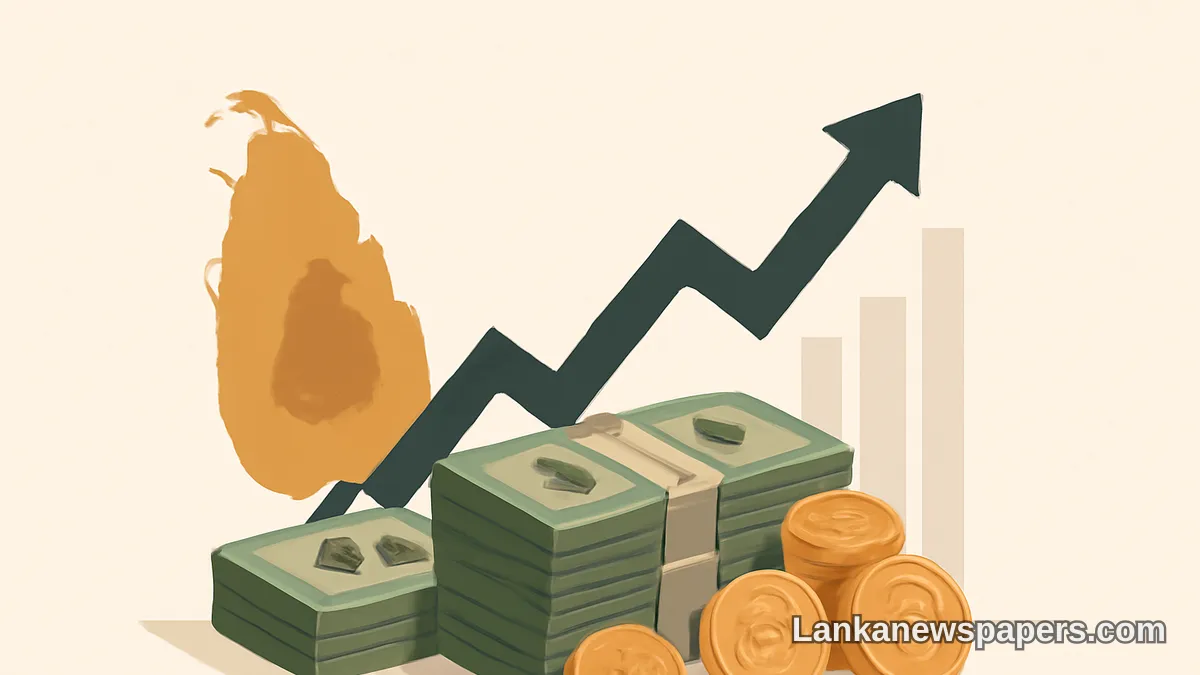
Sri Lanka has regained its classification as an upper-middle-income country, marking a significant turning point in the island nation's economic recovery following one of the most severe financial crises in its history.
The reclassification represents a major symbolic and practical milestone for Sri Lanka, which had slipped into lower-middle-income status amid the devastating economic collapse that gripped the country in 2022. That crisis saw the nation default on its foreign debt for the first time, face crippling shortages of fuel, medicine and essential goods, and witness widespread public unrest that ultimately led to a change in government.
A Hard-Won Recovery
The return to upper-middle-income classification is a testament to the stabilisation efforts undertaken by Sri Lankan authorities in partnership with the International Monetary Fund, whose bailout programme has been central to restoring macroeconomic order. Successive governments have implemented difficult but necessary fiscal reforms, including tax increases and subsidy cuts, aimed at rebuilding state finances and restoring creditor confidence.
Income classifications are determined by the World Bank based on a country's Gross National Income per capita. Regaining the upper-middle-income threshold signals that average income levels have recovered sufficiently to cross the benchmark set by the international body.
What This Means for Sri Lankans
While the reclassification is an encouraging indicator of progress, economists caution that the benefits of recovery have not yet been felt evenly across the population. Many Sri Lankan households continue to face elevated living costs, and the road to full economic normalcy remains long.
- Sri Lanka defaulted on its external debt in 2022 for the first time in its history
- An IMF-backed reform programme has been instrumental in stabilising the economy
- The World Bank determines income classifications using Gross National Income per capita data
- The country had previously held upper-middle-income status before the economic crisis
Nevertheless, the development is expected to improve Sri Lanka's standing in international financial markets and could positively influence the terms under which the country accesses future borrowing. It also carries reputational weight, signalling to investors and development partners that the nation is back on a credible growth trajectory.
Cautious Optimism
The reclassification is an important recognition of the progress Sri Lanka has made, but sustained reforms and inclusive growth remain essential to ensuring that this recovery is durable and reaches all segments of society.
As Sri Lanka continues to navigate its debt restructuring process and work towards restoring full economic stability, the return to upper-middle-income status offers a moment of cautious but genuine optimism — both for policymakers and for ordinary citizens who have endured years of hardship.
💬 Join the Discussion 4
See what readers are saying — and add your view.
goverment will use this to borrow more money again, watch
what does upper middle income even mean for us common ppl
finally some good news after all that suffering men
good news on paper only, my salary still same as 2022