Sri Lanka's Monthly Fuel Import Bill Surges to US$536 Million in May, Doubling Previous Month's Expenditure
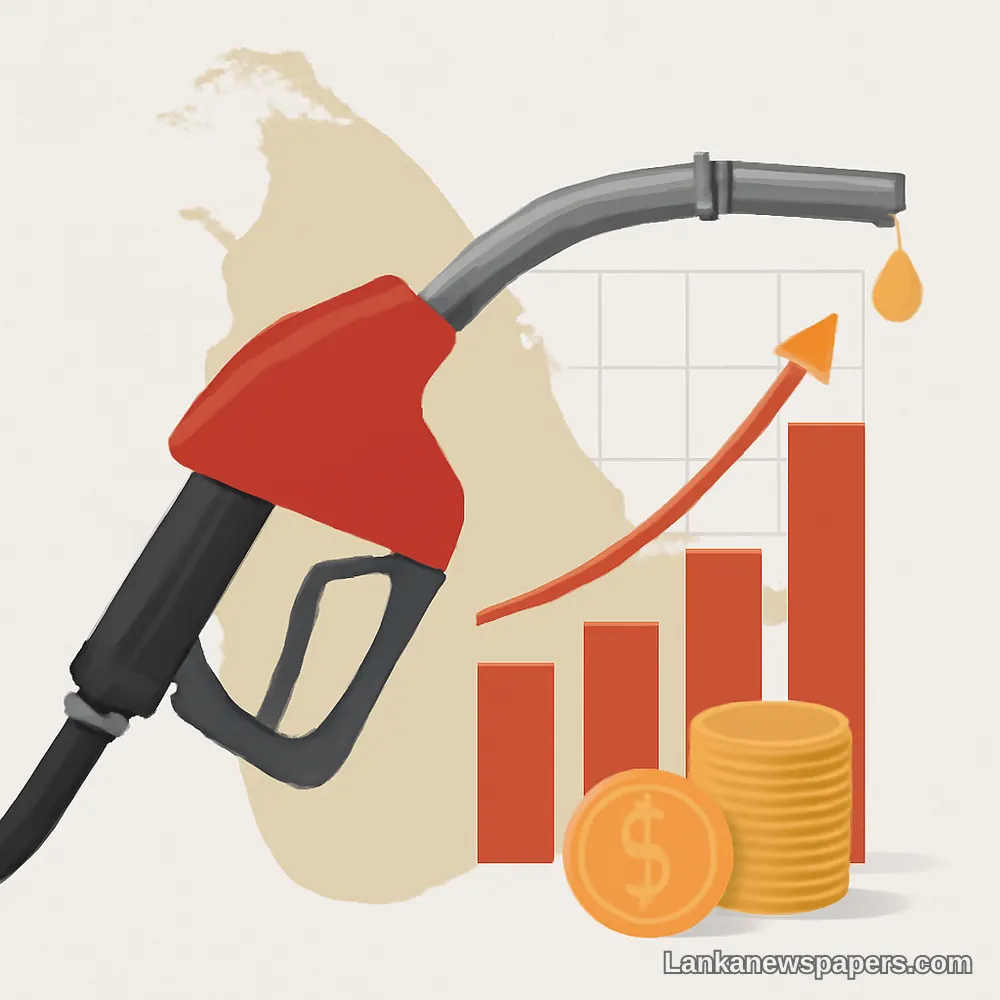
Sri Lanka's fuel import costs skyrocketed in May, with the island nation's monthly bill reaching US$536 million — a dramatic doubling compared to the previous month — underscoring the immense pressure the country's foreign exchange reserves continue to face.
Sharp Rise in Energy Import Costs
The significant spike in fuel expenditure highlights the ongoing vulnerability of Sri Lanka's economy to global energy prices and the country's heavy reliance on imported petroleum products. The sharp increase from the prior month's figure represents one of the steepest monthly rises in the country's recent fuel import history.
Sri Lanka depends almost entirely on imported fuel to meet its energy needs, covering everything from electricity generation to transportation and industrial activity. Any surge in global oil prices or a rise in domestic demand can rapidly translate into a heavier burden on the country's balance of payments.
Strain on Foreign Exchange Reserves
The ballooning fuel bill comes at a particularly sensitive time for Sri Lanka, which is still navigating its way through a severe economic crisis that has depleted foreign reserves and led to an International Monetary Fund bailout programme. A monthly outflow of over half a billion US dollars on fuel alone places considerable strain on the country's ability to manage its external finances.
Economists and policymakers have repeatedly warned that without structural reforms to reduce energy dependency and improve foreign exchange earnings, Sri Lanka remains exposed to similar shocks in the future.
Implications for Economic Recovery
As the government works to stabilise the economy and rebuild confidence among international creditors and investors, large and unpredictable import bills such as this month's fuel expenditure complicate fiscal planning and debt restructuring efforts.
Authorities are expected to closely monitor energy import trends in the coming months, with any further escalation in global crude prices likely to add renewed pressure on the rupee and the country's fragile external sector.
The May fuel import figure serves as a stark reminder of the structural challenges Sri Lanka must address as it seeks a durable path to economic recovery and long-term stability.



💬 Join the Discussion 2
See what readers are saying — and add your view.
doubling in one month? where is all this money coming from
IMF loan thambe, we are borrowing to buy fuel basically