IMF Cautions Sri Lanka: Reform Discipline Must Continue as Recovery Remains Fragile
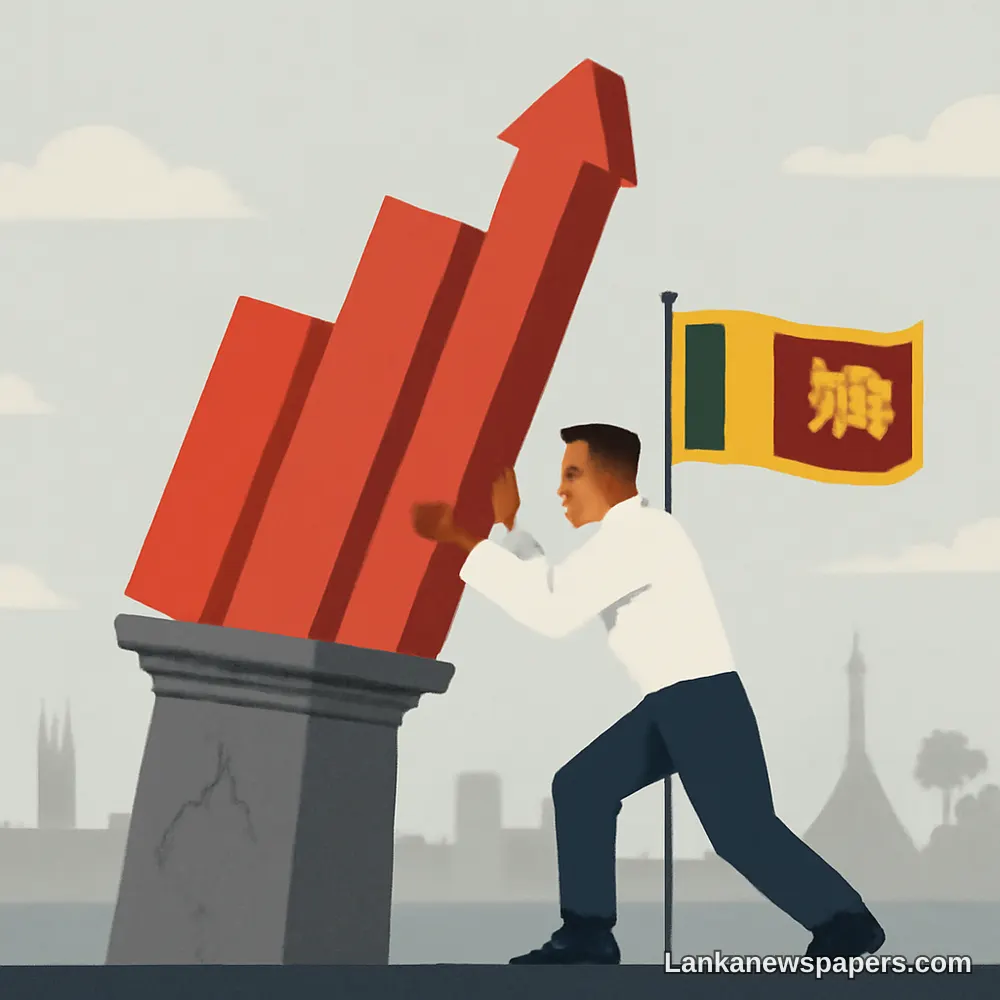
Sri Lanka's hard-fought economic recovery is entering a critical new phase, with the International Monetary Fund making it unambiguously clear that there is no room for complacency — and certainly no room to ease up on the fiscal and structural reforms that have brought the country this far.
Mission Team Delivers Sobering Assessment
An IMF mission team recently concluded a visit to Colombo as part of ongoing monitoring under the country's bailout programme. The message delivered to Sri Lankan authorities was direct: the progress made through years of painful austerity and reform must not be taken for granted, and the discipline that underpinned the recovery must be maintained without relaxation.
The Fund's assessment signals that while Sri Lanka has demonstrated meaningful economic stabilisation since the depths of its 2022 financial crisis — which saw the country default on its foreign debt, endure crippling fuel and medicine shortages, and suffer severe social hardship — the road ahead remains delicate and unforgiving.
No Space for Loosening the Belt
According to the IMF's position, Sri Lanka does not yet have the economic buffers or institutional resilience to afford any significant loosening of its fiscal stance. Revenue collection targets, public expenditure controls, and structural reforms to state-owned enterprises must remain firmly on track if the recovery is to be sustained and external confidence is to be preserved.
The warning carries particular weight at a time when Sri Lanka is navigating a complex political transition, with a new administration in office and public expectations running high for economic relief after years of hardship endured by ordinary citizens.
Balancing Public Expectations Against Fiscal Reality
Therein lies the central tension facing policymakers in Colombo. The government is under genuine pressure to demonstrate tangible improvements in living standards — reducing the cost of living, restoring public services, and creating employment — while simultaneously honouring the commitments made under the IMF programme that have been instrumental in stabilising the rupee, rebuilding foreign reserves, and restoring access to international financing.
Any perception that Sri Lanka is retreating from its reform commitments risks undermining investor confidence and jeopardising the continued disbursement of IMF funds, which remain a cornerstone of the country's financial stability.
A Recovery Built on Sacrifice
It is worth remembering what it took to get here. Sri Lanka's economic collapse in 2022 was the worst the island nation had experienced in over seven decades of independence. Foreign exchange reserves were virtually exhausted, inflation soared to historic highs, and millions of families were pushed into deeper poverty. The reforms implemented since then — including steep tax increases, energy pricing adjustments, and cuts to government spending — have been deeply unpopular but undeniably necessary.
The IMF's latest message is, in essence, a reminder that the sacrifices of recent years will only translate into lasting stability if the country sees the process through to completion rather than declaring victory prematurely.
What Comes Next
Sri Lanka's continued engagement with the IMF programme will be watched closely by creditors, trading partners, and rating agencies alike. The country is still in the process of finalising its broader debt restructuring arrangements, and any wavering on reform commitments could complicate those negotiations considerably.
For the government, the challenge is one of political communication as much as economic management — explaining to a weary public why continued discipline today is the surest path to genuine and durable recovery tomorrow.
The IMF has not closed the door on Sri Lanka's progress; on the contrary, the very fact that the Fund continues to engage actively reflects recognition of the efforts made. But the institution's message is clear: the hardest part of a recovery is often not the initial stabilisation, but the sustained commitment required to make it permanent.


💬 Join the Discussion 3
See what readers are saying — and add your view.
IMF is not wrong honestly we cant mess this up again
discipline means what exactly? same ppl suffering while politicians enjoy
exactly no one asking them to sacrifice anything no