CPC's Marginal Fuel Price Cuts Fail to Satisfy Consumers Amid Low Global Oil Prices
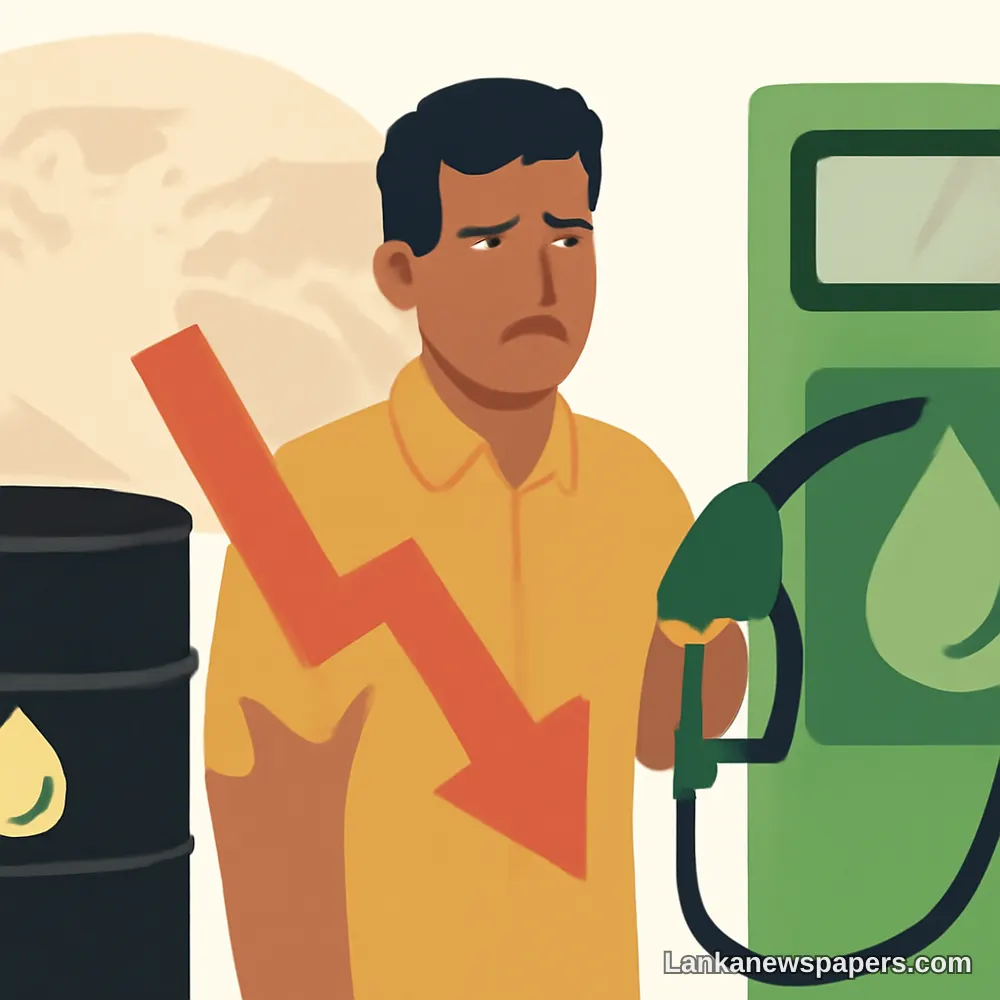
The Ceylon Petroleum Corporation (CPC) has announced modest reductions in fuel prices, cutting the cost of 92 Octane petrol by Rs. 20 per litre and auto diesel by Rs. 25 per litre. However, the adjustments have drawn sharp criticism from consumers and industry observers who argue the cuts fall far short of what global market conditions warrant.
Minimal Relief Against a Backdrop of Falling Global Prices
Global crude oil prices have been trading at relatively subdued levels, with West Texas Intermediate (WTI) hovering around USD 70 per barrel and Brent crude near USD 73 per barrel. For many fuel consumers across Sri Lanka, these international figures make the CPC's marginal price reductions difficult to accept as a fair reflection of the prevailing market reality.
Motorists, transport operators, and small business owners have voiced frustration, questioning why pump prices in Sri Lanka have not been reduced more substantially given the significant decline in global oil costs compared to the peaks seen in recent years.
Consumers Demand Greater Transparency
A growing chorus of consumers is calling on the CPC and relevant government authorities to provide a clear and transparent breakdown of how domestic fuel prices are calculated. Many believe that taxes, levies, and operational inefficiencies within the state energy sector are preventing ordinary Sri Lankans from benefiting meaningfully from lower global oil prices.
- 92 Octane petrol price reduced by Rs. 20 per litre
- Auto diesel price reduced by Rs. 25 per litre
- Global WTI crude trading near USD 70 per barrel
- Global Brent crude trading near USD 73 per barrel
Consumers and trade groups maintain that the current global oil price environment should have enabled the CPC to deliver far more substantial relief at the pump.
Pressure Mounts on State Energy Body
The CPC, which holds a dominant position in Sri Lanka's fuel supply chain, has faced persistent scrutiny over its pricing mechanisms and financial management. Critics argue that the state corporation's structural costs and debt obligations continue to be passed on to end consumers, even when international conditions are favourable.
With the cost of living remaining a pressing concern for households nationwide, the debate over fuel pricing is expected to intensify in the weeks ahead, with consumer advocacy groups likely to push for a formal review of the pricing formula used by the CPC.



💬 Join the Discussion 1
See what readers are saying — and add your view.
Rs.20 cut only? global oil at 70 dollars and this is what we get