Sri Lanka and Thailand Break Through on Long-Awaited Free Trade Agreement
Landmark Deal Marks a New Chapter in Bilateral Trade Relations
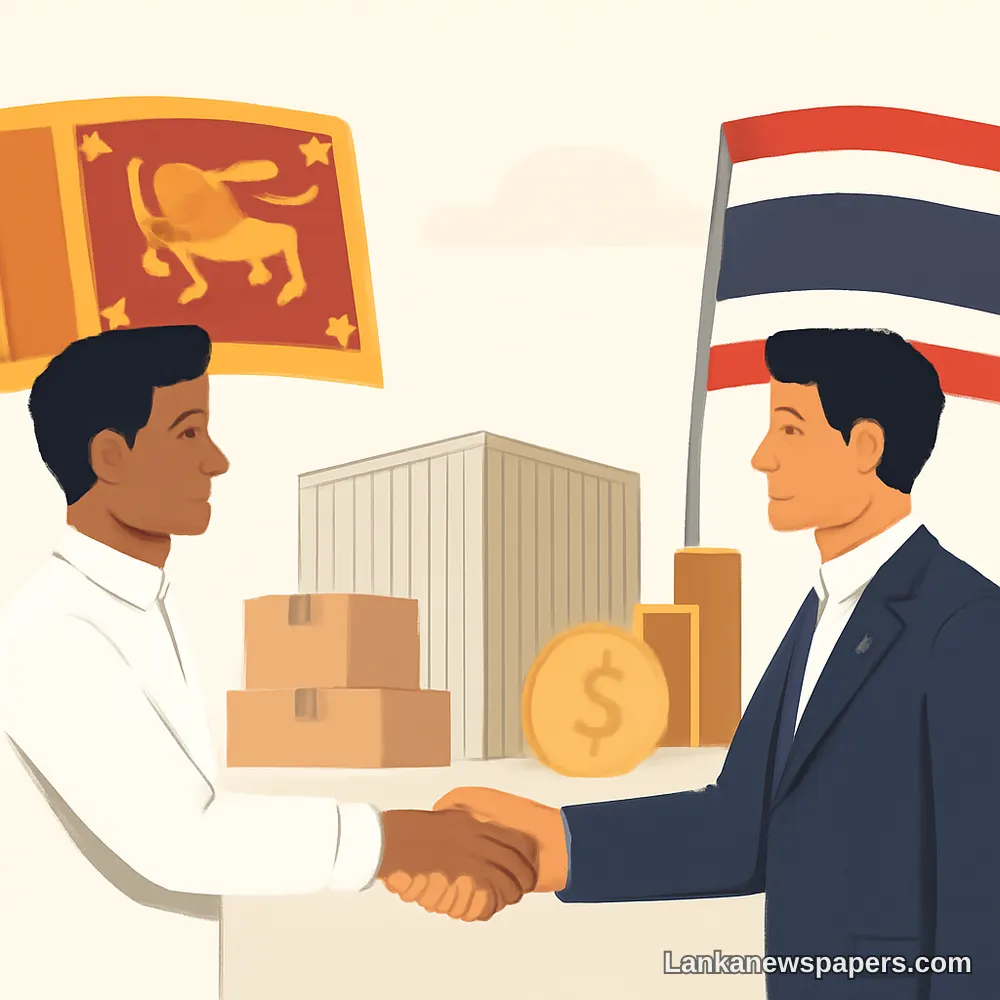
Sri Lanka and Thailand have finally brought their long-anticipated Free Trade Agreement (FTA) to fruition, marking a significant milestone in the economic relationship between the two Asian nations. The agreement, which has been in the making for a considerable period, is expected to open new doors for trade and investment between Colombo and Bangkok.
A Deal Years in the Making
Negotiations between Sri Lanka and Thailand on a bilateral free trade framework have stretched over an extended period, with both sides working through complex discussions covering tariffs, trade in goods, and broader economic cooperation. The finalisation of the agreement signals a renewed commitment by Sri Lanka to strengthen its trade ties within the Asian region at a time when the island nation is actively seeking economic partnerships to support its recovery.
What the Agreement Means for Sri Lanka
For Sri Lanka, the FTA with Thailand represents a strategic opportunity to expand its export base and attract greater foreign investment. Among the potential benefits expected from the agreement are:
- Reduced or eliminated tariff barriers on Sri Lankan goods entering the Thai market
- Increased access for Sri Lankan exporters across key sectors including apparel, tea, and rubber-based products
- Greater opportunities for Thai investment flowing into Sri Lanka
- Strengthened supply chain linkages between the two economies
Broader Regional Significance
The agreement also carries broader strategic importance, as Sri Lanka looks to deepen its integration with Southeast Asian economies. Thailand, as one of the leading economies within the Association of Southeast Asian Nations (ASEAN), serves as a critical gateway for Sri Lanka to expand its commercial footprint in the wider Southeast Asian marketplace.
Trade analysts have noted that formalising this agreement could serve as a springboard for Sri Lanka to pursue further FTAs with other ASEAN member states, bolstering the country's long-term economic resilience and export competitiveness.
Government's Push for Economic Partnerships
The conclusion of the Sri Lanka–Thailand FTA aligns with the current government's broader strategy of revitalising the economy through international trade agreements and investment promotion. Officials have emphasised that expanding trade partnerships remains a key pillar of Sri Lanka's economic recovery roadmap following the severe financial crisis the country endured in recent years.
Further details regarding the implementation timeline, specific tariff schedules, and sector-by-sector provisions of the agreement are expected to be made public in the coming weeks as both governments move towards formal ratification procedures.


💬 Join the Discussion 0
Be the first to share your view on this story.